
If you listen to the Consumer Guide Car Stuff Podcast, you know about our first rule of marketing: Never brand something that sucks. This rule applies specifically to Volkswagen’s Cariad division, which probably didn’t need a trademarked name, and has been nothing but an embarrassment for the company. So much so, that VW has been forced to license electric-car software architecture from Chinese companies.
What is Hybrid Max?
On the other hand, branding a feature or technology that represents demonstrable customer value can work wonders for a carmaker—or really any product or service retailer.
Branded Engines
In the car world, branding engines and engine technology is not uncommon. A few examples include Hemi (Jeep and Ram), EcoBoost (Ford), and VC-Turbo (Nissan). Of these, Hemi is probably the best known brand, while the VC-Turbo represents the most-specific—and far reaching—application of technology.
For Toyota, naming engines isn’t exactly a habit, but the maker has occasionally seen fit to baptize a powerplant with a formal moniker. A few examples:
- Valvematic (used outside the U.S.)
- i-Force (applied mostly to the maker’s now retired 5.7-liter V8)
- i-Force Max (now found in Toyota trucks)
- Hybrid Max (premium engine found in a number of Toyota and Lexus models)
The Hybrid Max is among the maker’s newest branded powerplants, and it plays an interesting role in both the Toyota and Lexus lineups as a premium engine that is also efficient.
Hybrid Max Basics
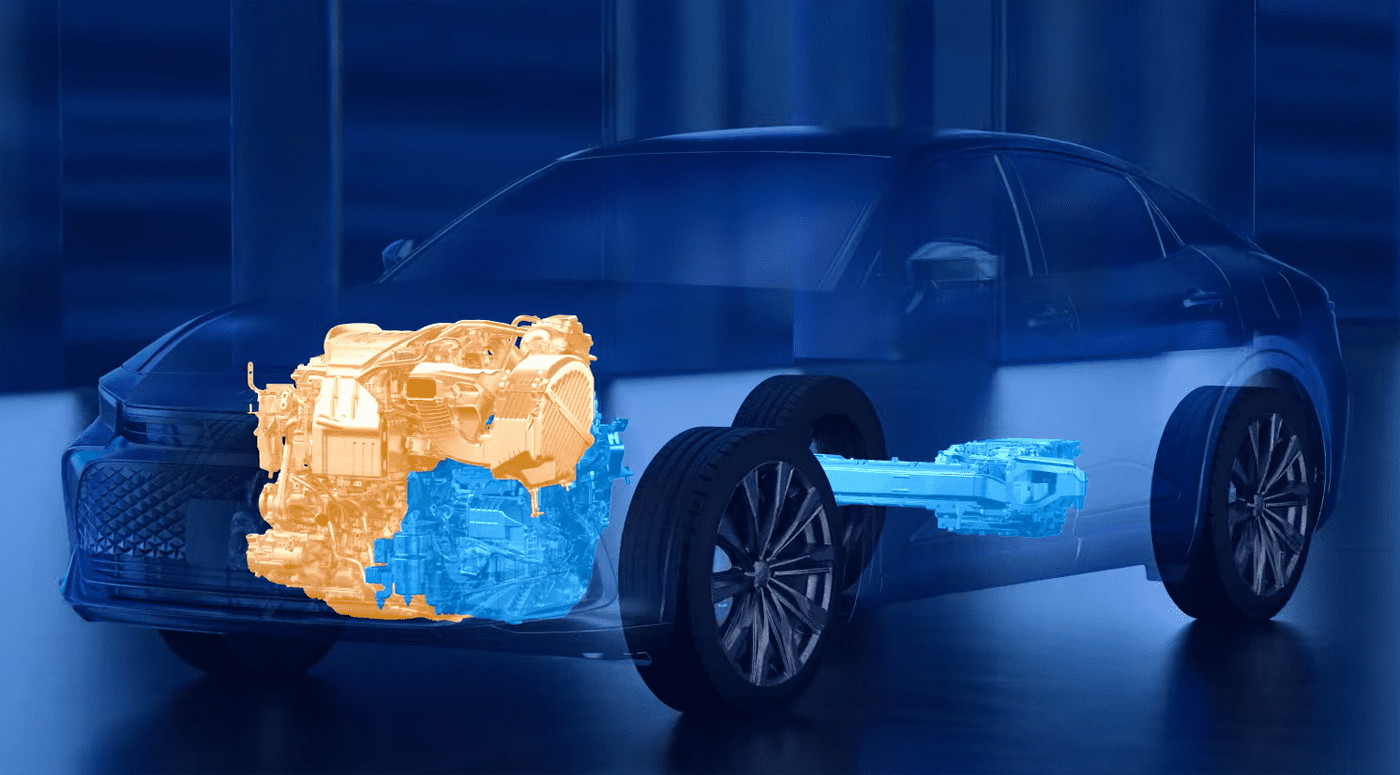
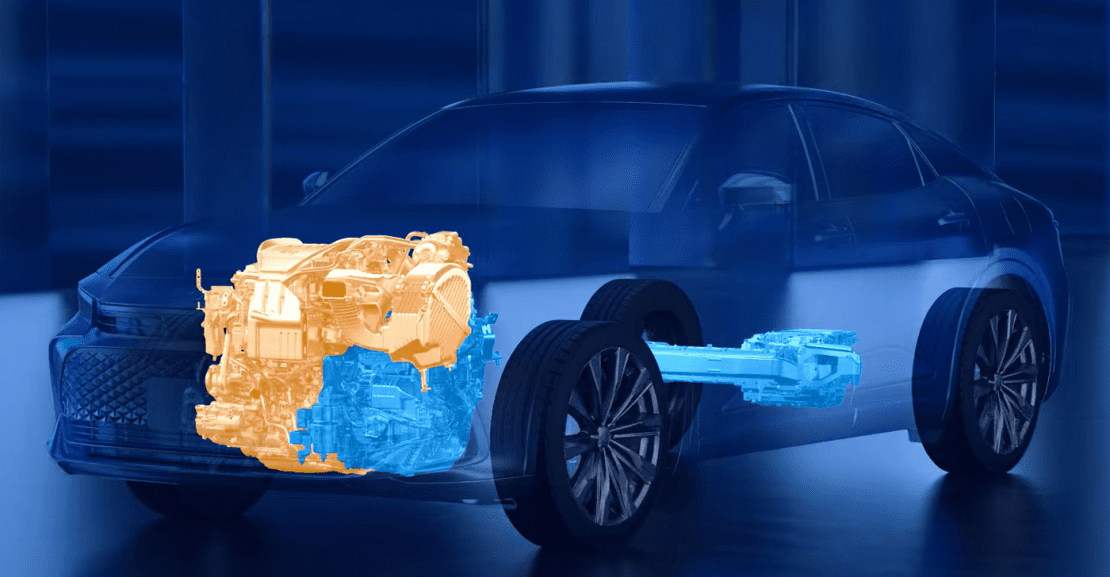
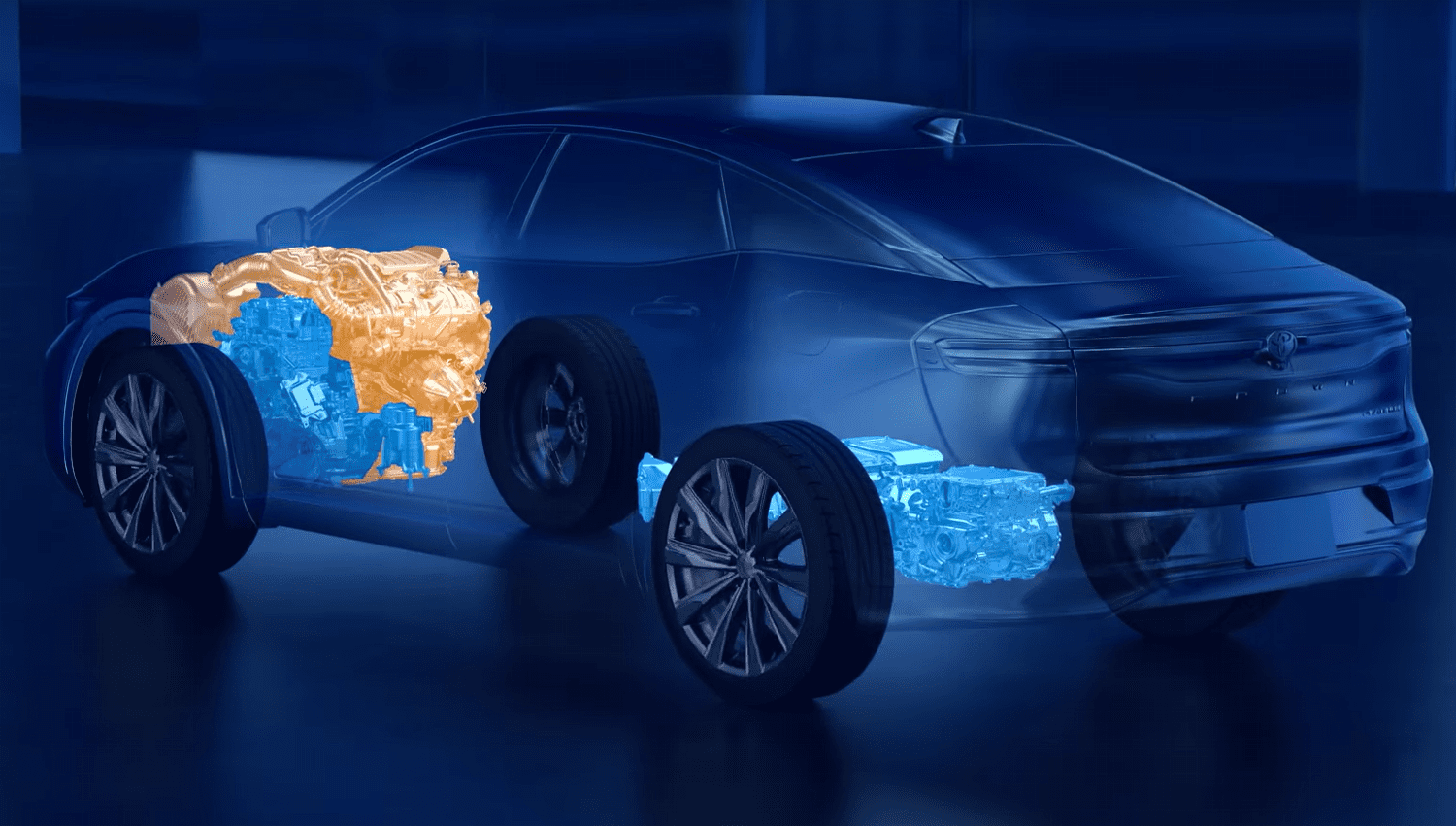
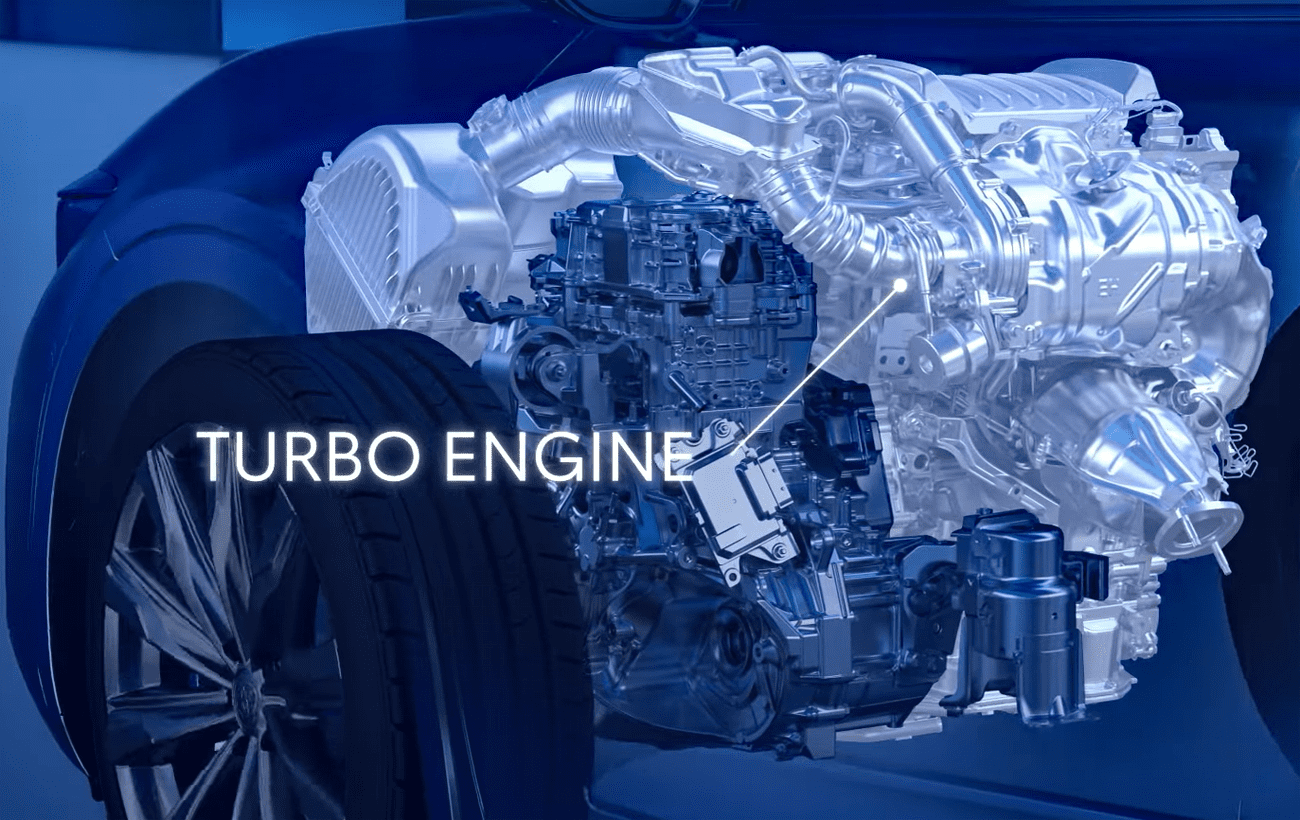
An enhancement of the 2.4-liter turbocharged engine which has been used for a couple of years now as a replacement for the maker’s well-loved but dated 3.5-liter V6, the Max engine is surprisingly different from most other Toyota hybrid engines.
While most Toyota hybrids are designed for maximum fuel economy, the Max is designed for power first, and fuel economy as a secondary attribute. And in Consumer Guide testing, the powerplant shines in both regards.
Hybrid Max Specs
Now offered in a pair each of Toyota and Lexus models, the engine is technically interesting for a number of reasons. Here are a few noteworthy features:
- Displaces 2.4-liters (2393 cubic centimeters)
- Always fitted with a 6-speed automatic transmission and AWD
- Runs on regular gas* despite its high power output
- Peak turbo boost between 15-17 psi
- Unlike most other Toyota hybrid engines, the Max does not employ Atkinson Cycle valve-management technology
- Horsepower and torque output varies by application
- No matter the application, produces at least 400 pound-feet or torque
Hybrid Max Power and Fuel Economy
The Max engine provides a healthy bump in horsepower and fuel economy in every application it sees service. Take the Lexus RX, for example. The RX 350 AWD employs Toyota’s conventional turbocharged 2.4-liter engine, and boasts 275 horsepower, and an EPA combined fuel-economy estimate of 24 mpg.
The sporty RX 500h, however, is equipped with the Max powertrain, and boasts 366 horsepower and an impressive 27 combined mpg rating.
Applications
The Hybrid Max engine is currently offered in the Toyota Crown and Grand Highlander, as well as the Lexus RX and TX. And, unlike VW’s troubled software operation, we’d say that the Hybrid Max engine was totally worth branding.
i-Force Max
Note that the 4-cylinder i-Force Max engine is mechanically similar to the Hybrid Max, but is designed for north/south installations (not transverse), in Toyota’s more rugged trucks. Toyota also produces a V6 engine dubbed i-Force Max; it can be found in the Toyota Tundra and Sequoia big trucks.
Premium Gas
*And about that regular gas thing: Word is that using premium-grade gas in the Max will improve power output and fuel economy, though only marginally. Hitting the hills, or doing a little trailering? Couldn’t hurt to top off with the good stuff.
Listen to the Car Stuff Podcast
Hybrid Max Pictures
Click below for enlarged images