
New cars have gotten very expensive in recent years, putting the squeeze on the budgets of many consumers. Seven-year loans have become common, and monthly payments now average close to $800.
As the purchase price of a new car rises, so does interest in leasing. Once the exclusive purview of businesses and wealthy new-vehicle shoppers, leasing is being given a second look by mainstream consumers, this largely due to the relatively low monthly payments associated with a typical lease contract. But, what is a lease? Does leasing really save car shoppers money? And what is the downside of leasing? Read on…
What is an Auto lease?
What is leasing?
An auto lease is a contract that allows shoppers to use a vehicle for a set period of time (generally 24-48 months) in exchange for monthly payments, without owning the car at the end of the contract term.
How does leasing work?
As opposed to purchasing the vehicle in question, lessees essentially rent the vehicle from the manufacturer or leasing company (often the same banks which issue auto loans) for the lease term. Most leases call for a down payment (called a capitalized cost reduction) plus monthly payments that cover the expected depreciation on the vehicle during the contract term.
The expected depreciation cost is subject to interest, which is referred to in lease contracts as the “money factor.” Money-factor rates typically mirror new-car-loan interest rates. Depending on the state in which the lease contract originates, the lessee may have to sales tax on part–or all–of the negotiated price of the vehicle being leased.
Walk way
When the lease contract expires, most lessees “walk away” from the car, formally ending the arrangement. Consumers may have the option to purchase the vehicle they have been leasing for its predetermined residual value. In some cases, when the car has been undervalued, purchasing the car or truck may make financial sense–assuming the lessee is interested in owning a vehicle.
 Lease vocabulary
Capitalized Cost
The negotiated price of the car
Residual Value
The projected value of the car at the end of the lease
Money Factor
The interest rate being applied to the lease
Mileage Allowance
A lessor determined cap on total mileage allowed. Exceeding the mileage cap will result in fees generally ranging between $.15-30 per mile
Disposition Fee
Fee charged when you return the car. The disposition fee is typically between $300 and $500
Early Termination
Ending a lease early can be expensive for the lessor, and thus generally results in substantial penalties for the lessee. It is in the consumer’s best interest to avoid breaking a lease contract
Advantages of leasing a new car
- Payments that are typically 30 percent lower than purchasing a vehicle (This for a 3-year lease versus a 5-year loan. Note that fees and terms vary, as do down payments and trade-in values.)
- Driving a new car every few years
- Lower upfront costs (specifically the downpayment)
- Vehicle “ownership” term will not exceed factory warranty coverage
Disadvantages of leasing a new car
- Lease payments do not become “equity,” so no value is accrued in the vehicle over time
- Mileage limits can become an issue if daily commute becomes longer during lease term
- Lessor may assess fees for “excessive wear” at contract termination, which can add to the overall cost of leasing
Who is best served by an auto lease?
- Folks who like driving a new car every few years
- Drivers with a predictable, low-to-moderate annual mileage profile
- Consumers who want lower monthly payments and don’t care about building equity
Listen to the Car Stuff Podcast
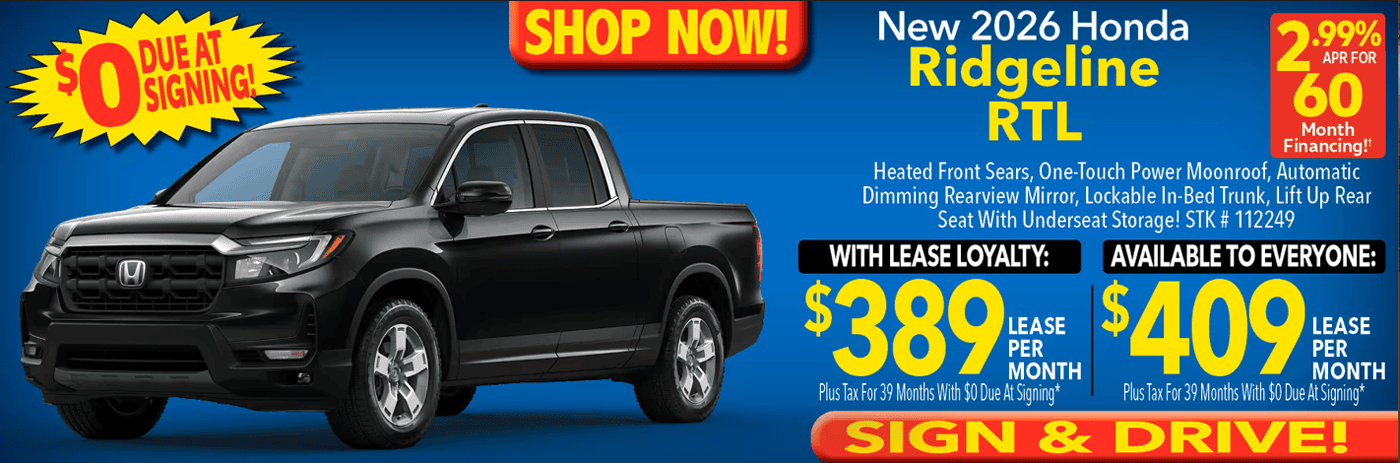
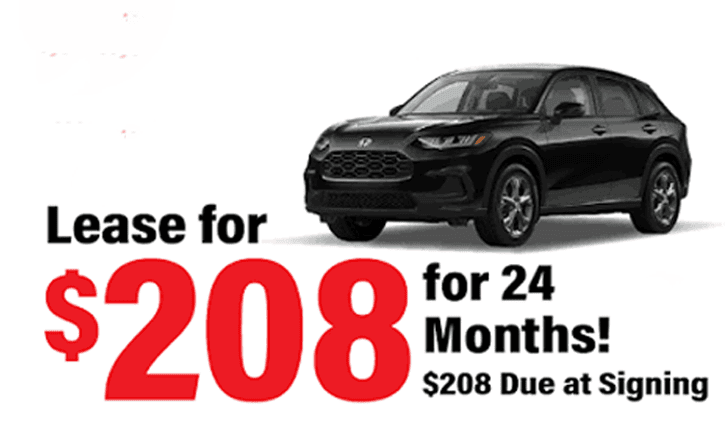
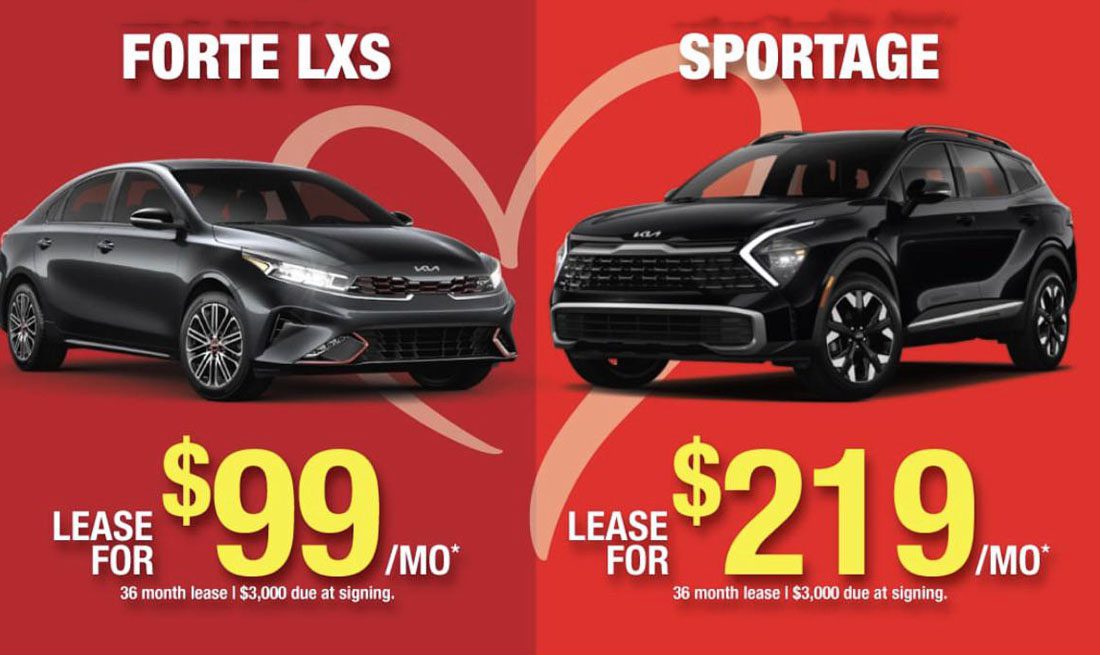
Auto lease Ads
(Click below for enlarged images)