
Torque steer is the unwanted tugging or pulling of the steering wheel under hard acceleration, generally in front-wheel-drive vehicles.
What is Torque Steer?
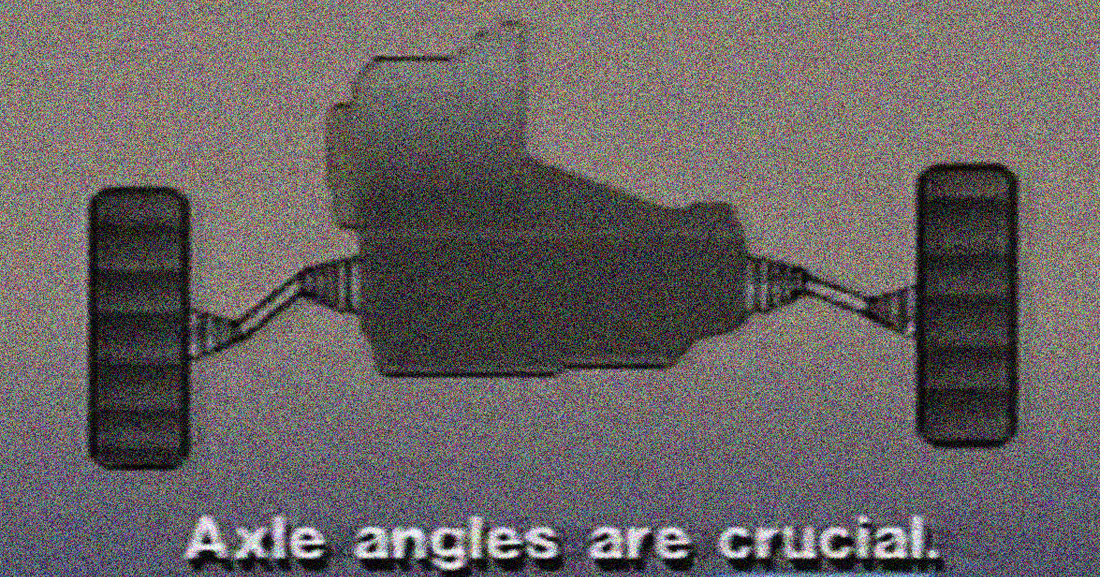
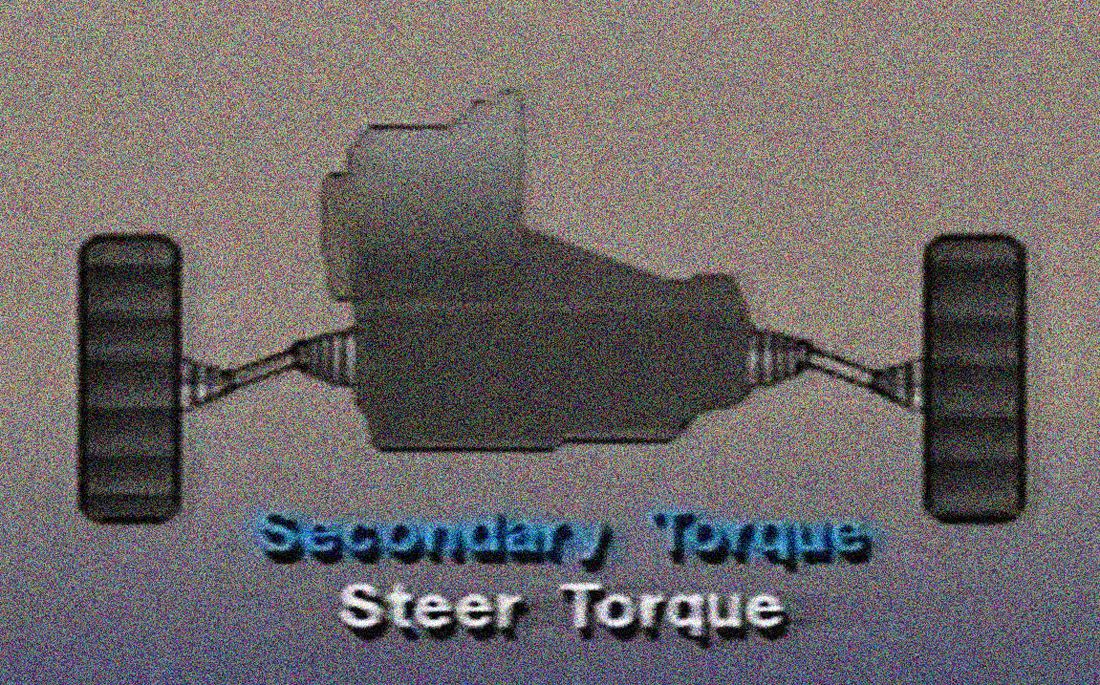
Torque steer occurs when engine torque is delivered unequally to the left and right front wheels. Because those wheels also handle steering, the imbalance generates a net steering moment that the driver feels as a twist through the wheel or a pull to one side. The effect is most noticeable during strong acceleration from low speeds or a standstill. Generally, the effect is most pronounced in lower gears.
Causes
The primary cause ot torque steer is almost always asymmetry in how torque reaches the drive wheels. Causes include:
- Unequal-length driveshafts
- The engine and/or transaxle package sits offset, so one shaft is longer than the other
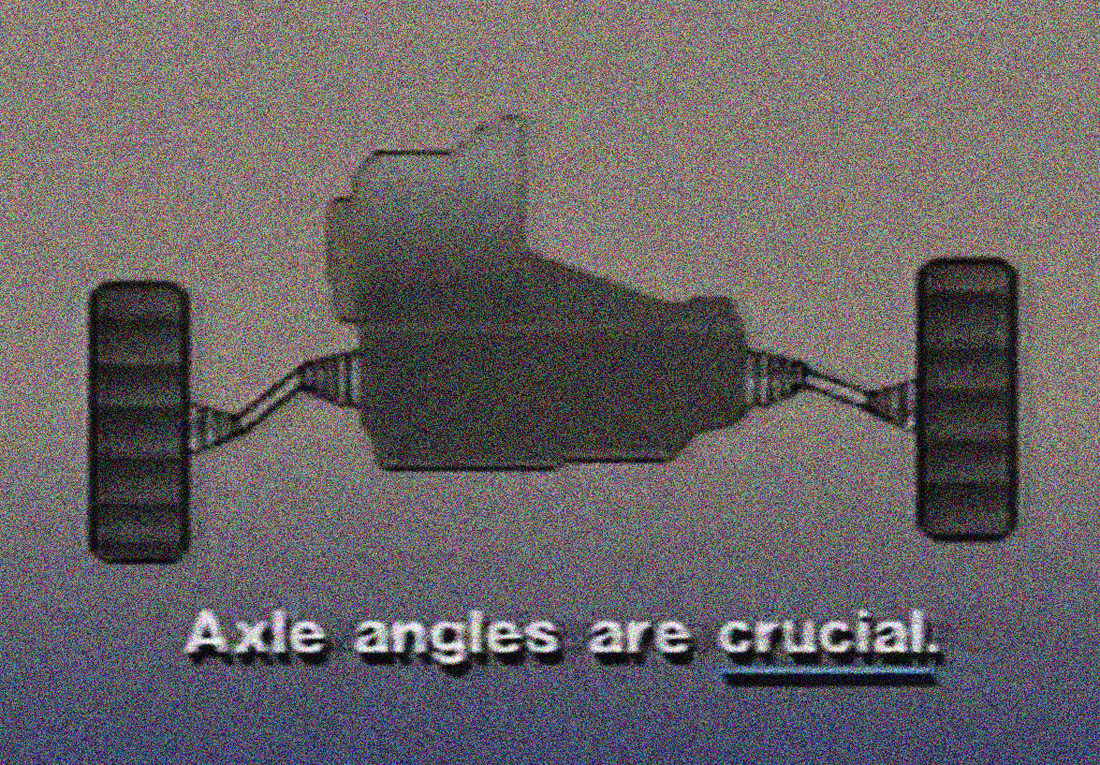
- The shafts differ in torsional stiffness and operating angles (CV-joint angles), so they transmit torque slightly differently. (The shorter, stiffer shaft typically delivers torque more immediately, causing the car to pull toward the side of the longer shaft)
Other contributing factors include:
- Unequal tire grip/traction (worn tires, uneven inflation, or road surface differences)
- Worn suspension bits, especially the bushings
- A very high-power engine
Rear-wheel-drive cars are largely immune from torque steer because the driven wheels are not responsible for steering the vehicle. Perhaps surprisingly, all-wheel-drive systems can show a milder version of torque steer if the front axle is involved.
CG Says:
Torque steer is an inherent side-effect of putting high power through the front wheels when the drivetrain isn’t perfectly symmetrical. Engineering has largely tamed torque steer over the years, but it can still appear under aggressive acceleration or as suspension parts wear.
Listen to the Car Stuff Podcast
Torque Steer Pictures
Click below for enlarged images
Consumer Guide Car Stuff Podcast Episode 344: New Kia Seltos, Most American Cars, Dead for 2027