
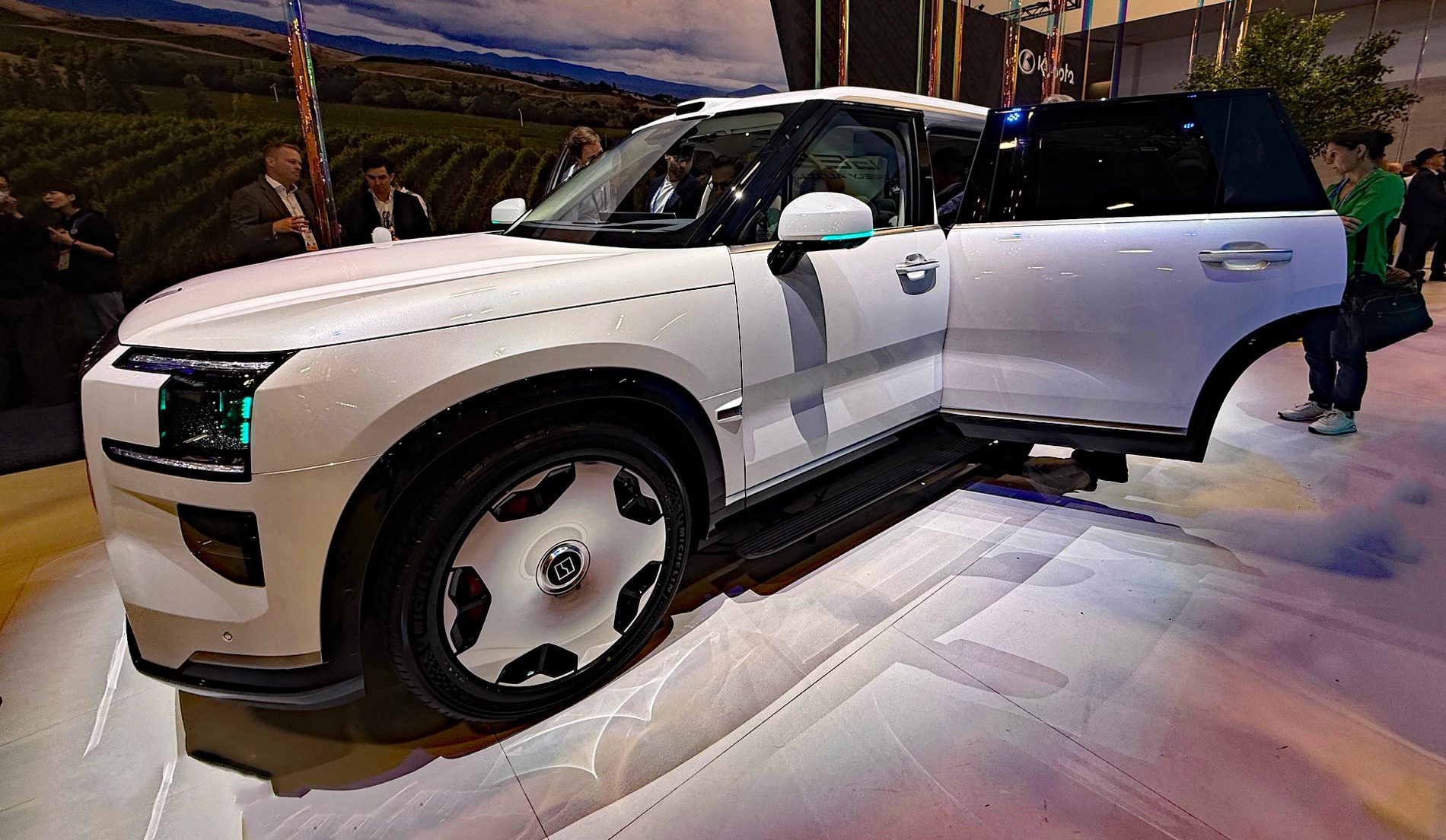
 While attending CES, I had the opportunity to check out Zeekr, a Chinese premium electric-vehicle brand owned by Geely Group. This was my first exposure to the brand. Though my time with the Zeekr folks, and their cars, was brief, I came away impressed.
Before we dig into the cars I was able to sample, let’s back up a bit and give an overview of the brand itself.
What is Zeekr, and why should Americans care?
What is Zeekr?
While ostensibly a Chinese brand, it’s not just sold in China. Zeekr vehicles are retailed in Europe, the Middle East, Australia, and all-over Asia. Plus, vehicles from the brand have been available in Mexico for at least two years. Lest you think we’ll never see one in America, Zeekr has already entered into a partnership with Waymo, an autonomous taxi service operating regionally in the U.S., to provide vehicles for the ride-hailing operation.
Its parent company, Geely, also owns Volvo—headquartered in Sweden–which not only sells cars in the U.S., but also builds vehicles here in South Carolina. It’s also worth noting that the compact Zeekr X shares a platform with the Volvo EX30, which is sold in the U.S.
Zeekr is an electrified brand, and its vehicles offer fast-charging, 800-volt systems, with decent range, and advanced driver-assistance features. All things we’re looking for in vehicles in the U.S.
It’s understandable that a lot of people haven’t heard of the brand here in the U.S. And some people, who clearly aren’t familiar with Goodr sunglasses, commented that the name was weird and Americans wouldn’t get it. With a little Google magic, I uncovered an Instagram post from Zeekr Egypt that explains the origins of the name:
- ZE stands for Zero, the starting point of infinite possibilities.
- E stands for the “Evolving Electric Era.”
- KR stands for Krypton, a rare gas that emits light when electrified.
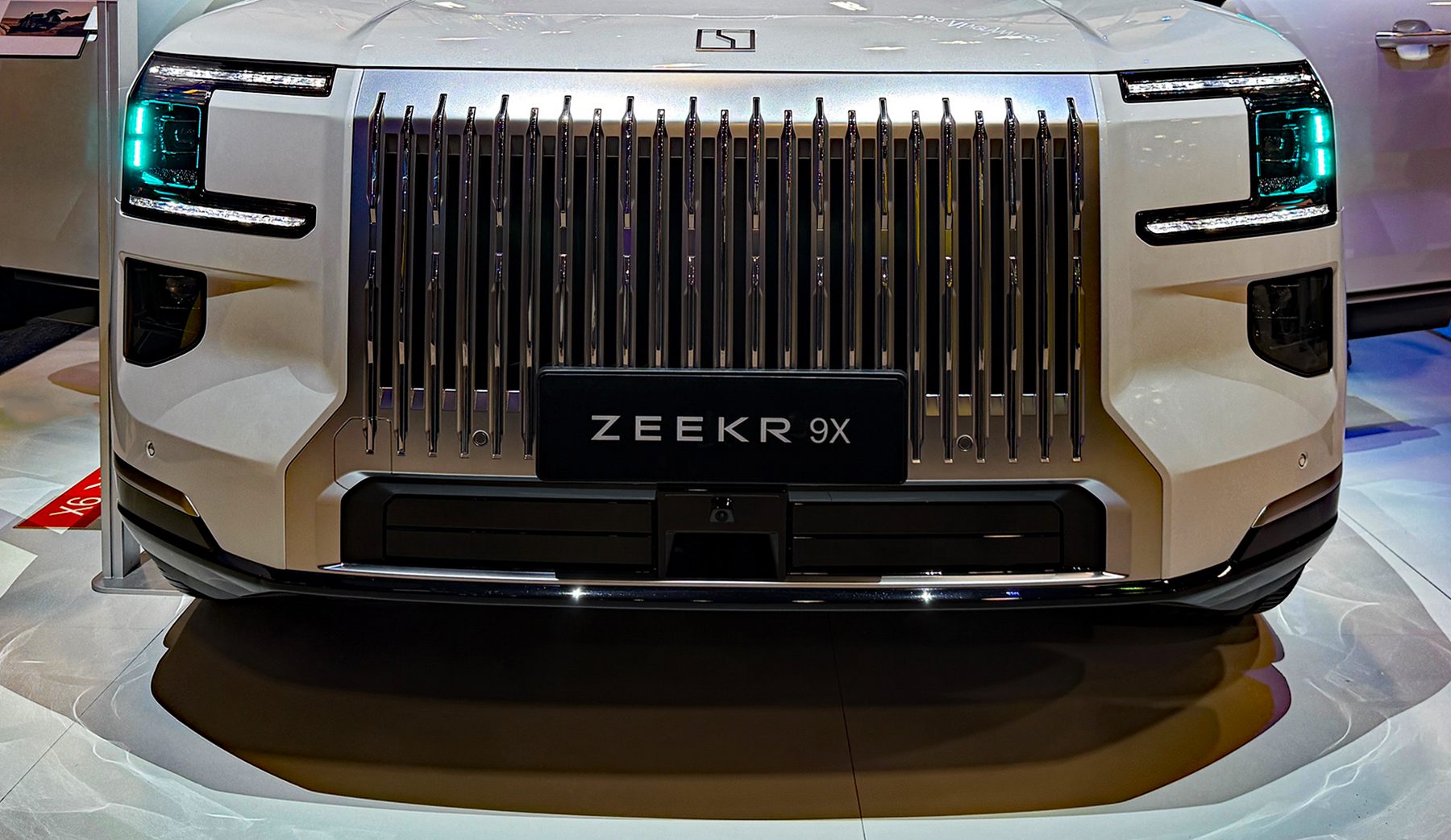
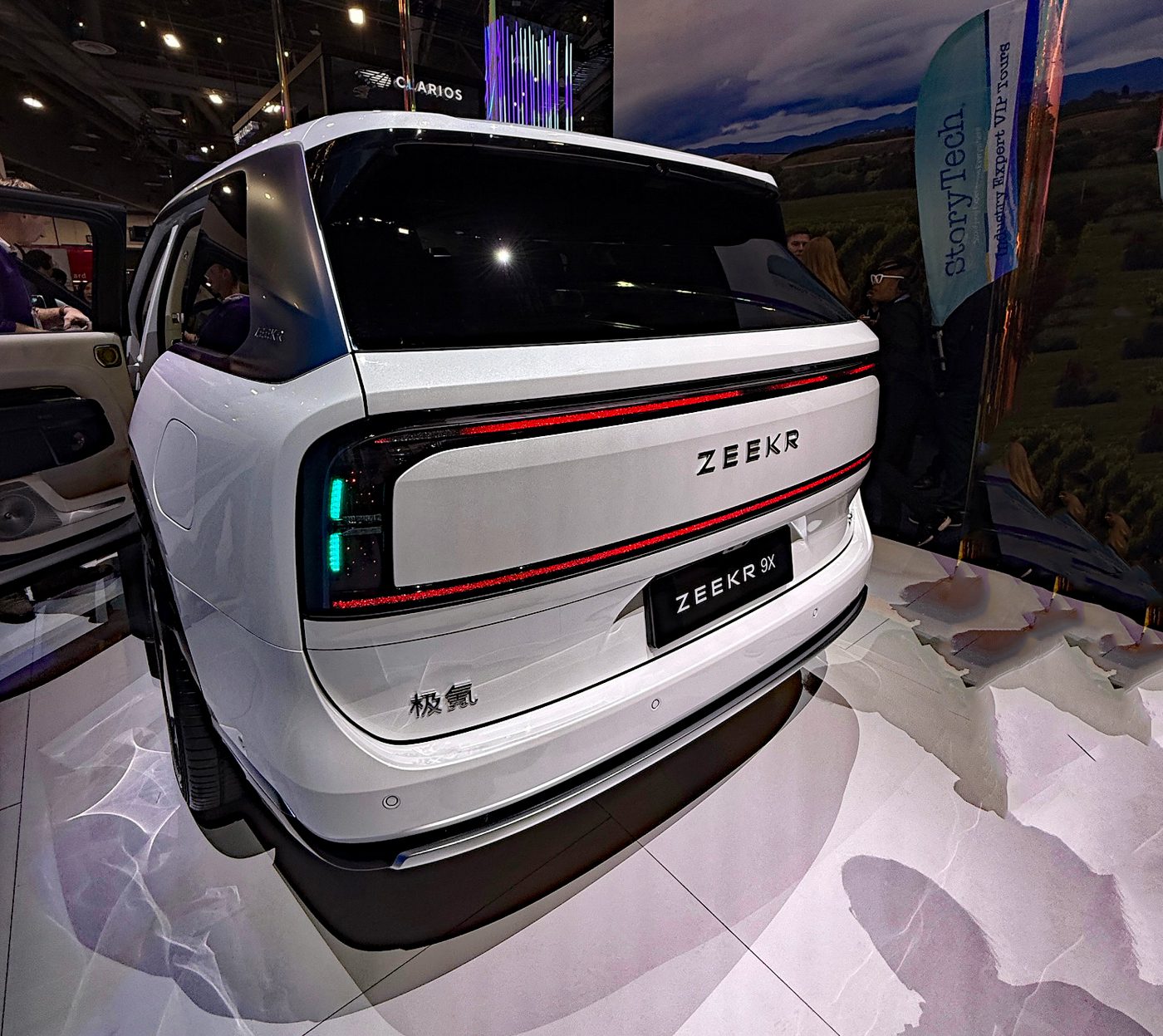
There are currently six models in the Zeekr lineup, three of which I had the opportunity to spend time with. Because Zeekr’s cars are not (yet) certified for on-street use in the U.S., the Chinese carmaker had us staged at the Las Vegas Motor Speedway. We had the opportunity to drive the 001, X, and 7X. Though not available to drive, the midsize Zeekr 9X crossover was on display nearby at CES. So, lets dig into each car.
Zeekr 001
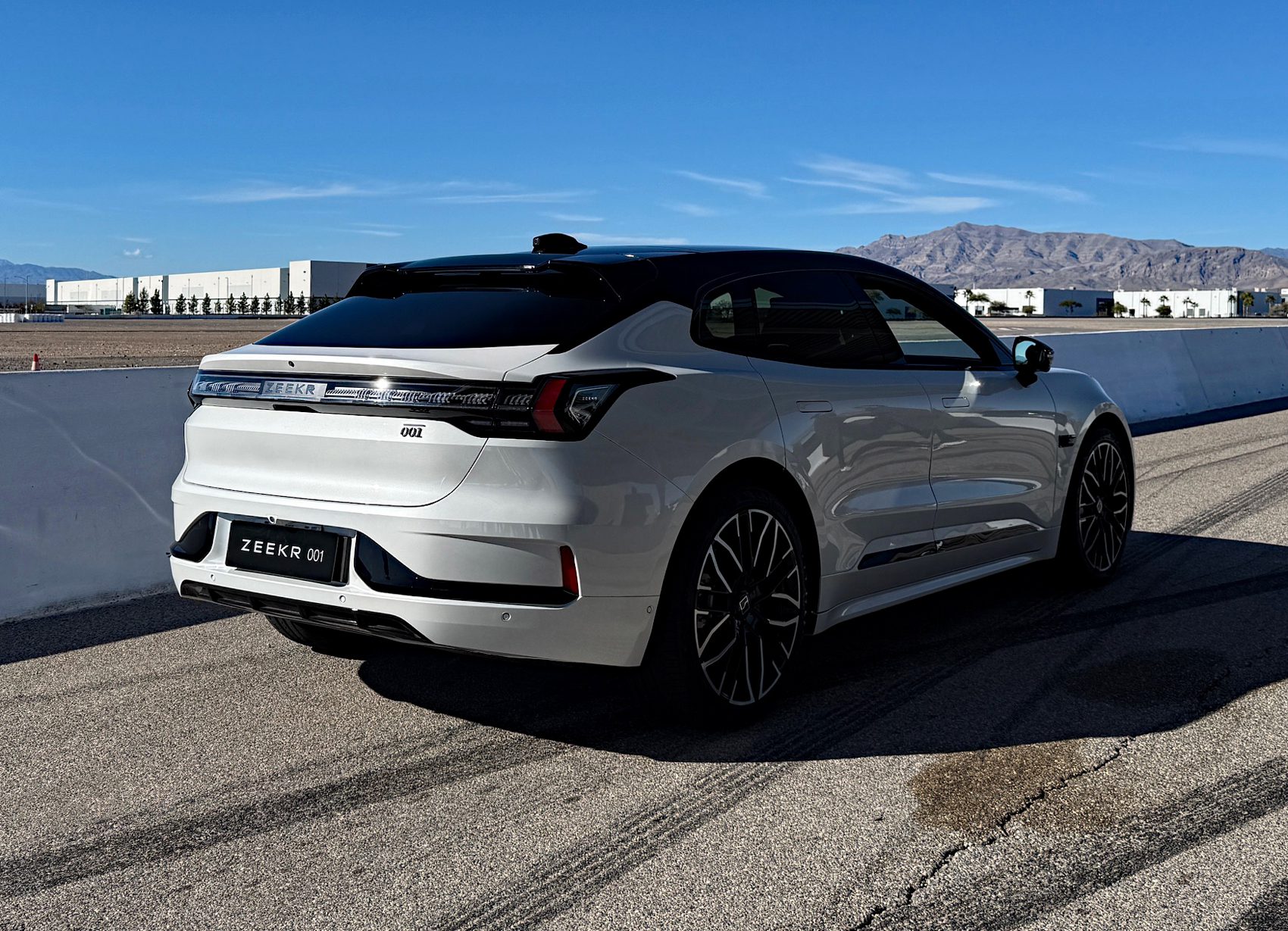
This is the brand’s first model, and it’s considered a premium electric crossover. It is available in rear- and all-wheel drive, and it boasts about 450 miles of range. Fast charging will add more than 200 miles of range in 30 minutes. In the Performance AWD model, the vehicle can go from 0 to 62 mph in 3.3 seconds. This is the fastest vehicle in the Zeekr lineup.
My first impression of the 001 was that it was super-fast and handled quite well. Being at a racetrack, we had the opportunity to push it a bit, and I was impressed with how planted it felt around the corners. It was smooth and accelerated out of the corners at an even, fast pace. We had a small slalom on one of the straight aways, and the 001 didn’t get screechy or roll in the tight turns.
Inside, fit and finish was impressive, and the infotainment system responsive.
In China, the 001 starts about $36,000, and in Mexico, it starts at about $55,000.
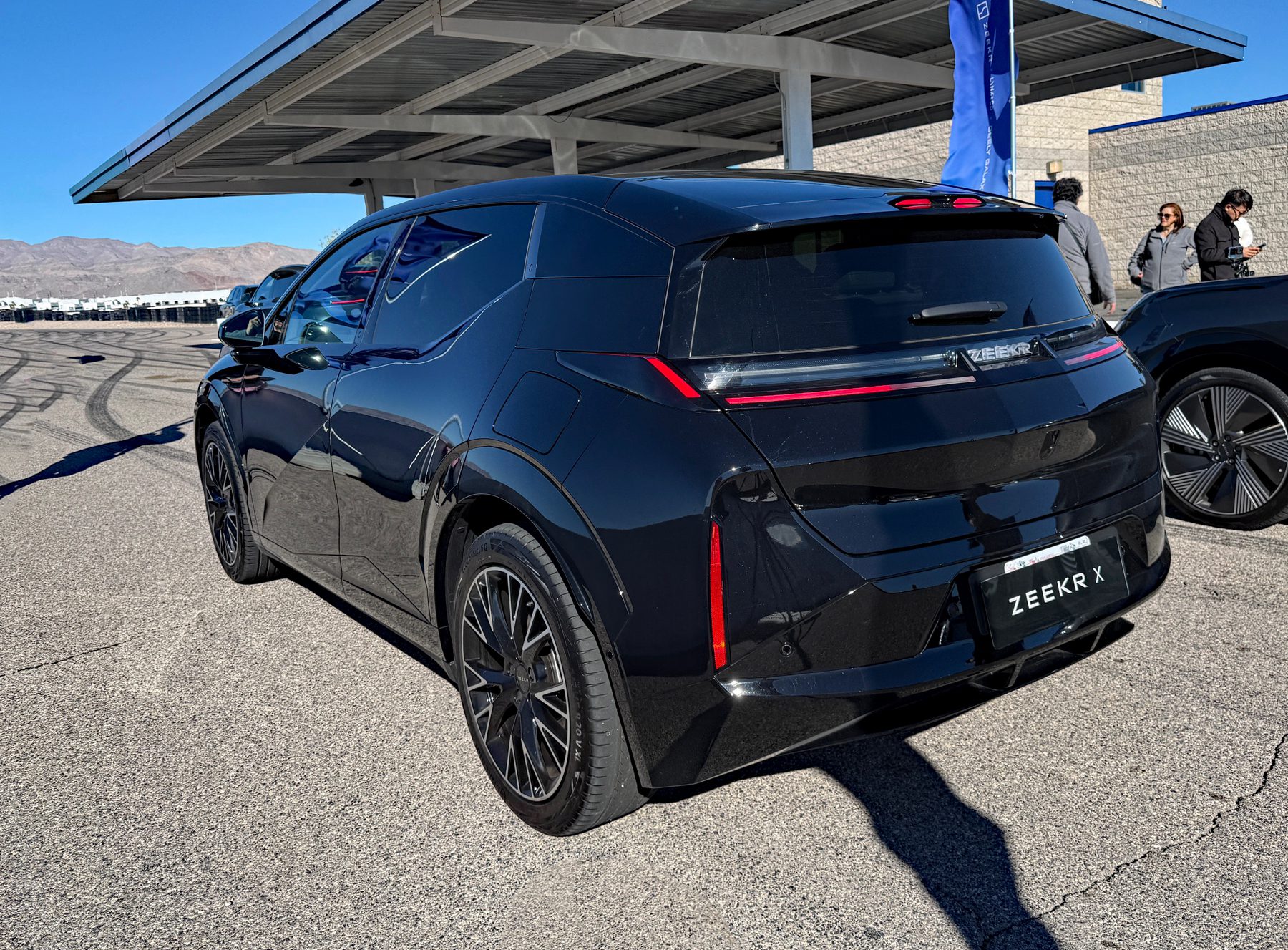
Zeekr X
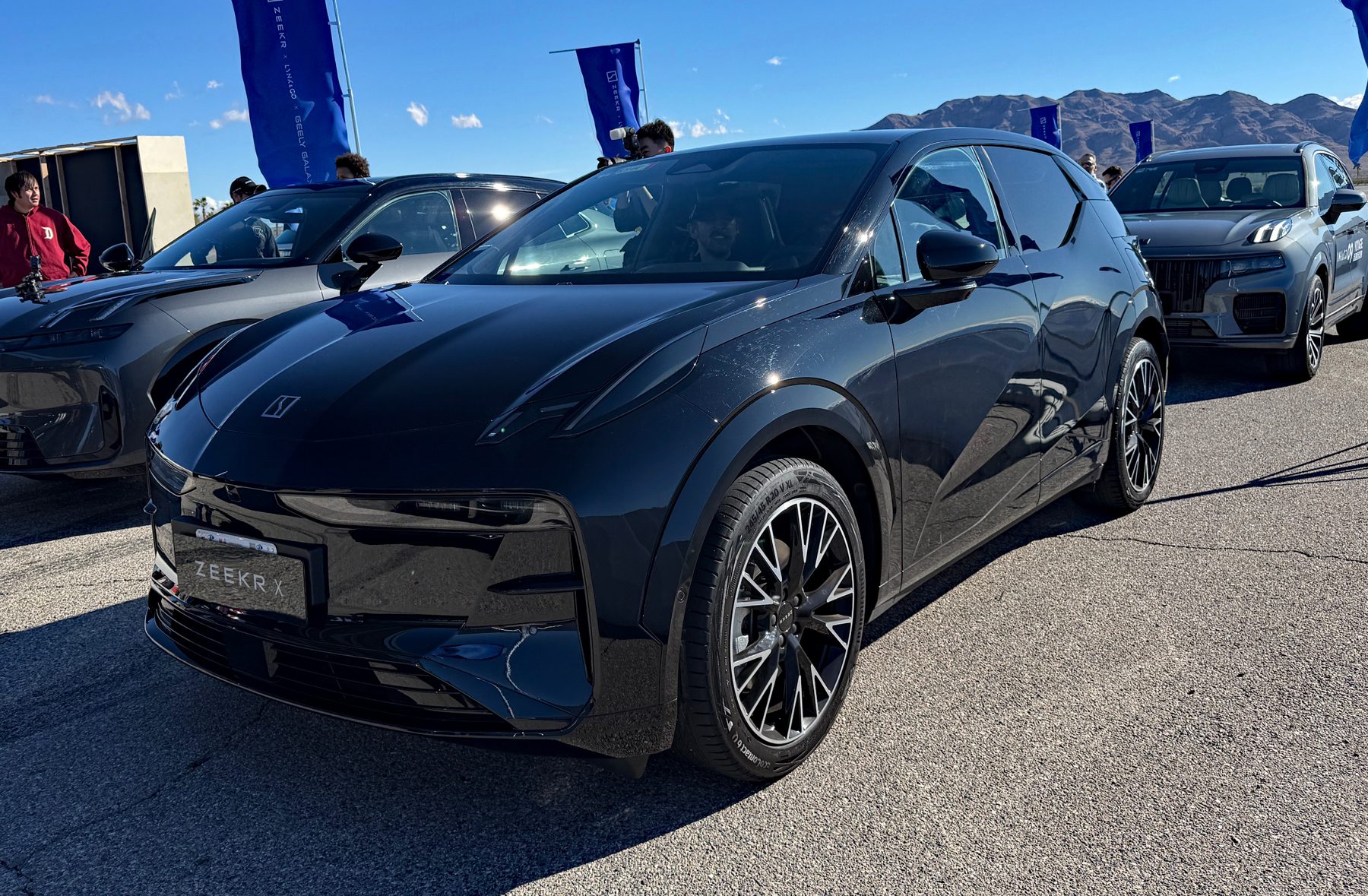
This is a compact SUV that Zeekr calls a luxury urban crossover. It can be quick charged from 10 to 80 percent capacity in a claimed 30 minutes. Range is a little less than what Americans are clamoring for at 280 miles, but that’s still a solid showing, and after some anecdotal conversations with executives who own one and regularly drive 200 miles on a single charge, it’s accurate. This vehicle clearly targets a younger crowd with features such as an AI-powered voice assistant to adjust your music and climate controls, and ambient lighting that can match the beat of your music. It is available in both RWD and AWD.
This was the first model I drove on the track, and I walked away thinking that it was perfect for a city environment. It has a lot of pep that translates into smooth power that doesn’t jerk you back into the seat when you hit the accelerator. It maneuvered well on the tight slalom course, and its compact size, numerous amenities, and minimalist design, had me wanting one for Chicago. Though the design is completely different, it did remind me in small ways of the U.S.-market Volvo EX30, which I love.
In China, the X starts at about $20,000, and in Mexico it costs about $45,000.
Zeekr 7X
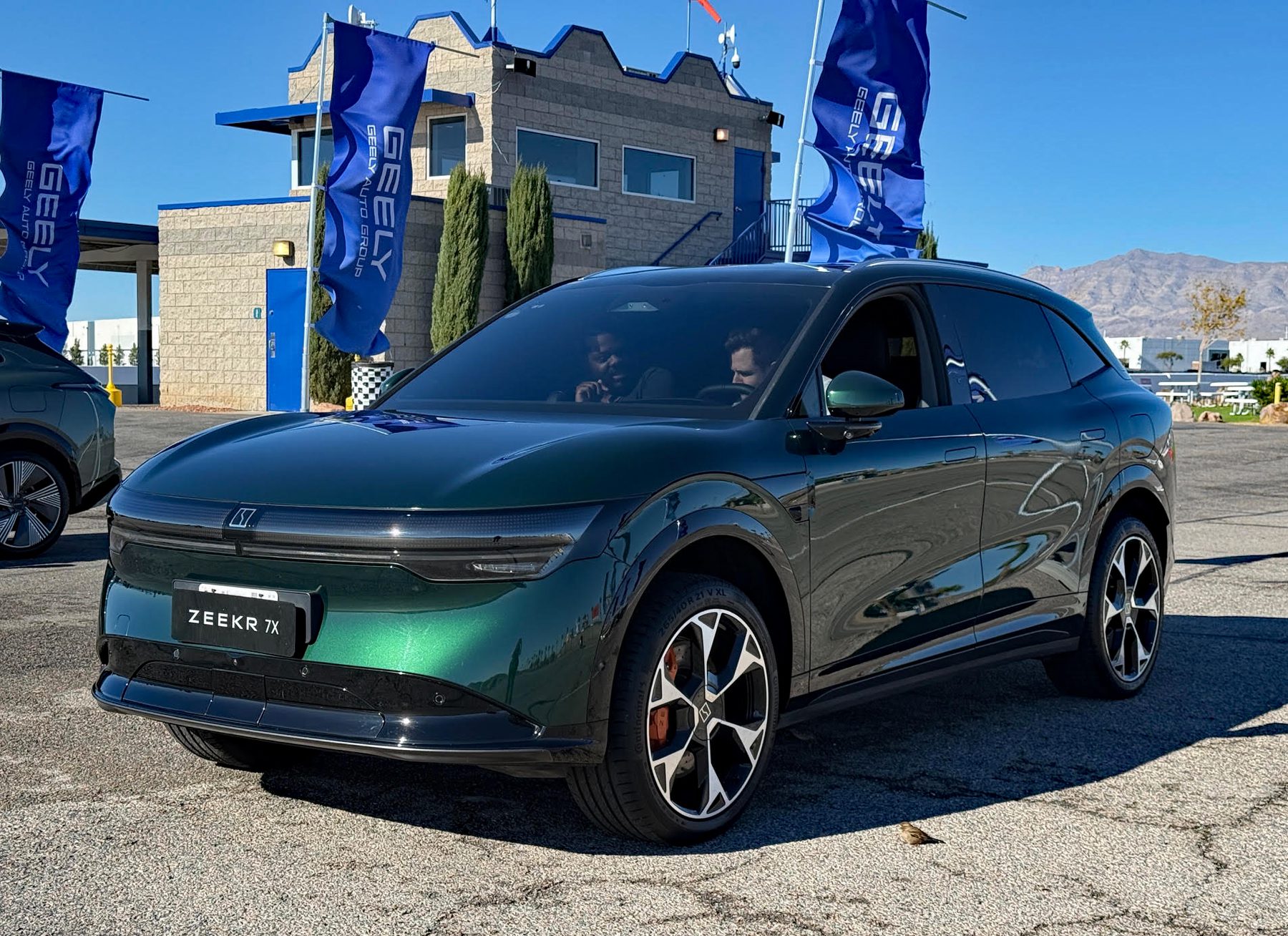
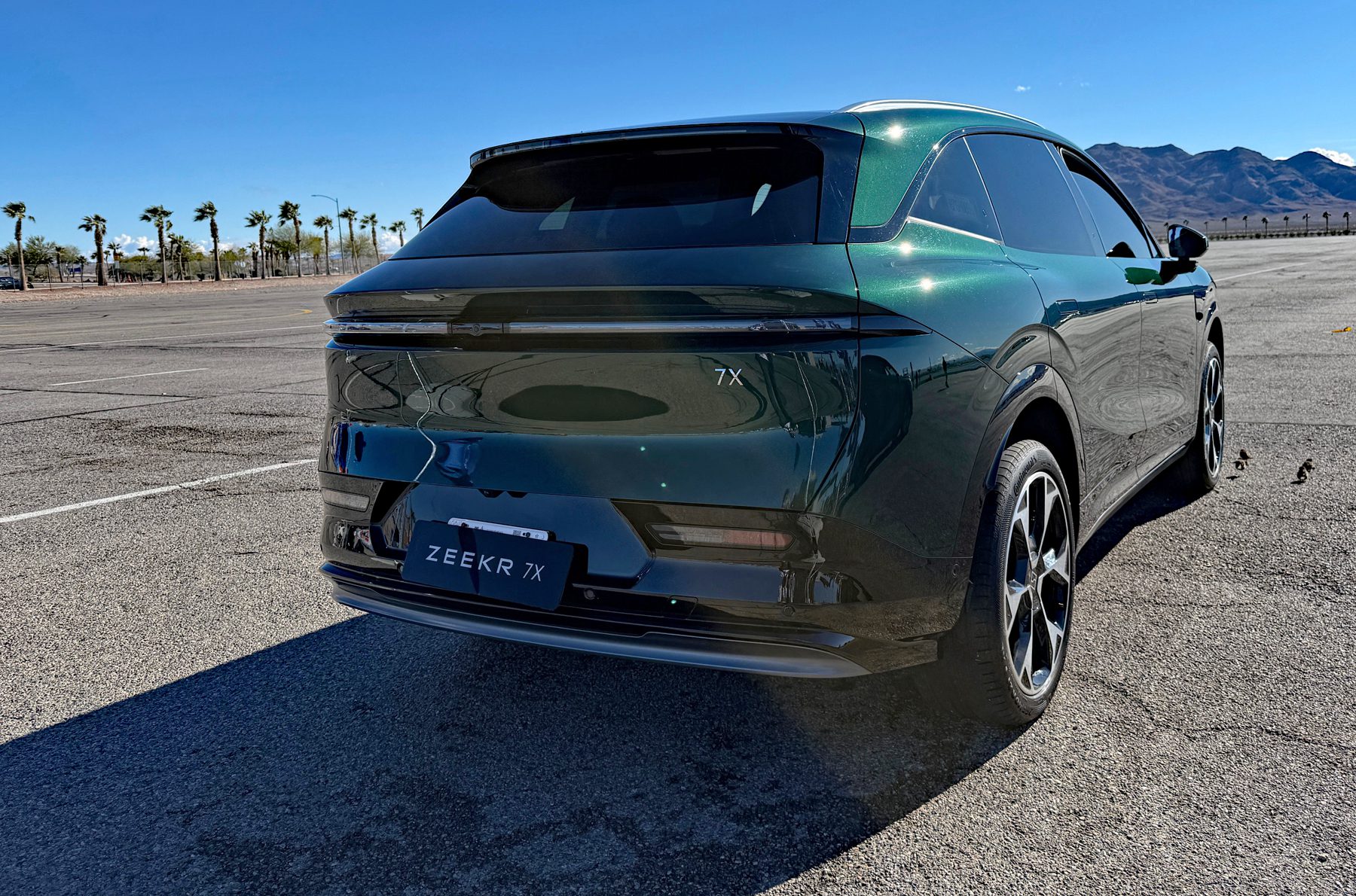
The Zeekr 7X is a midsize SUV, positioned against vehicles like the Tesla Model Y. It gets up to 382 miles of range and has an 800-volt high-voltage battery system, which means it can utilize 450 kW DC fast charging. It can go from 10 to 80 percent in 13 minutes. Other interesting features include a 16-inch infotainment screen, drawer storage under the rear seats, maximum-recline seats, and a multi-device charger with (get this) a heat management system.
I spent the most time with this vehicle, taking two turns on the track and sitting in a static vehicle to play around with some of the tech. I don’t know what I was expecting, but it wasn’t this: A vehicle that is so complete in terms of technology that American automakers should be worried.
On the track, I thought the 7X somehow felt lighter than the 001, even though the two vehicles weigh roughly the same. The 001 is longer and wider, but the 7X is taller. Even though the 7X felt a little less sporty, it was still no slouch in the performance department. It had a nice punch of acceleration, but similar to the 001 and X, it is more smooth luxurious power (like a Lincoln) rather than throw-you-back-in-your-seat power (like a BMW).
Spending time with the static vehicle was revealing. While I do see some similarities to Volvo and Polestar vehicles models, with things like the steering wheel and side mirror adjustments introduced through the infotainment screen, the overall Zeekr user interface was more intuitive. Plus, the infotainment-system processing speed was faster than anything I’ve experienced in a car to date.
Rather than being annoyed by the fact that so many vehicle functions were controlled through the screen, I was delighted because of how quickly and easily they were accessed. This is what I’ve been missing in a lot of the cars I’ve driven that have been moving all the controls to the screen.
Now, I realize, spending 20 minutes tapping icons and living with the vehicle for a week are two different things, but my first exposure was favorable.
So, why should American’s care?
Whether you’ve read this far or skipped to the end, this is probably what you’re most interested in. So, here we go.
First, if Geely is going to bring one of its brands (other than Volvo and Polestar) to the U.S., Ash Sutcliffe, global communications lead at Geely Holding, commented that Zeekr is the likeliest candidate. In addition to already being on sale in Mexico, through its partnership with Volvo, there is the potential that vehicles could be built in the U.S.
Second, the Zeekr vehicles I had the opportunity to test were phenomenal. I hesitate to say they were the best electric vehicles I’ve ever driven – especially since my time with them was so brief–but I will say they left a very positive impression.
Third, while electric vehicle sales in the U.S. seem to be waning right now, electrification is a global trend, and if American automakers want to keep up with, well, the world, they’re going to have to continue to develop and to produce electric vehicles as well as work on building out the infrastructure. Full stop. Otherwise, we will be left behind.
Finally, though I didn’t have the chance to drive it, I was able to sit behind the wheel of the newest Zeekr model, the 9X, at CES. In addition to being in the sweet spot of having three rows, the display car showed amenities that were downright amazing. From the rear screen that could slide forward and aft with the push of a button to cater to either second- or third-row passengers to the full-recline seats, to the dominant infotainment/passenger screen with fast tech and Zeekr’s newest AI voice assistant Eva, it was like sitting in a rolling entertainment system. Oh, and it’s a plug-in hybrid.
I only got to spend two days with the folks at Geely, but it’s a brand with a plan that has tech I’d love to see in the U.S. Competition is healthy, and in my opinion, bringing a brand like Zeekr to the U.S. would make all our cars better. Kind of like the Tesla effect.
Listen to the Car Stuff Podcast
Zeekr Pictures
Click below for enlarged images