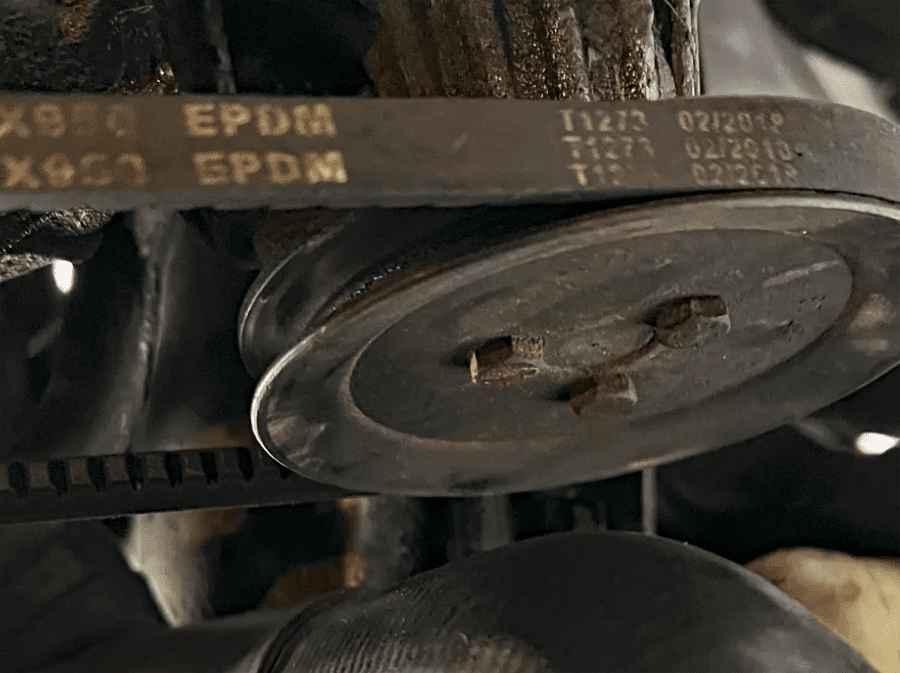
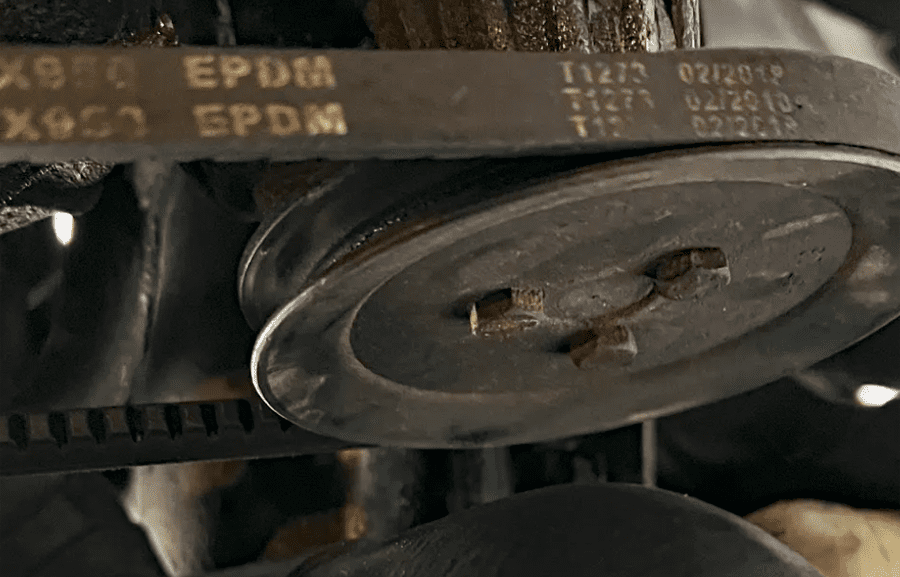

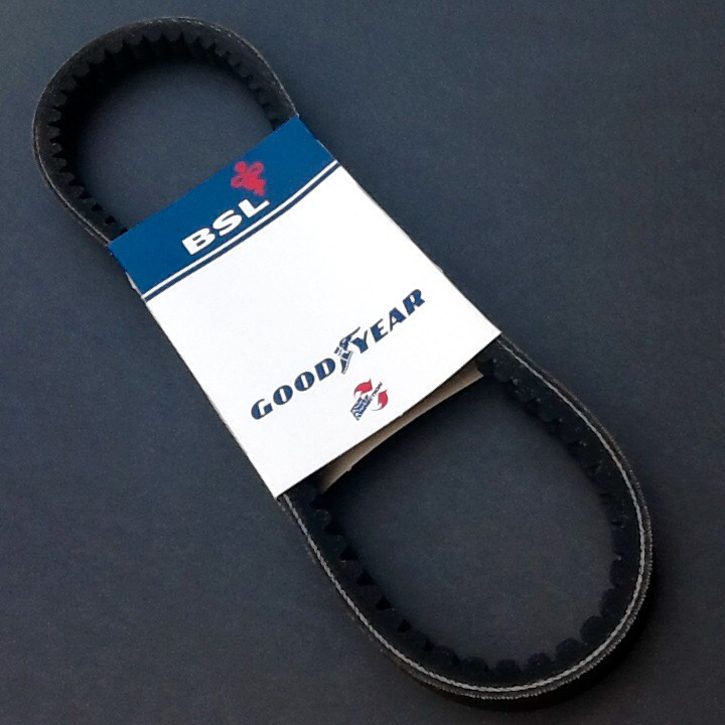
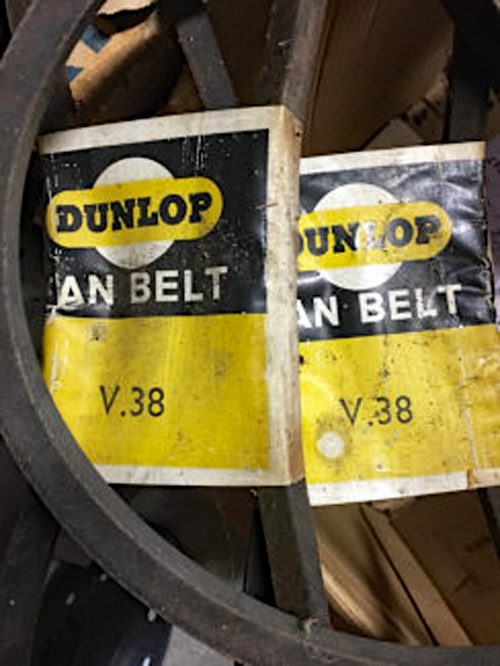
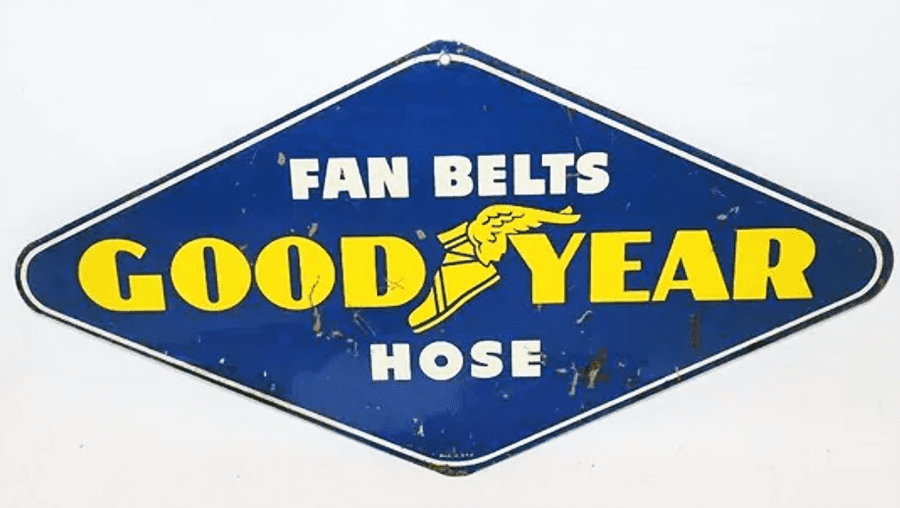
Going back only a couple of decades, it was still common to see signs at garages and gas station advertising replacement fan belts. Fan belts—or just belts—were instrumental to a vehicle’s performance, as they connected important engine-powered accessories to the motor.
Why Don’t We Replace Fan Belts Anymore?
One belt often drove the engine cooling fan directly, while others handled the alternator, power steering pump, water pump, and air-conditioning compressor. These belts required periodic manual tension adjustments, and wore out frequently, so people replaced them often—sometimes every 20,000–30,000 miles. Modern cars (generally from the Eighties onward) have required less-frequent belt maintenance for a number of reasons. Here are a few:
Electric cooling fans
Most vehicles now use electric fans controlled by the engine computer. These turn on only when needed (e.g., in traffic or hot weather), improving fuel efficiency and reducing engine drag compared to always-on belt-driven fans. No dedicated fan belt is required anymore.
Serpentine belts
A single, wider, ribbed belt (called serpentine because it snakes around multiple pulleys) replaced the old multiple V-belts. Serpentine belts drive most accessories and are adjusted with automatic tensioners—no manual adjustments needed. These belts are more durable than old-school fan belts.
Longer lifespan
Modern serpentine belts typically last 60,000–100,000 miles before needing replacement, and may last the life of the vehicle. That said, we recommend sticking to a vehicle’s maintenance schedule and replacing the serpentine belt as prescribed by the manufacturer. Modern belts generally show clear wear signs such as cracks, glazing, squealing, well in advance of failure.
Today
We still replace belts today, but far less frequently than we did old-school belts. If one fails now, it affects everything at once–no charging, no power steering, no air conditioning–so preventive replacement is recommended during routine service.
Listen to the Car Stuff Podcast
Fan Belt Pictures