
 Text by Tom Appel
2026 Toyota Prius Nightshade PHEV
Specs
Class: Compact Car
Country of Manufacture: Japan
Color: Karashi
Seating Capacity: 5
Miles driven: 100
Real-world fuel economy: 90.9 mpg
| CG Report Card | |
|---|---|
| Room and Comfort | B- |
| Power and Performance | B |
| Fit and Finish | C |
| Fuel Economy | A |
| Value | B+ |
| Report-card grades are derived from a consensus of test-driver evaluations. All grades are versus other vehicles in the same class. Value grade is for specific trim level evaluated, and may not reflect Consumer Guide's impressions of the entire model lineup. | |
| Big & Tall Comfort | |
| Big Guy | B- |
| Tall Guy | C |
| Big & Tall comfort ratings are for front seats only. "Big" rating based on male tester weighing approximately 350 pounds, "Tall" rating based on 6'6"-tall male tester. | |
| Drivetrain | |
| Engine Specs | 220-horsepower 2.0-liter |
| Engine Type | Hybrid 4-cylinder |
| Transmission | CVT automatic |
| Drive Wheels | Front-wheel drive |
Driving mix: 65% city, 35% highway
EPA-estimated fuel economy: 114 MPGe/48 mpg (city/highway combined)
EPA-estimated battery range: 39 miles
Fuel type: Regular gas
Base price: $37,795 (not including $1195 destination charge)
Options on test vehicle: Digital key capability ($275), Toyota Audio Multimedia with 12.3-inch touchscreen ($6100), glass roof ($1000), key gloves ($20), wheel locks ($90), floor and cargo mats ($319)
Price as tested: $41,304
Pros and Cons
The great: Modern design, excellent fuel economy
The good: Fun to drive, good power
The not so good: Less passenger space than previous Prius generations
Review
After better than two decades as the Toyota brand’s efficiency flagship, the Prius has come to a career crossroads. Once an industry symbol of peerless fuel economy, the car is now just one of 15 hybrid models offered by the Japanese carmaker, many of which serve up mileage rivaling that of the Prius.
Toyota Hybrids
In fact, a number of Toyota models are now offered ONLY in hybrid form, Including the Camry midsize sedan, Sienna minivan, and, for 2026, the best-selling RAV4 compact crossover. It’s hard not to imagine that the poor Prius has gotten lost in all this mass-market efficiency.
Sexy Prius
Toyota did give its efficiency legend a makeover for 2023, and in doing so, narrowed its market focus and redefined its mission. A complete redesign brought with it—dare we say it?—a sexy new look, a sportier cabin, and a new level of youth appeal.

Design Compromises
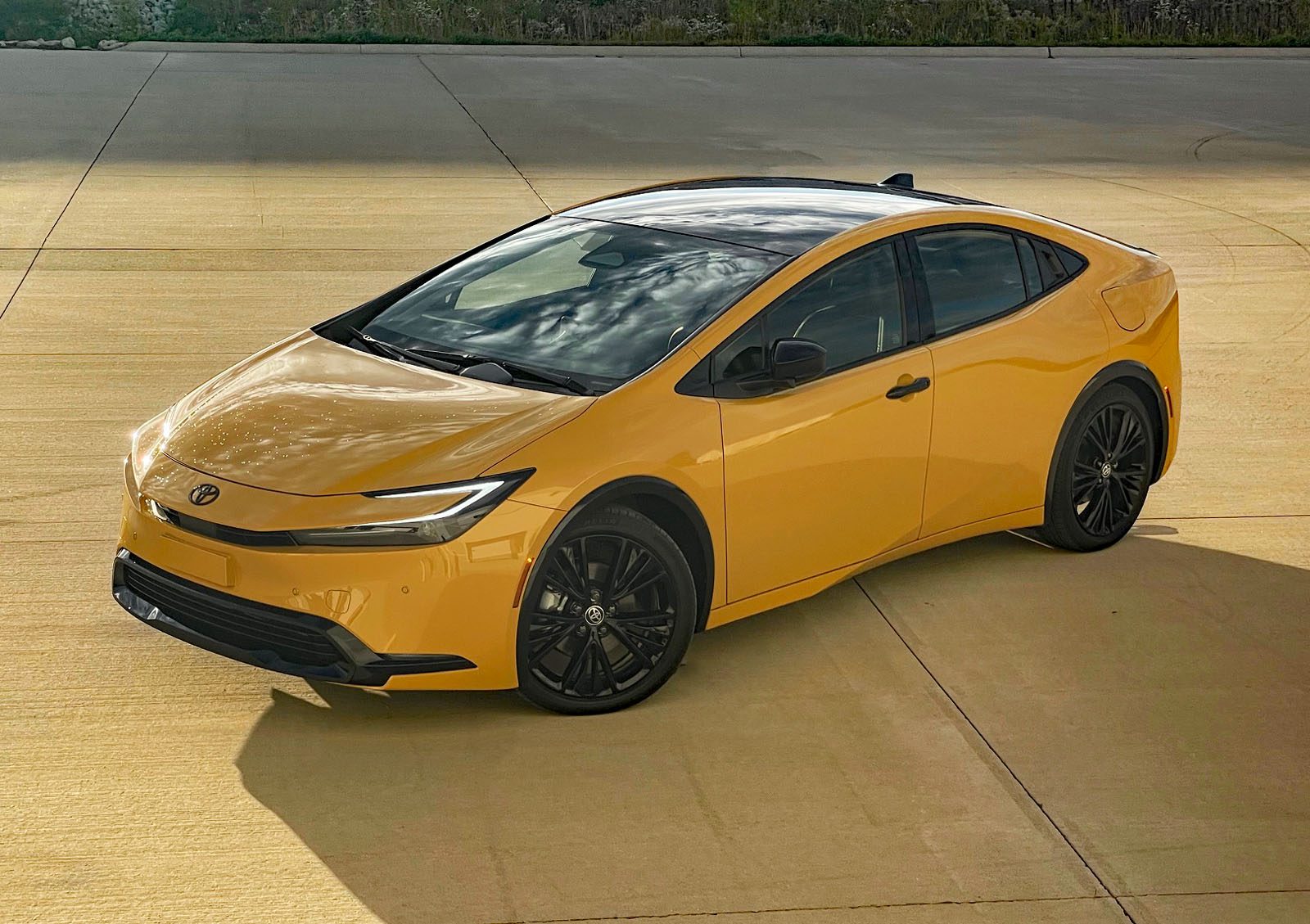
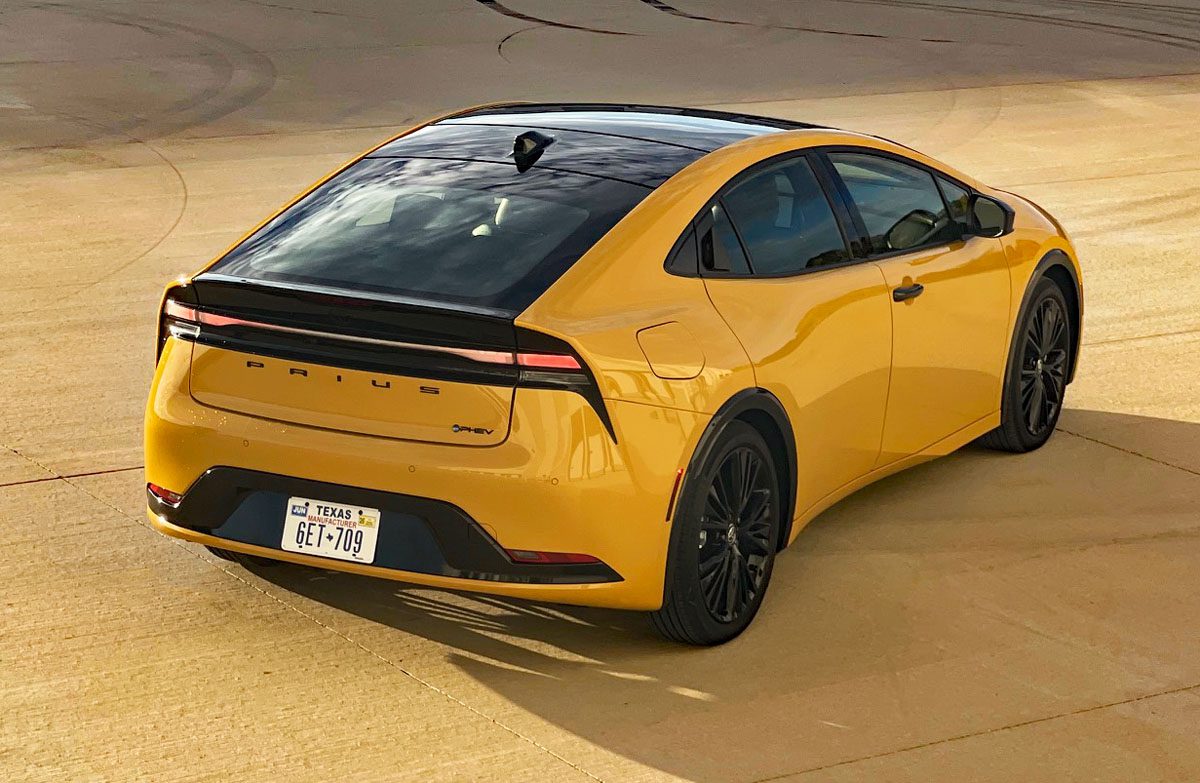
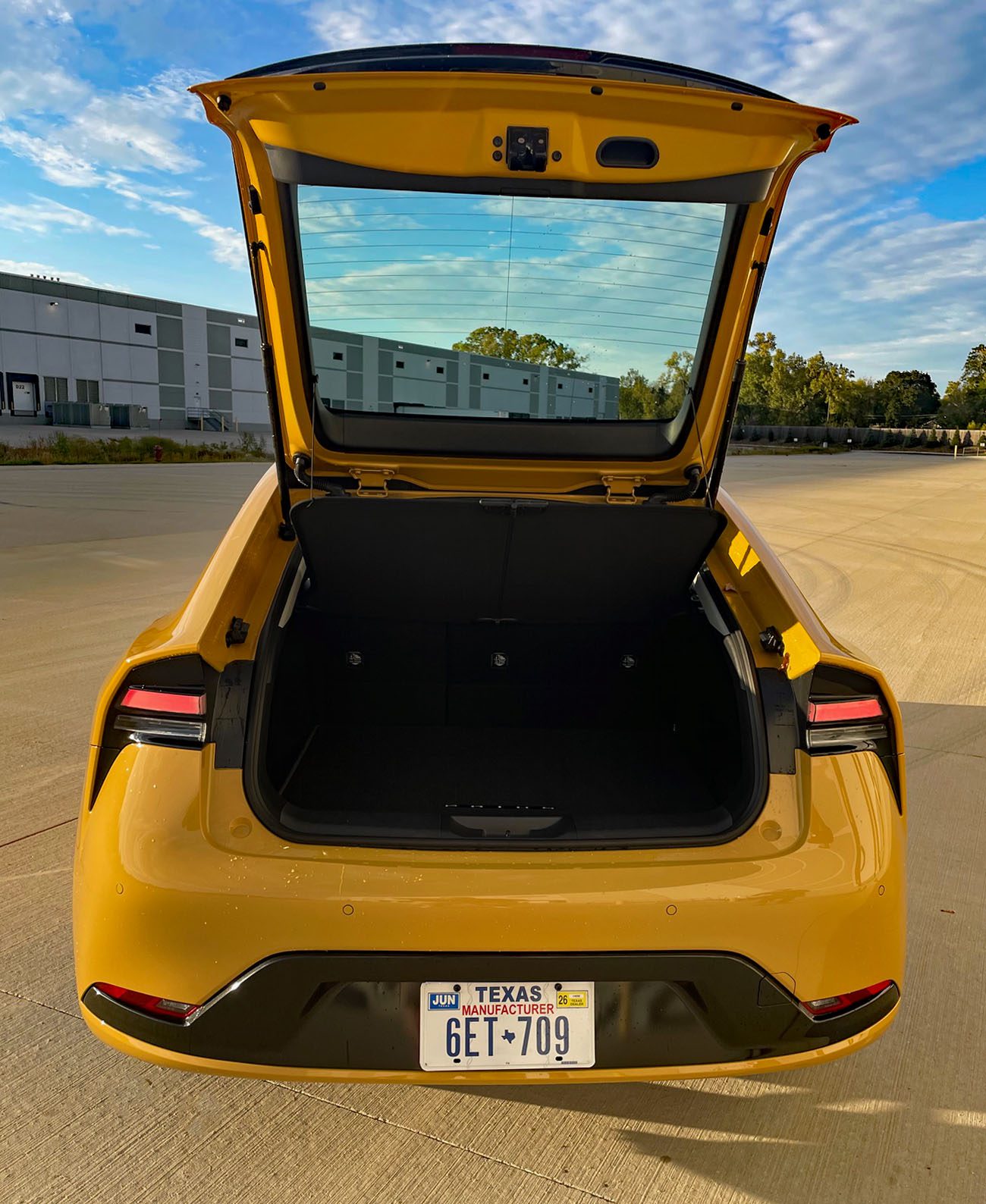
The redesign did take a toll, however, reducing interior space somewhat, and compromising cabin access—this due to the new lower roofline. But the new design is fresh, and Toyota has been playfully offering the updated Prius in fun colors, including Karashi, as seen here.
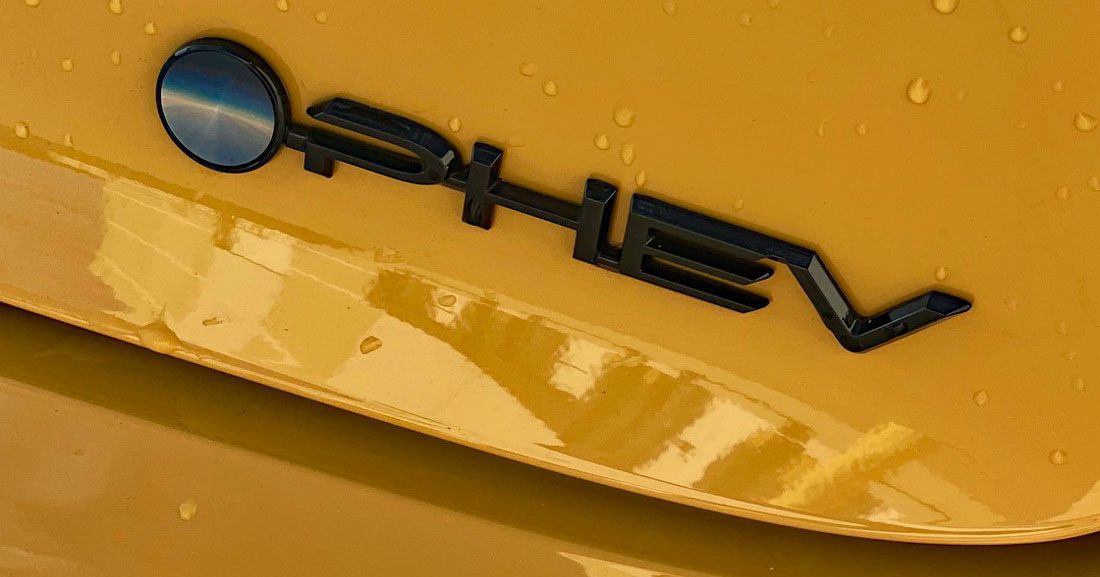
In addition to being the first good looking example, the current Prius also boasts a plug-in hybrid powertrain—dubbed PHEV for 2026–something only one other Toyota model, the RAV4, can claim.
So, is the Prius Toyota’s only sexy plug-in hybrid? We’d argue yes, but question whether that alone will command sales. Luckily, the Prius PHEV Hybrid is also a very good car.
Trim Levels and Prices
For 2026, the Prius PHEV family expands by one trim level. Here’s the lineup:
- SE ($34,970)
- XSE ($38,220)
- Nightshade ($38,990)
- XSE Premium ($41,665)
The PHEV is offered in the same trim levels as the conventional Prius, which each running about $5000 higher than the standard car.
Nightshade
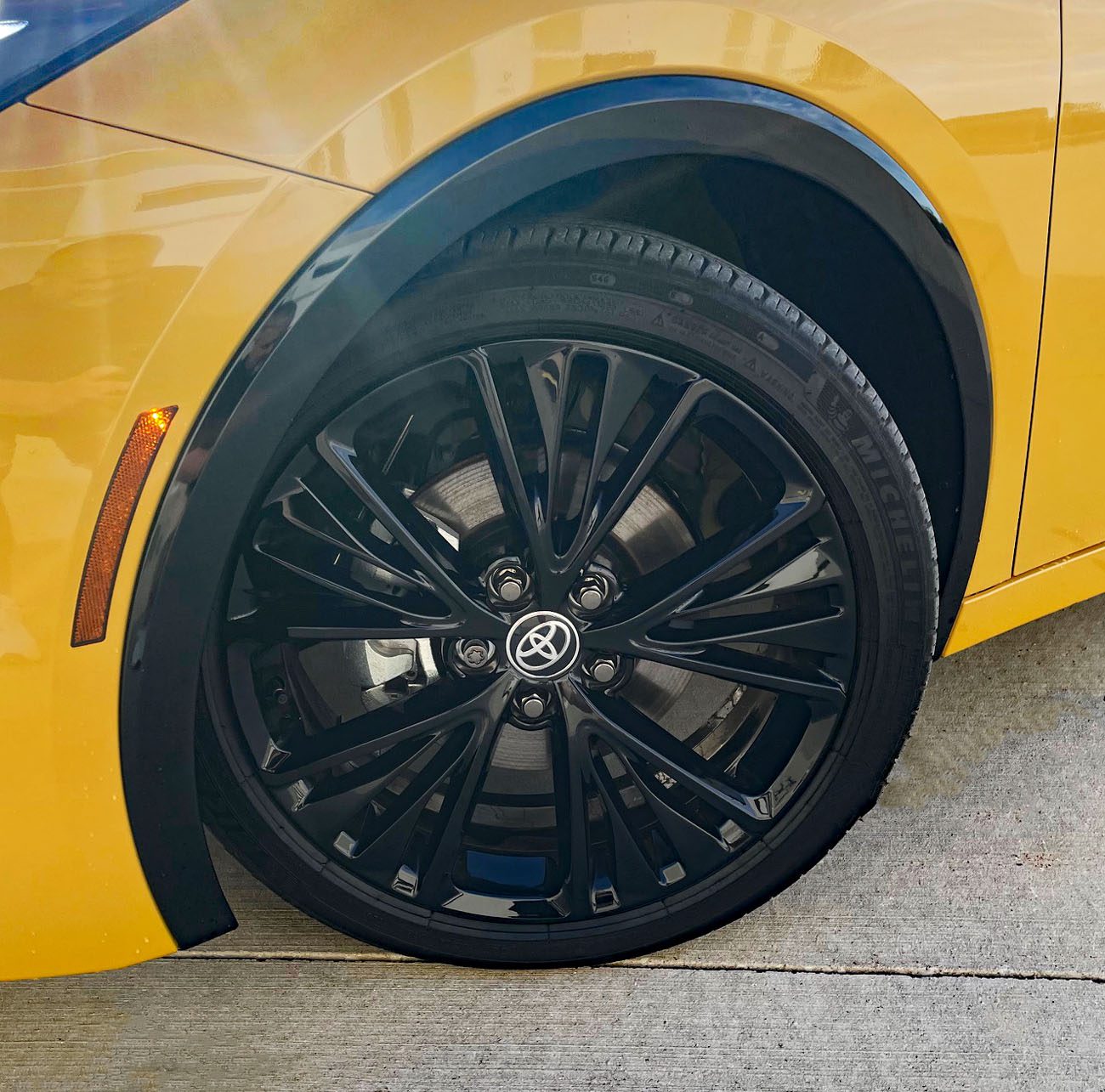
The new Nightshade builds on the XSE, adding black wheels and blackout exterior trim, specific faux-leather upholstery, and simulated carbon-fiber cabin trim elements. The Nightshade is also offered in exclusive exterior colors, such as Karashi. For just $770, we’d say the move up the Nightshade is worth the money, provided you like the look.
Engines
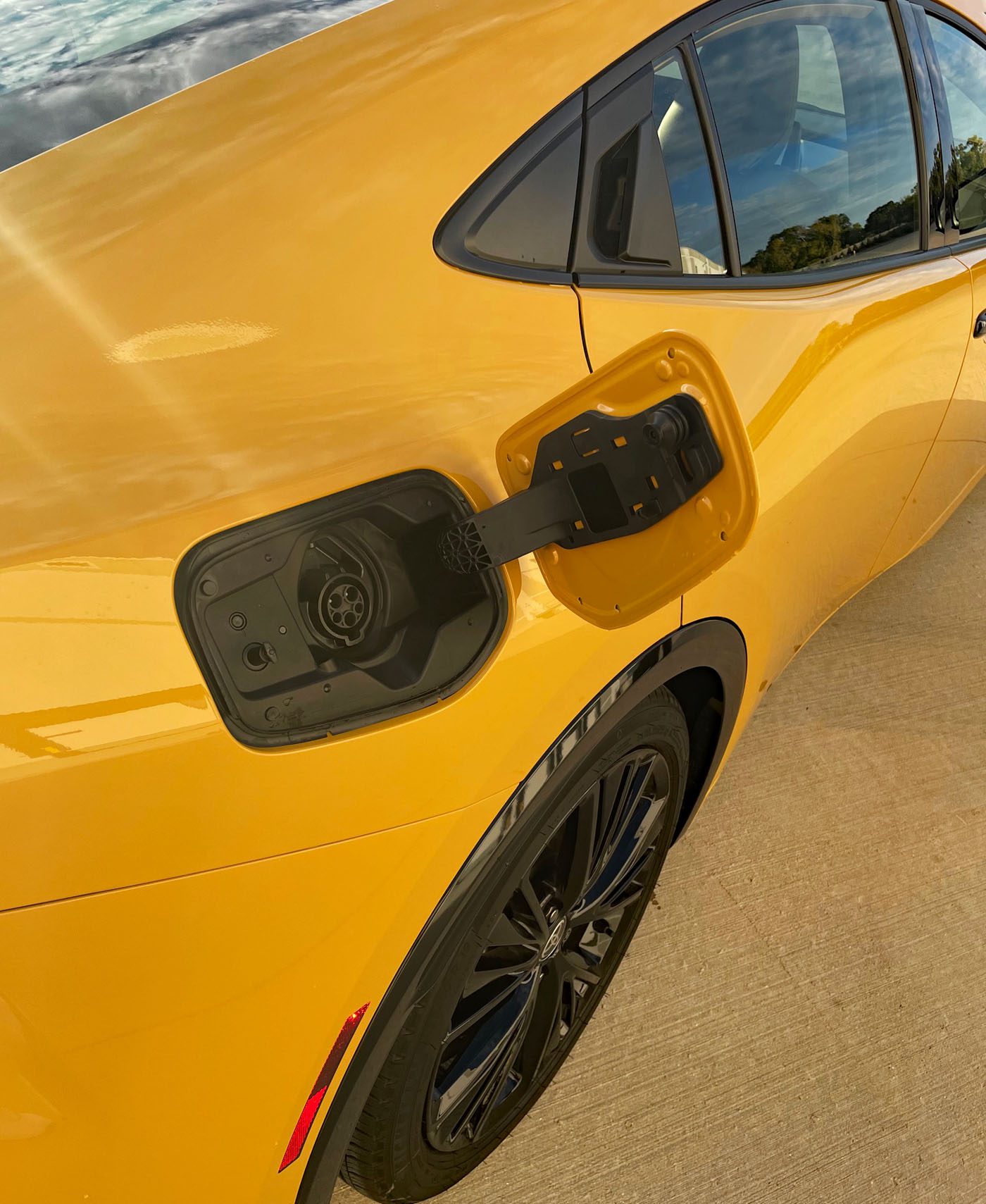
While conventional Prii (that’s the actual, Toyota-approved, plural of Prius) make do with a 2.0-liter motor augmented with two electric motors, the PHEV adds to that a 16.6 kWh battery and external charging. The PHEV is rated at a combined system output of 220 horsepower, 26 more than the front-wheel drive conventional Prius. Note, too, that the standard Prius can he had with AWD, which the PHEV cannot.
Fully charged, the Prius PHEV promises up to 44 miles for the SE trim level with its smaller wheels, and 39 miles for other PHEV variants.
Test cars
Consumer Guide recently spent a week behind the wheel of a 2026 Prius PHEV is Nightshade trim. Including destination charge, our test car came to $41,304.
Refinement
We discuss often how smooth a plug-in hybrid vehicle can be while operating only on battery power, and the Prius PHEV is no exception. But unlike a number of plug-in cars and crossovers we’ve tested, the Prius remains reasonably refined after transitioning to conventional gas/hybrid operation.
Power and Perfomance
Indeed, Toyota’s mastery of hybrid technology is such that we doubt most consumers would realize they were driving one of the brand’s hybrids unless alerted to the fact.
Power is good, too. In fact, the Prius PHEV feels darn right sporty—very much unlike previous generations of the legendary fuel miser. Handling is tight and nimble, the brakes feel pretty good, and the steering is firmer and more connected feeling than in most small sedans. The drivetrain even sounds a little saucy, something for which hybrids are generally not known.
Fuel Economy
Additionally, over 100 miles of routine testing, with one full battery charge, we averaged 90.9 mpg, proof that the plug-in hybrid model works, providing you actually plug-in.
Our complaints with the Prius, the few we have, come inside the vehicle. And, generationally speaking, are relatively new to the model.
Room and Comfort
The new rakish roofline, for example, takes a toll on ingress and egress. Taller folks used to getting into and out of a Prius with relative ease, need take heed of the roofline, as bumping your head on the way into the front row is not out of this question. Take this editor’s word for it.
Ride Comfort
Ride quality, too, is a strong point. The Prius PHEV handles rough road surfaces with athletic finesse, and rarely allows even a serious road imperfection to filter into the cabin. The plug-in Prius also settles in nicely on the highway, and the cabin is generally hushed at road-trip speeds. Add in comfortable seats and this miserly Toyota makes for a fine long-trip vehicle.
Cabin Appointments
Also, though spiffed up a bit in Nightshade trim, the Prius cabin trails most other compact cars in terms of cabin materials. Though the Prius PHEV interior looks tidy and modern, there’s too much exposed hard plastic for our taste.
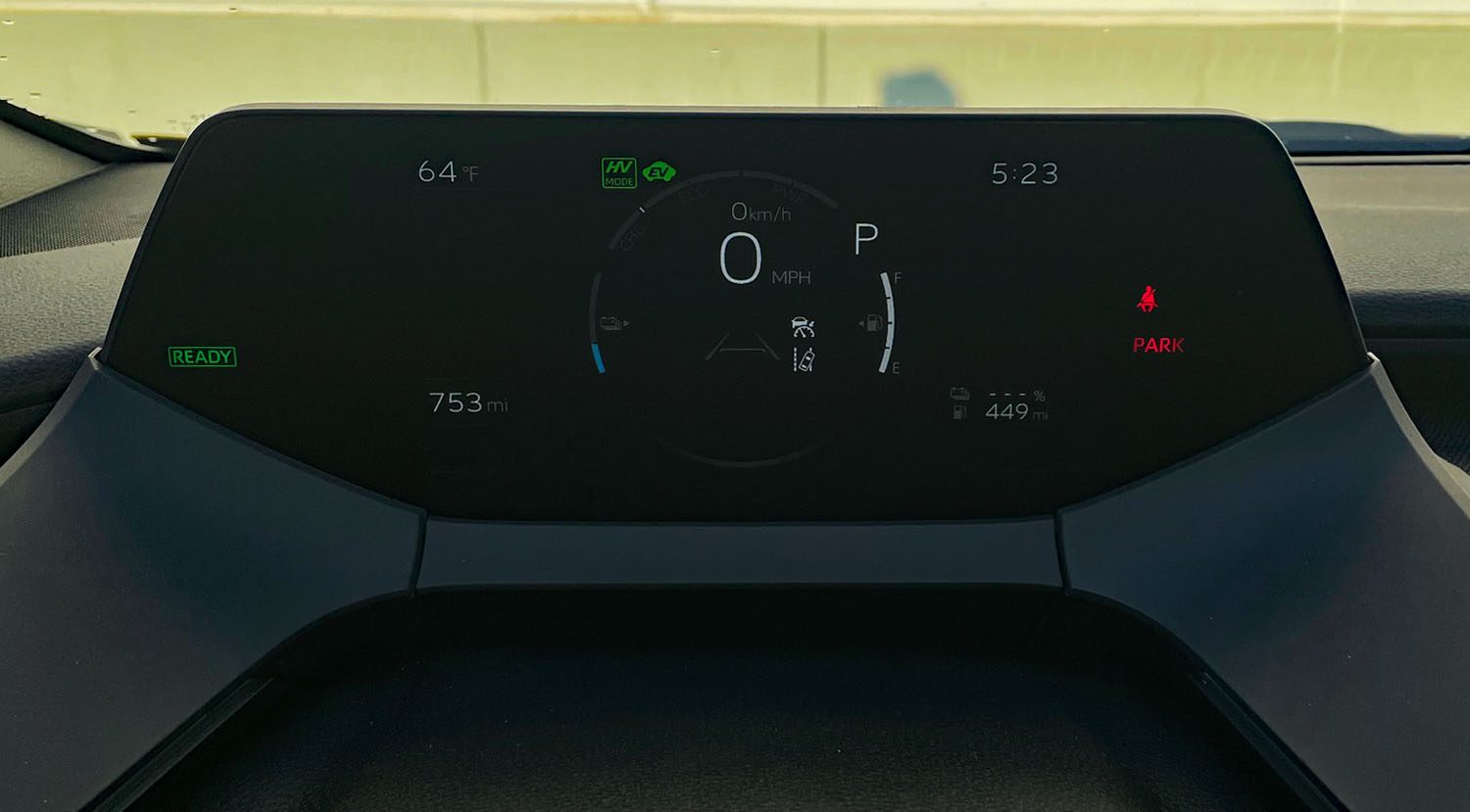
Additionally, we aren’t fans of the compact instrument panel. The panel is borrowed from the brand’s BZ4x electric compact crossover, and requires taller drivers to look over the steering wheel—not through it—to see the digital display. The panel is tidy and easy to read, but this tall editor found the viewing angle awkward.
Rear-Seat Space
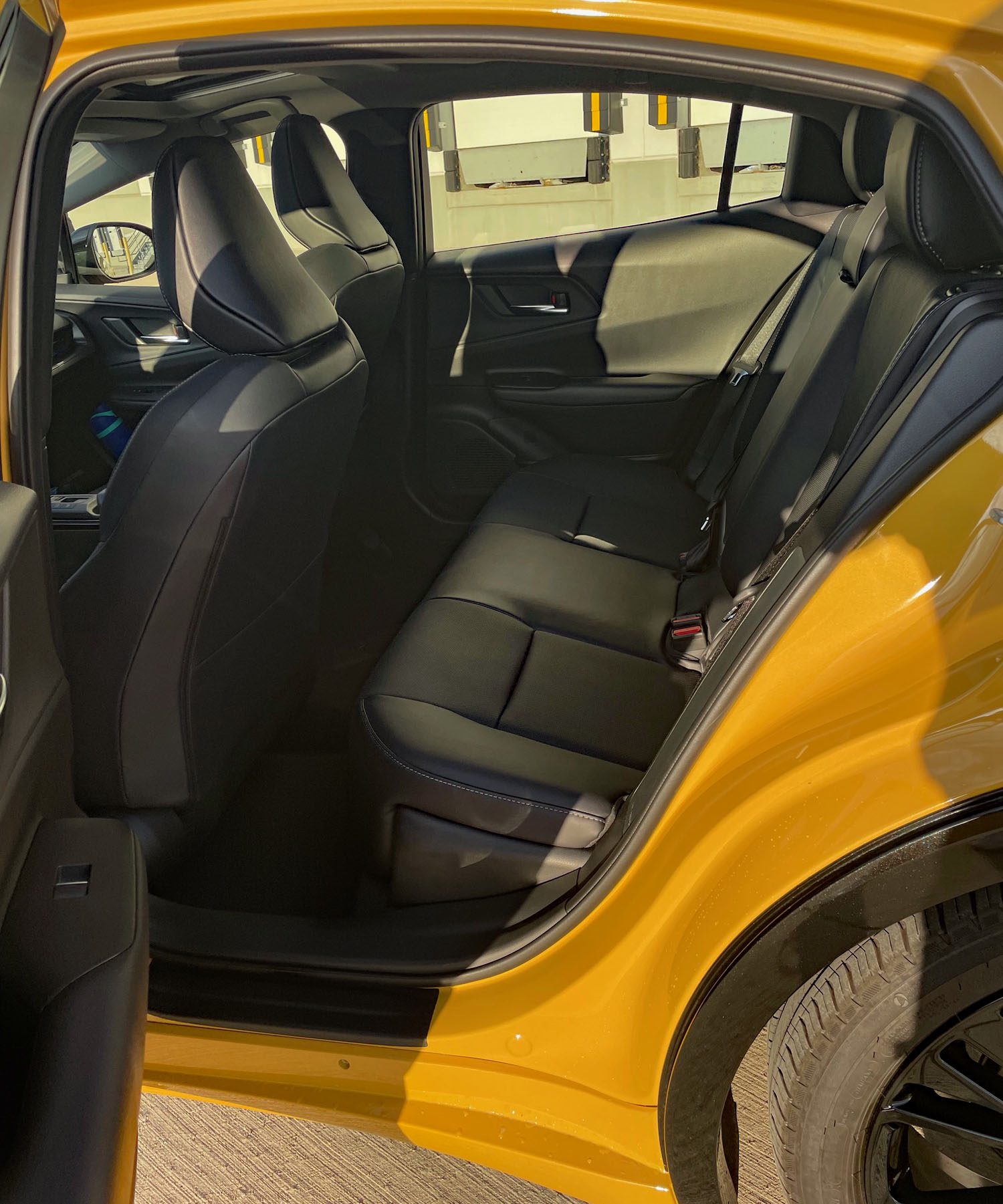
As for the rear seating area, passenger space is limited, and best left for pre-teens and petite adults.
Value
No, the Prius is no longer a frumpy, roomy, gallon-pinching miser, but that’s mostly a good thing. We appreciate the car’s sexy-svelte good looks, sporty character, and still-impressive fuel economy. And, going the plug-in PHEV route makes all sorts of sense to us—providing you actually plug in (really, plug it in). For childless couples, or families looking for a thrifty second car, the Prius PHEV demands your respect—even if it is going though something of an identity crisis.

Listen to the Car Stuff Podcast
2025 Toyota Prius Nightshade PHEV Pictures
Click below for enlarged images