
Text by Tim Healey
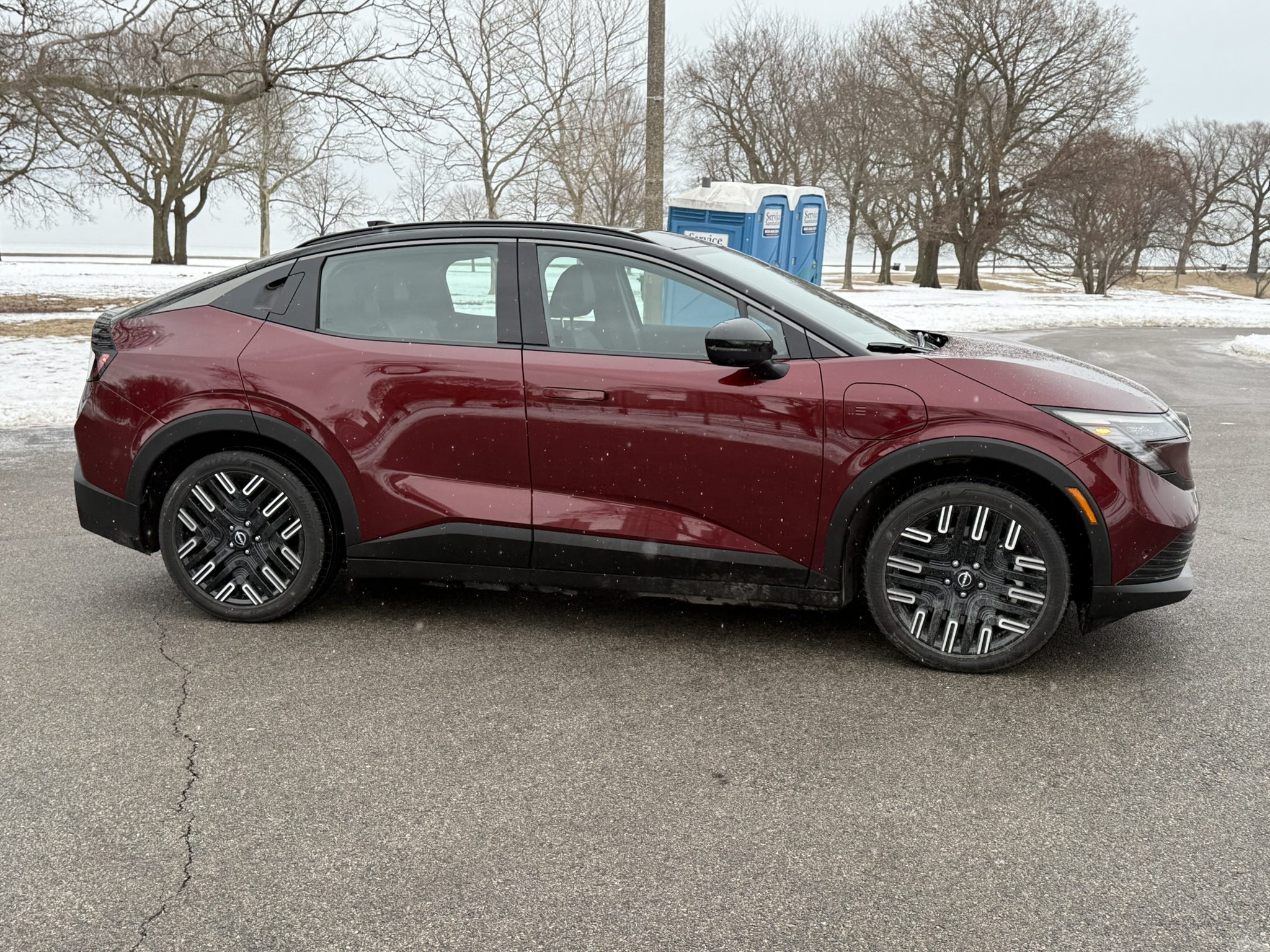
2026 Nissan Leaf Platinum+ Review
Base price: $38,990
As Tested Price: $41,930 (incl. $1,495 inland freight & handing)
Review
The Nissan Leaf, which was one of the first mainstream electric cars on the market, was always a bit of an odd duck. Stylistically, the Leaf always looked like a negative caricature of an EV – like something out of a Family Guy episode mocking EVs. Not only that, but Nissan put itself on something of an island by pursuing the CHAdeMO charging standard while just about every other OEM started using the North American Charging Standard (NACS).
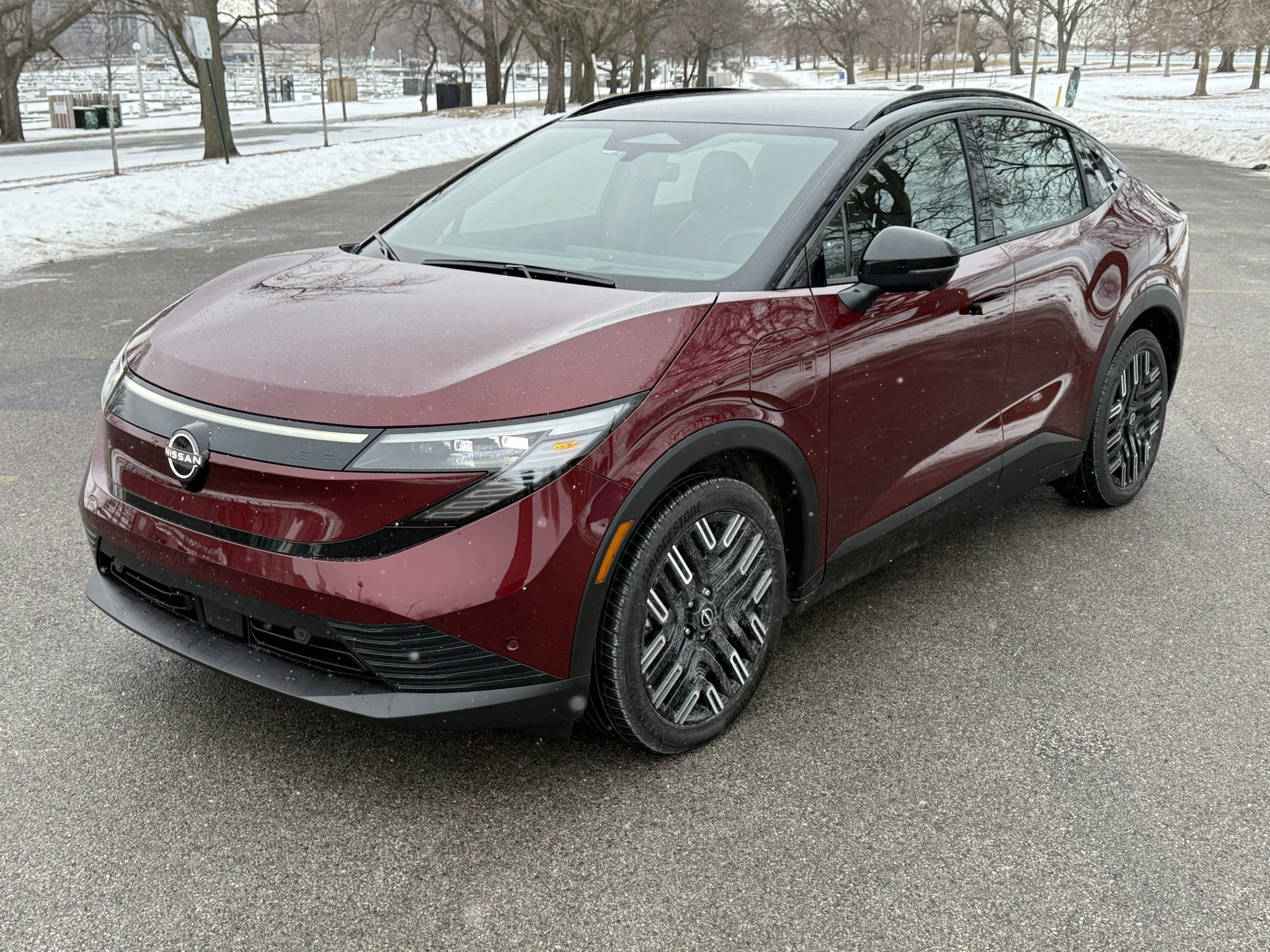
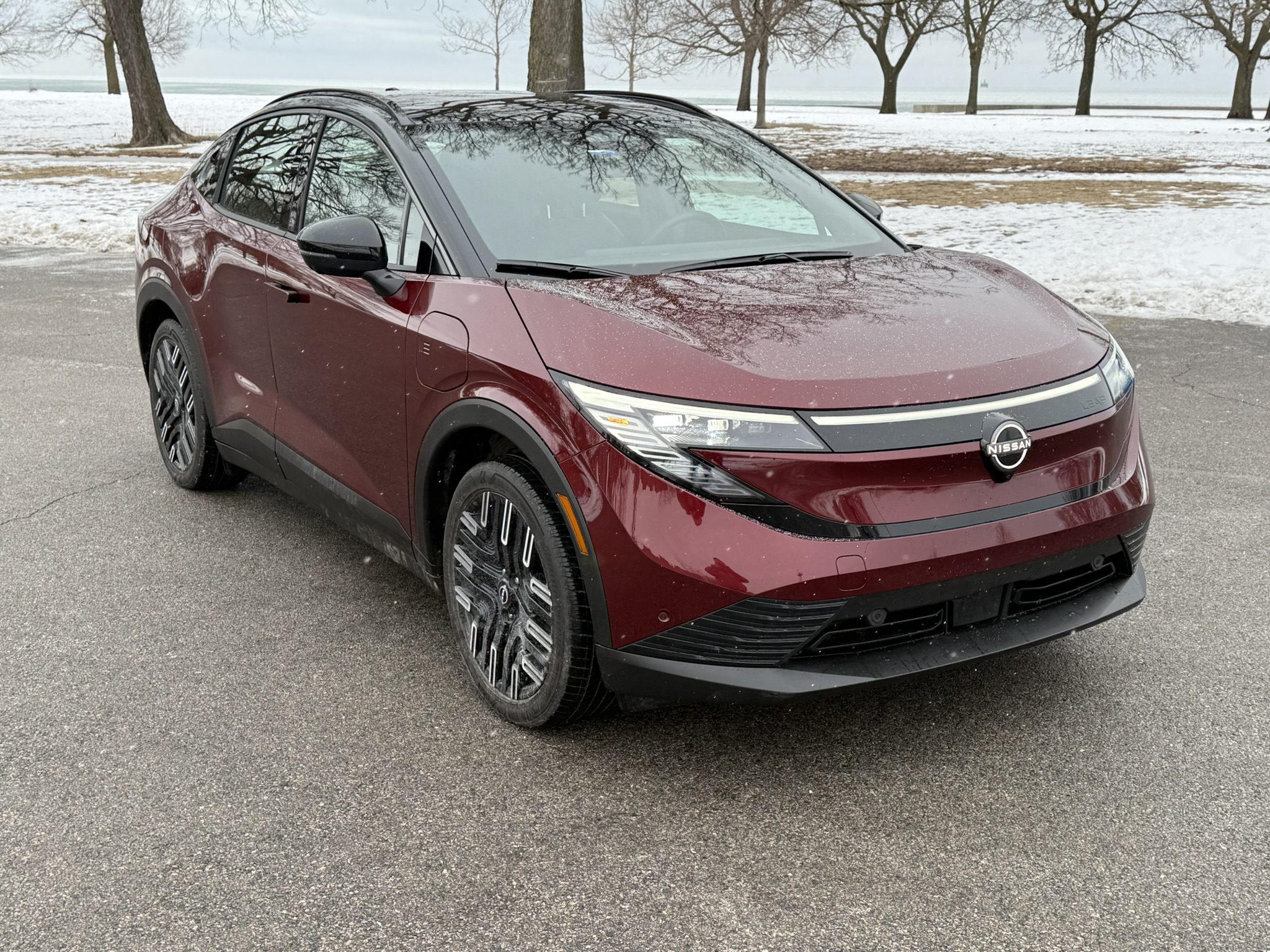
Nissan’s third-generation Leaf addresses the previous car’s flaws nicely while still maintaining a personality that allows it stand out. It was once the class weirdo no one wants to talk to, and now it’s the slightly geeky kid who’s still a tad odd but much more normal.
No AWD
Nissan passed on the chance to go all-wheel drive with this one. There’s one electric motor (214 horsepower/160 kW) up front and nothing on the rear axle. The battery is a 75 kWh lithium-ion unit. Torque comes in at 261 pound-feet.
Less Distinctive
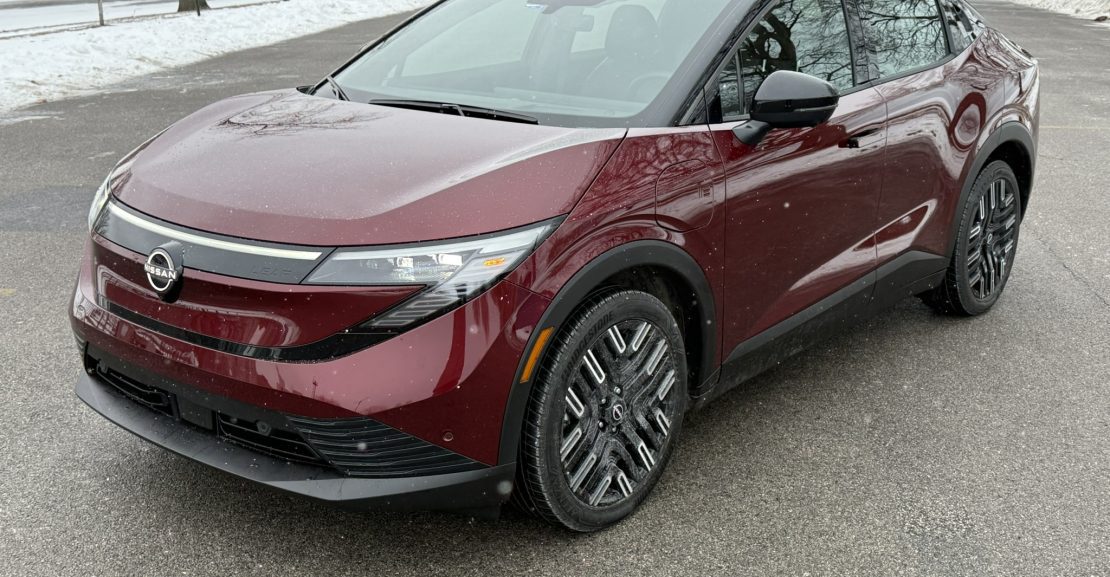
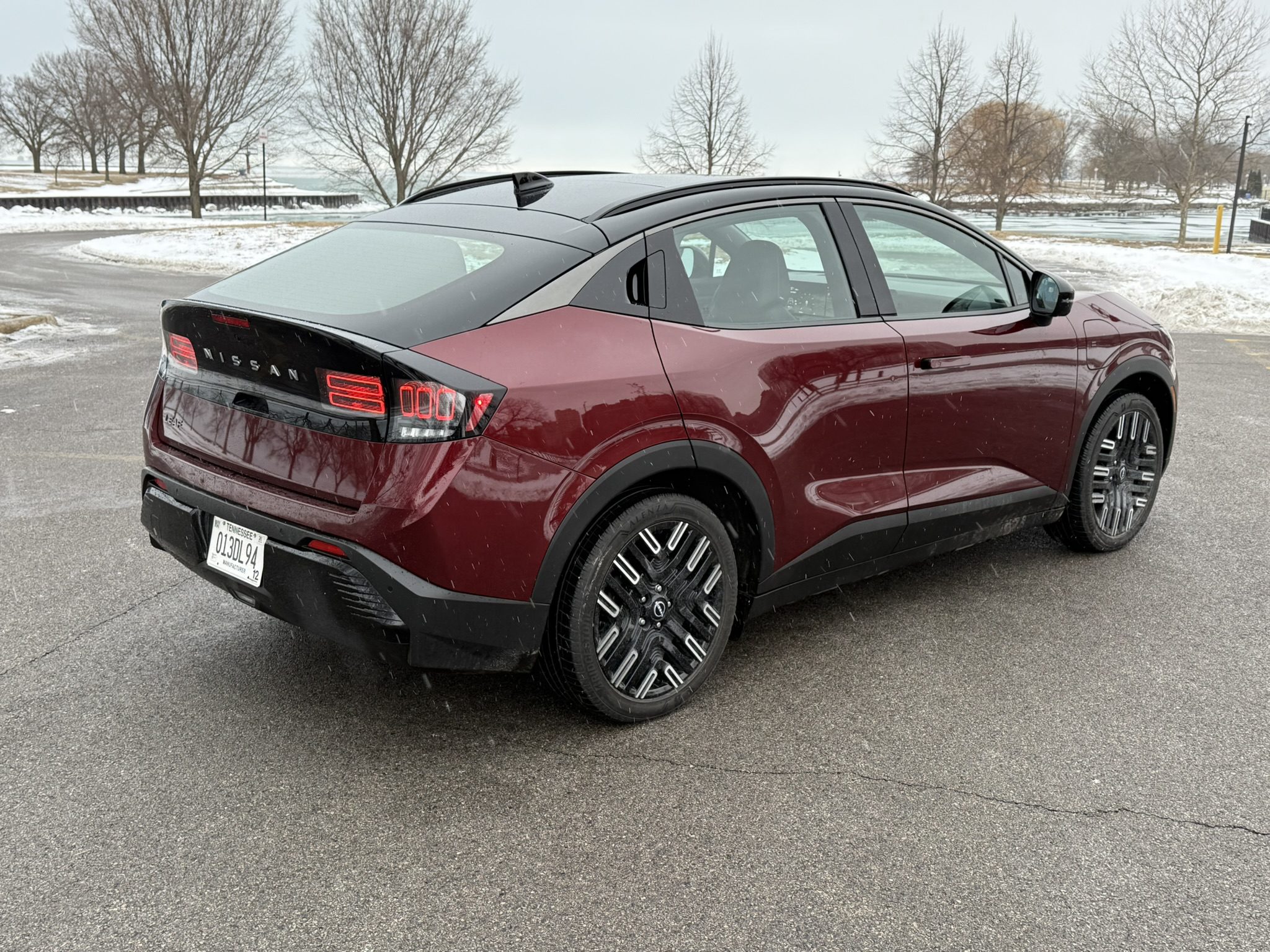
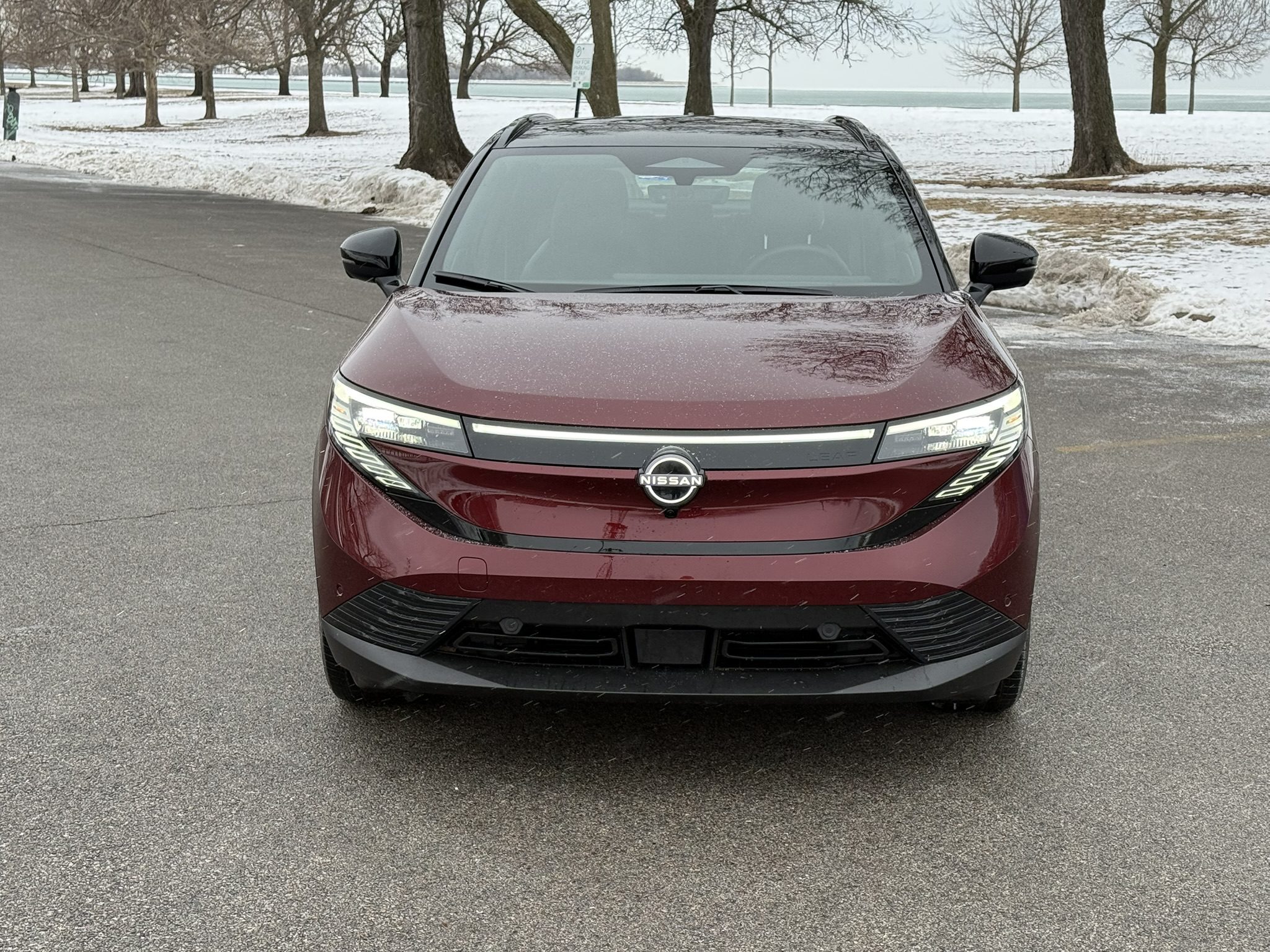
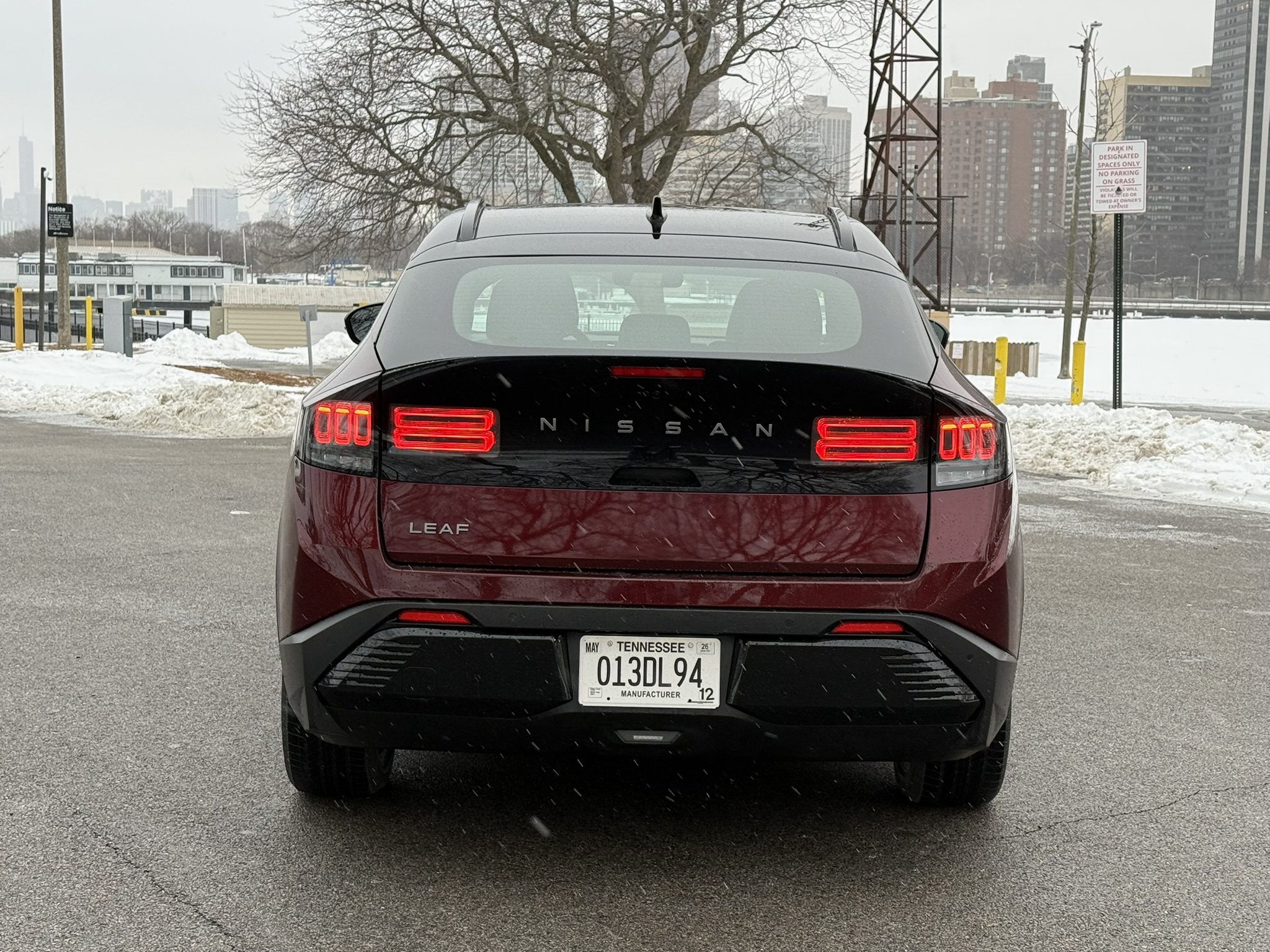
While car’s looks are still distinctive, the overall theme is still much more mainstream than it was before. That applies to the cabin, too–the inside blends form and function nicely.
More Range
The previous Leaf was pretty much a short-range urban EV. It’s easy to park in the city, and lacking the range for longer trips. The new Leaf has a much more respectable range of 259 miles.
Better Commuting
The new Leaf is a much a better commuter. It’s engaging to drive with more-than-decent power, and like most EVs, you can summon the torque right off the bat from a stop. It’s no sports car, nor does it pretend to be, but it handles engagingly enough for urban duty. The steering does lack feel, but the car moves more sharply than one would expect.
Nice Riding
The new Leaf blends sport and comfort nicely, though it’s more about being smooth than sporty. It’s not stiff, at least. Paddles exist to allow the driver to dial in the desired amount of regenerative braking.
Inside
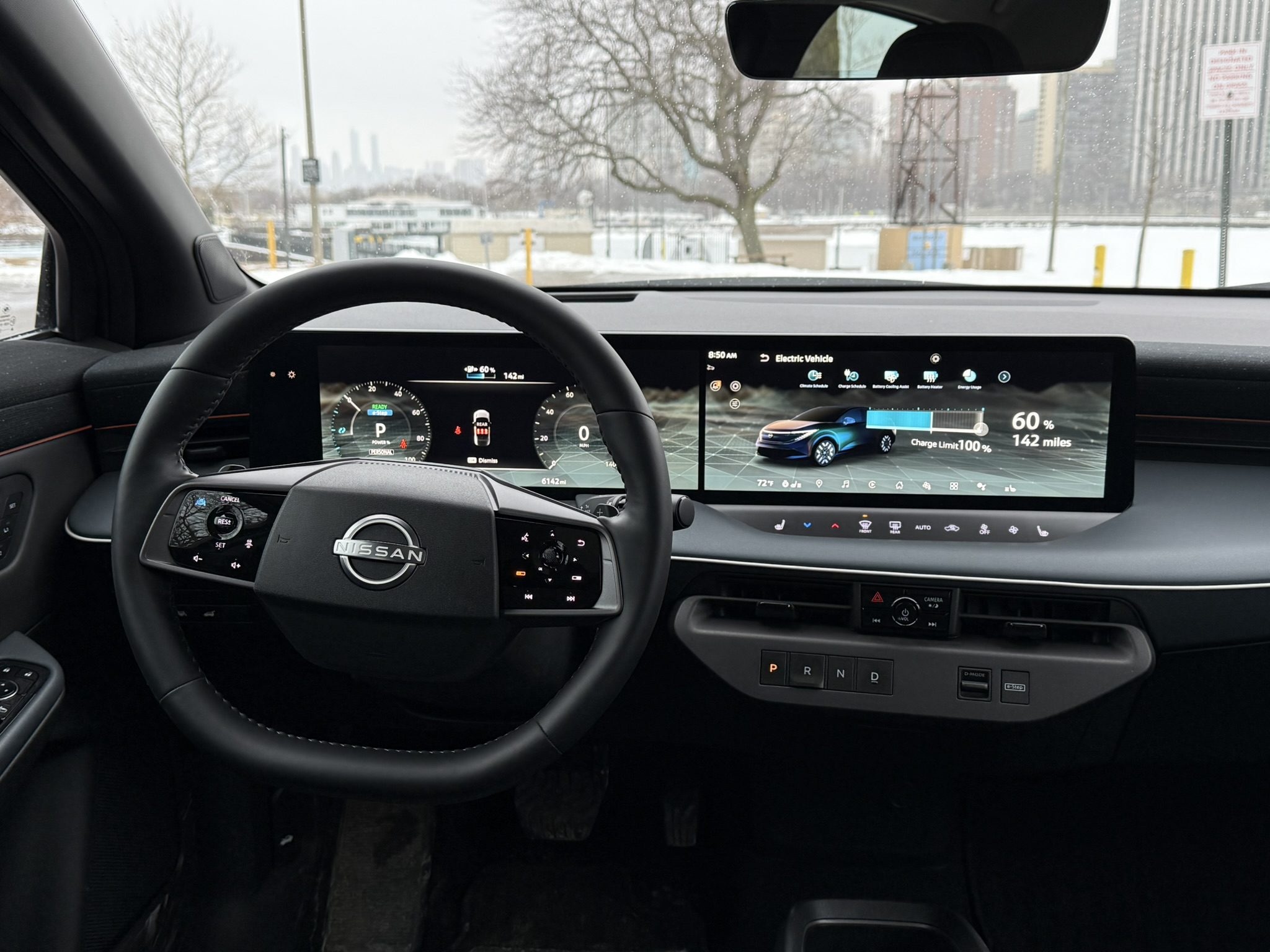
Occupants are greeted with a sweeping dual-screen display that sits aside the dash, and the center stack “floats” a bit above the open footwell. Nissan’s gone minimalist when it comes to buttons, and the HVAC controls use some of the dreaded haptic-touch, but fret not, the controls work just fine here.
The haptic touch controls on the steering wheel mostly work, too, but they can be a bit frustrating.
Room and Comfort
Front-seat head- and legroom are ample, though the sloping roof cuts more into rear-seat head room than this taller driver would like, and rear-seat legroom is skimpier than it should be, as well. Kids and shorter adults will be fine, but taller and otherwise oversize adult passengers won’t be happy campers in the rear for long.
Trim Levels
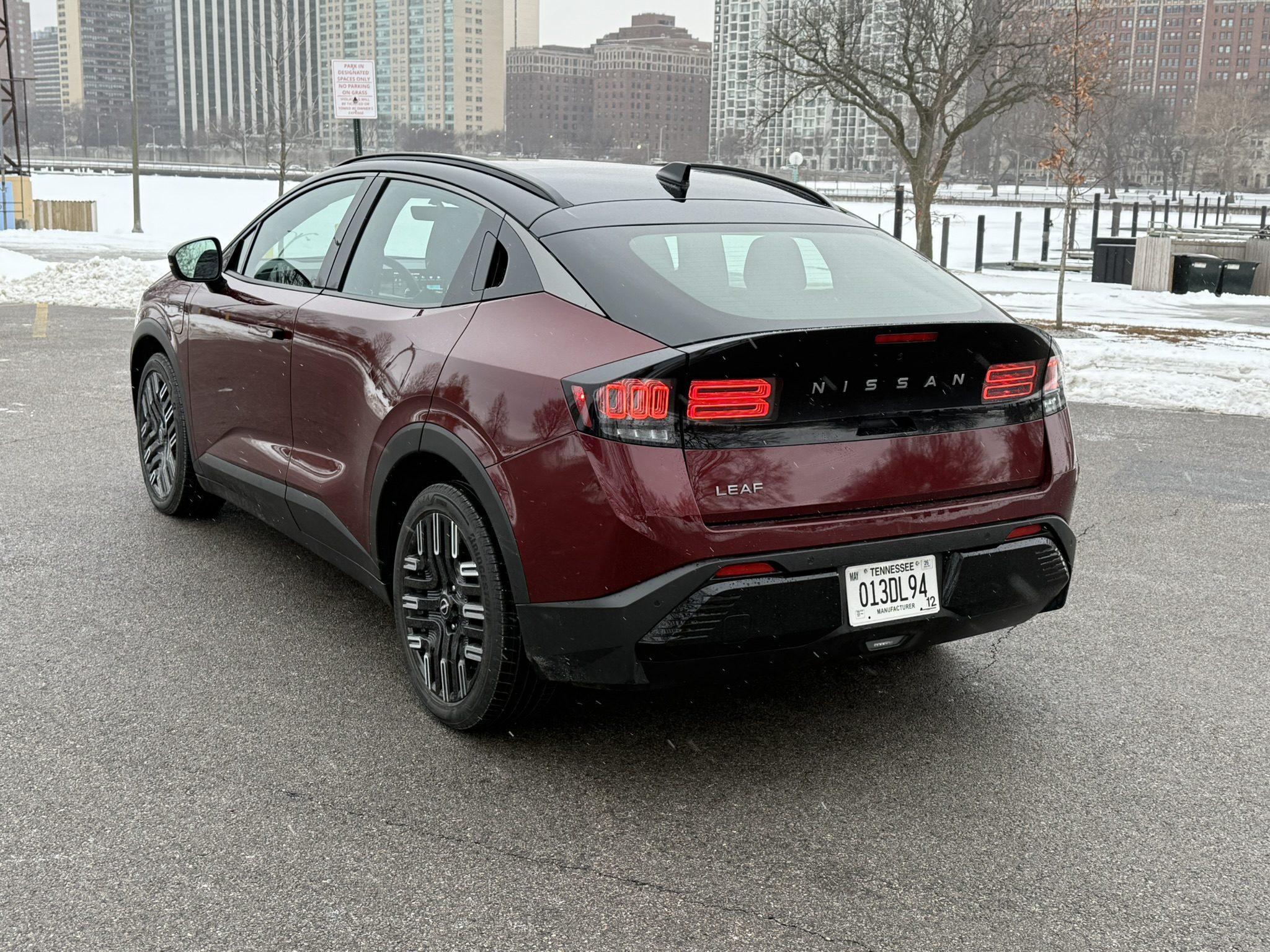
There are three trim levels on offer for the Leaf: S+, SV+, and the Platinum+ I tested. This top trim comes pretty well equipped, with satellite radio, wireless Apple CarPlay, wireless Android Auto, Bose audio with front-headrest speakers, wireless charging, front and rear USB ports, ProPilot assist, keyless entry and starting, heated front and rear seats, head-up display, rain-sensing wipers, panoramic roof with dimming, heated steering wheel, automatic LED lights, and 19-inch alloy wheels.
Safety
Advanced safety aids include high-beam assist, automatic emergency braking with pedestrian detection, lane-departure warning, blind-spot warning, rear cross-traffic alert, around-view monitoring, and intelligent forward-collision warning.
Test Car
That’s all for a base price of $38,990. Add in options for two-tone paint ($800), floor mats ($345), and a battery heater ($300), plus destination charge ($1,495), and the total was $41,930
Never Charged
Nissan says 10 percent to 80 percent quick charging would take about 35 minutes. The EPA suggests that charging on a 240-volt outlet would take 12 hours. Nissan now has the Leaf on the NACS standard. This now also allows Leaf drivers to use Tesla supercharging stations. There’s also a traditional CCS charge port.
Also Consider…
The Leaf still needs some work to be truly competitive. Other EVs offer more range for similar or not much more money, and others are more stylish or fun to drive. The Hyundai Ioniq 5 comes to mind. An SE version of that car offers more range for just a tick more cash.
One can also spot downmarket materials in the Leaf if one looks too closely.
Value
Still, it’s a solid commuter car for those who are looking to go EV. It’s relatively engaging to drive, it’s smooth when cruising, its styling is more attractive, and the interior is a nice place to do business. A skoosh more space and some more range are the biggest wishes.
The 2026 Nissan Leaf is much, much, improved. There’s work to be done, but unlike the previous car, you’ll be happy to invite it to the party.
Tim Healey is an experienced automotive journalist and editor. He’s had bylines at Consumer Guide, Web2Carz.com, AutoGuide.com, and elsewhere. Most recently, he was the managing editor at The Truth About Cars. He also dabbles in sports with bylines at Fighting Irish Wire and Da Windy City. He lives in Chicago.
Listen to the Car Stuff Podcast
2026 Nissan Leaf Platinum+ Review Pictures