


Hybrid and Electric
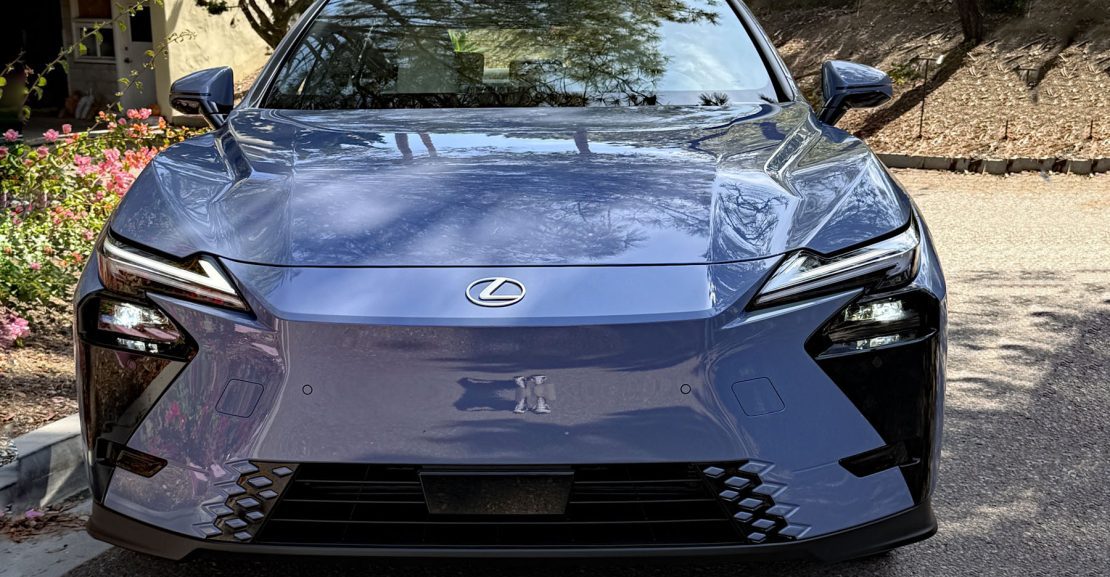
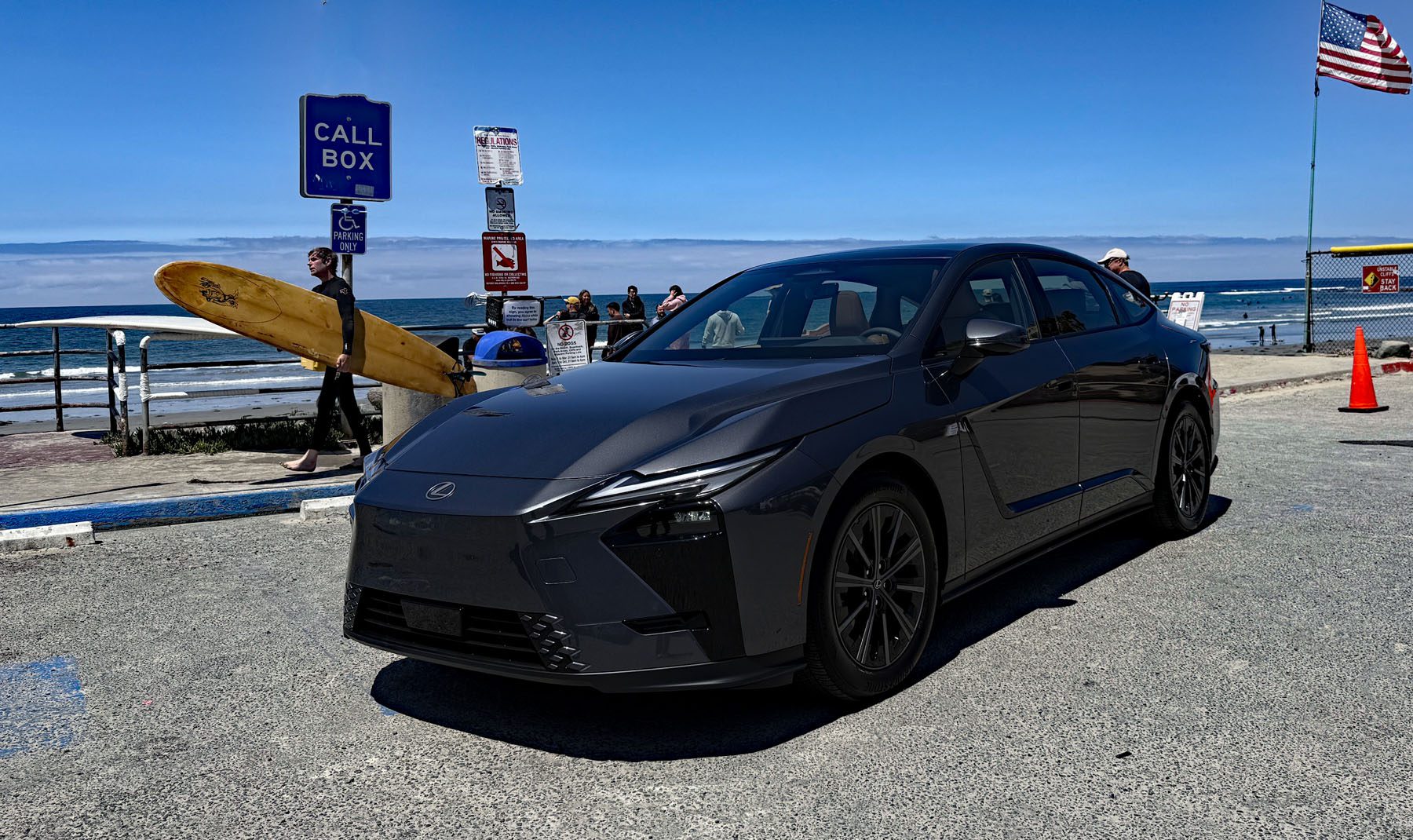
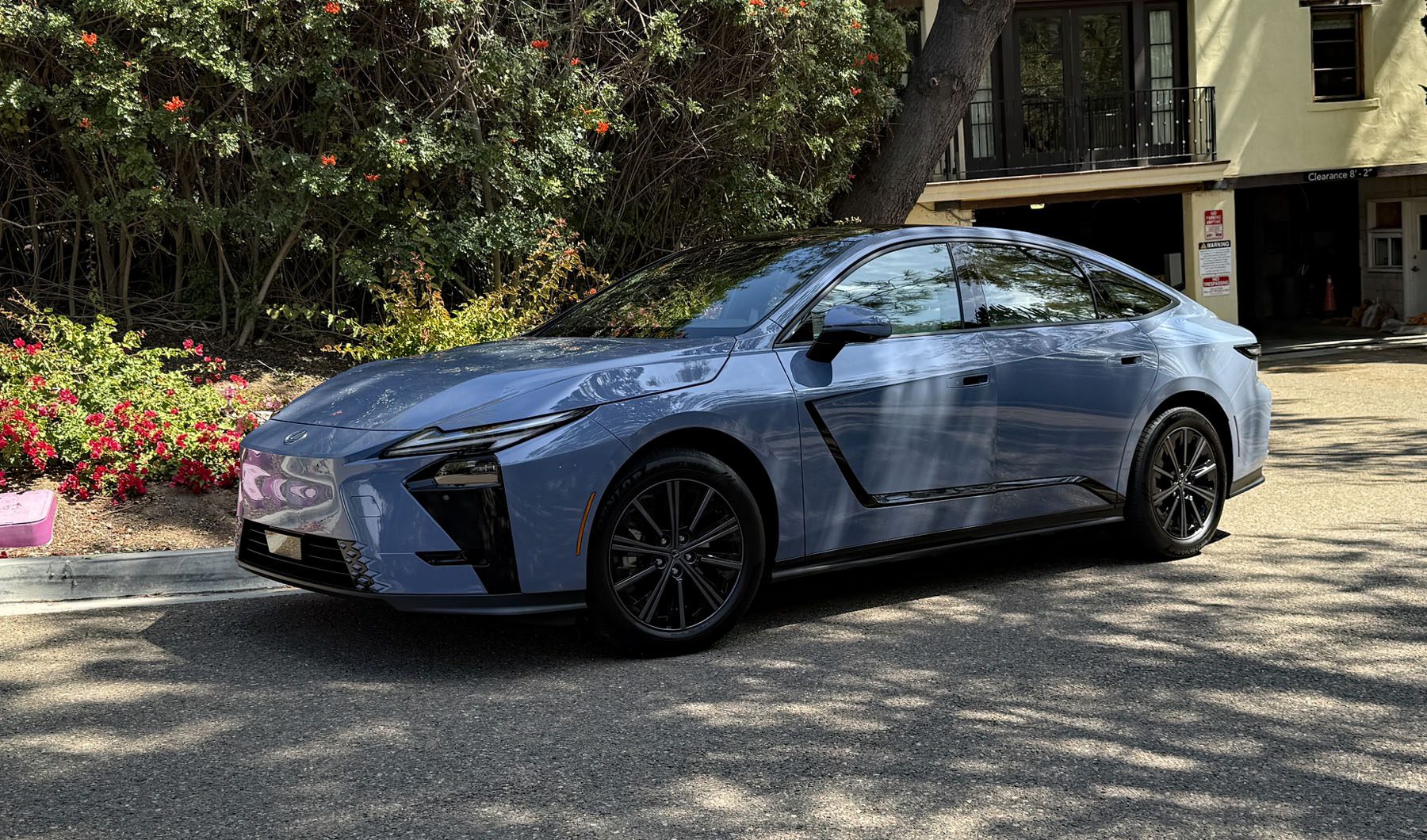
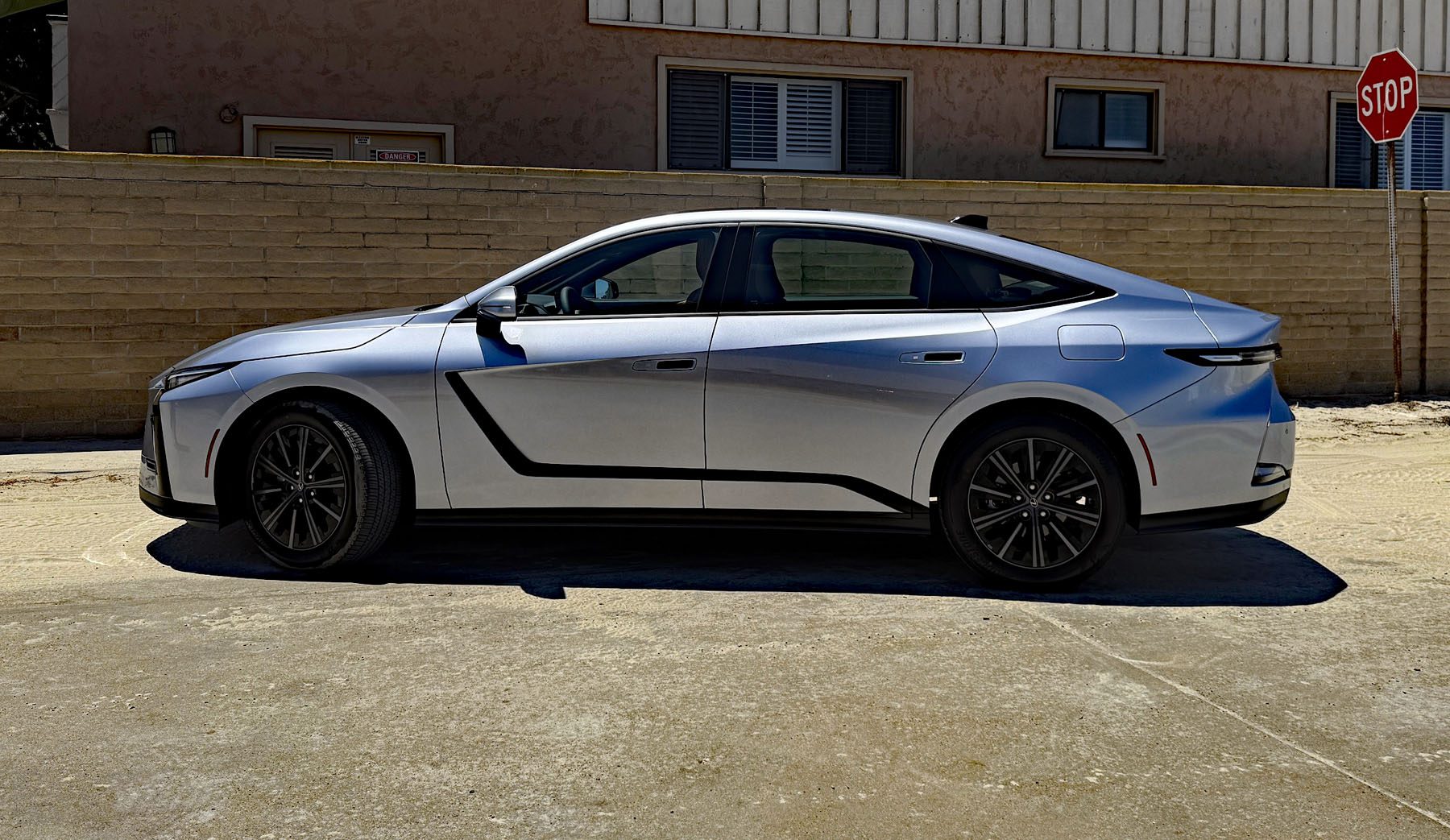
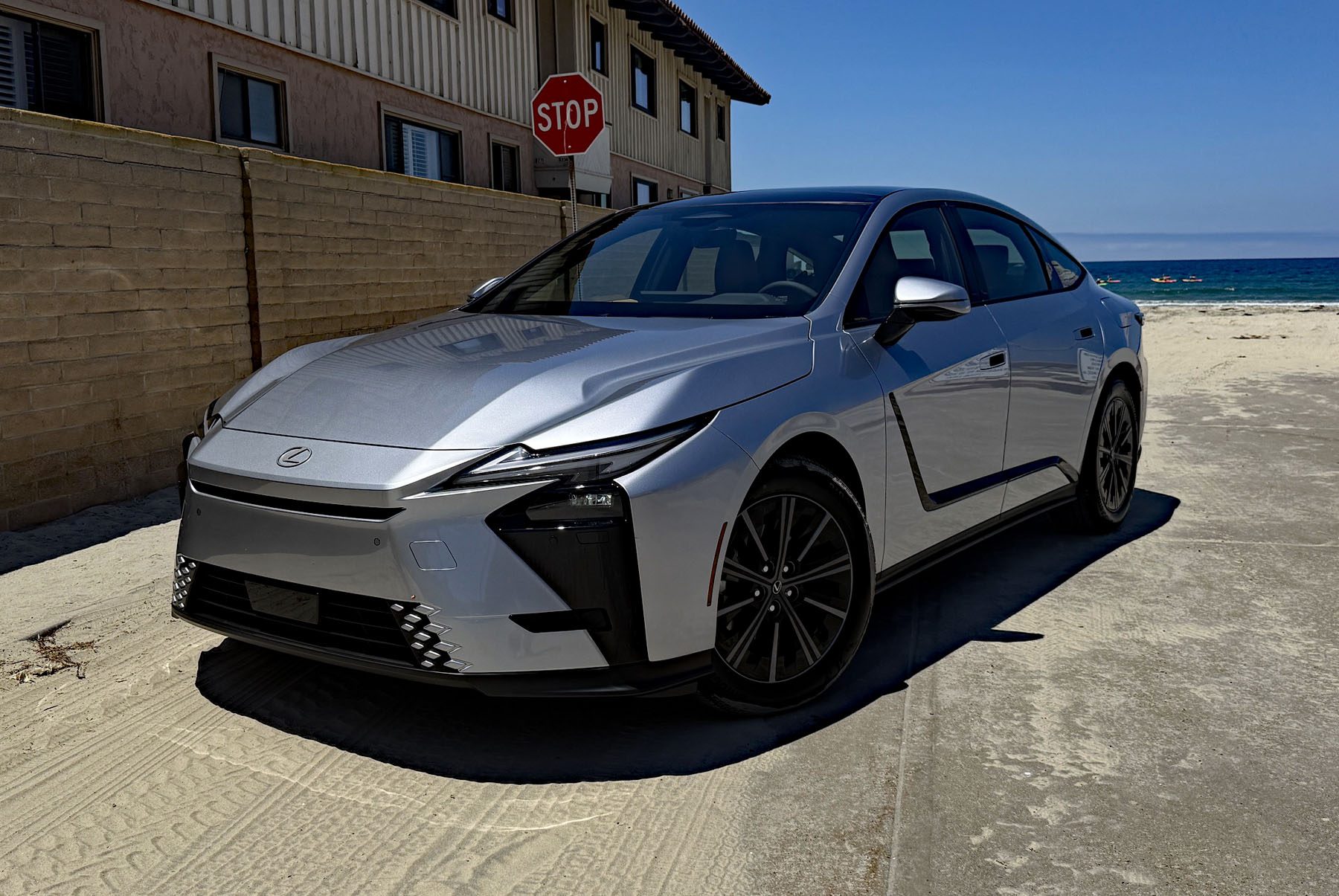
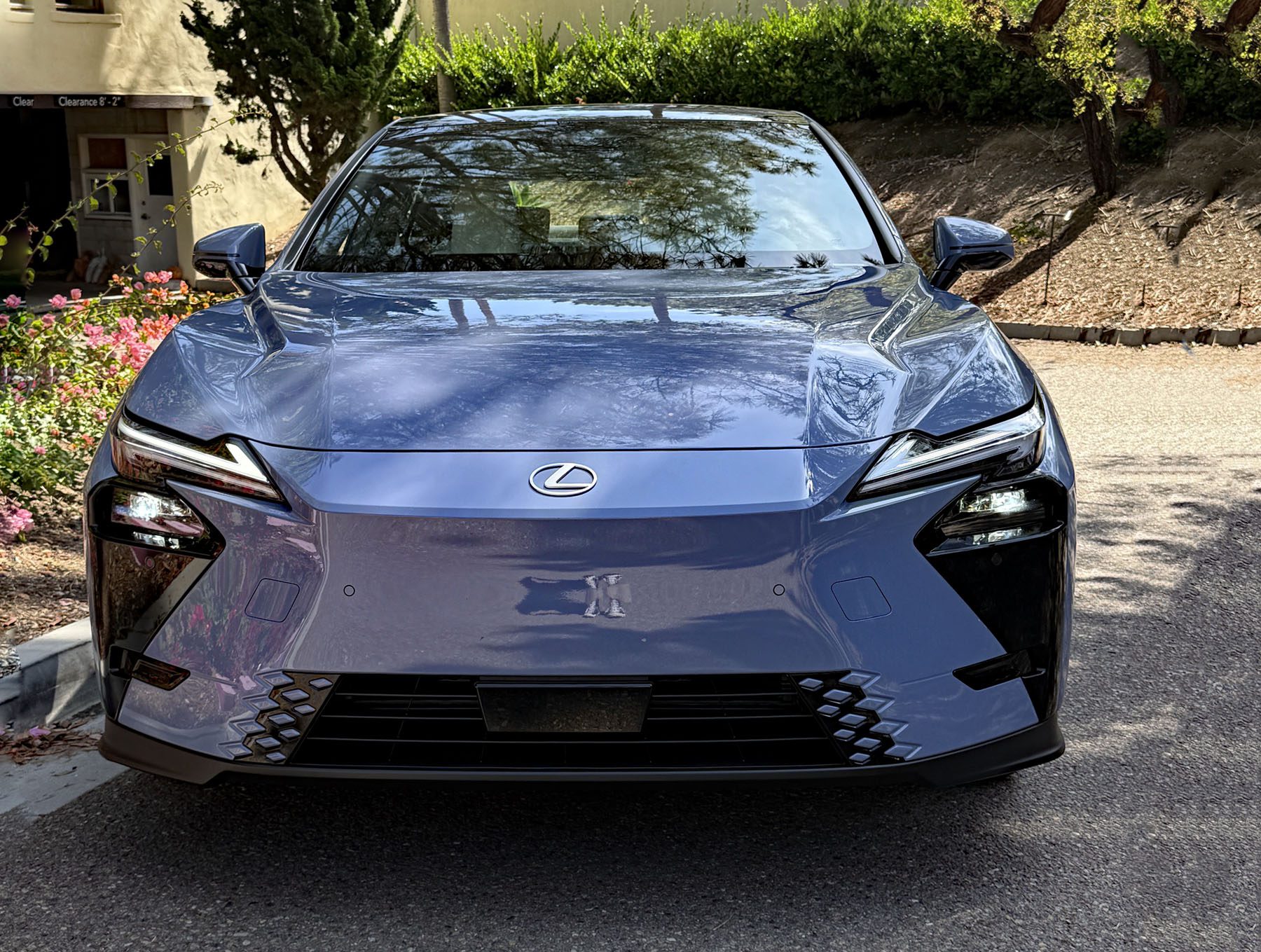
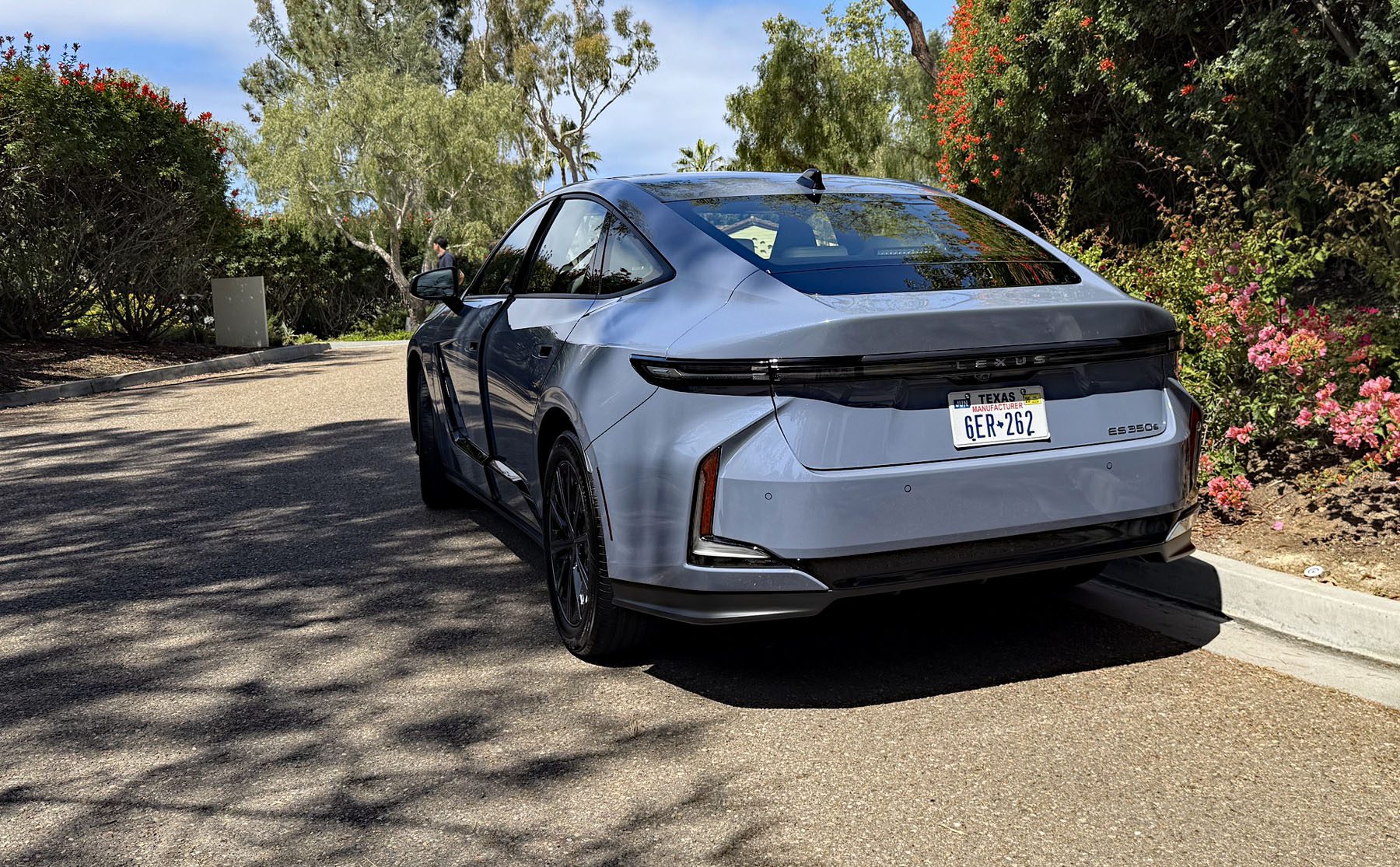
If you looked at the 2026 Lexus ES hybrid and electric vehicles next to each other, you’d be hard pressed to notice the difference. Inside and out, the two vehicles are nearly identical. Of course, you could look for the tell-tale “h” or “e” badging on the back, but the big, and really only, difference is going to be on the nose. The hybrid has a horizontal slot on the grille to allow for airflow to the engine. The EV does not. But that’s it.
2026 Lexus ES
As the Lexus ES enters its eighth generation for 2026, it marks the first time a single Lexus nameplate offers both electric and hybrid powertrains. Previously, it has separated the “regular” vehicles from the electric with different badging. For example, the RX is a midsize gas, hybrid, and plug-in hybrid vehicle, whereas the RZ is a compact to midsize electric vehicle. I’m not sure if this will become a “thing” at Lexus though, since the brand has concurrently launched the new TZ, a three-row electric SUV, separate from the TX, a three-row gas, hybrid, and plug-in hybrid SUV.
Big Shoes to Fill
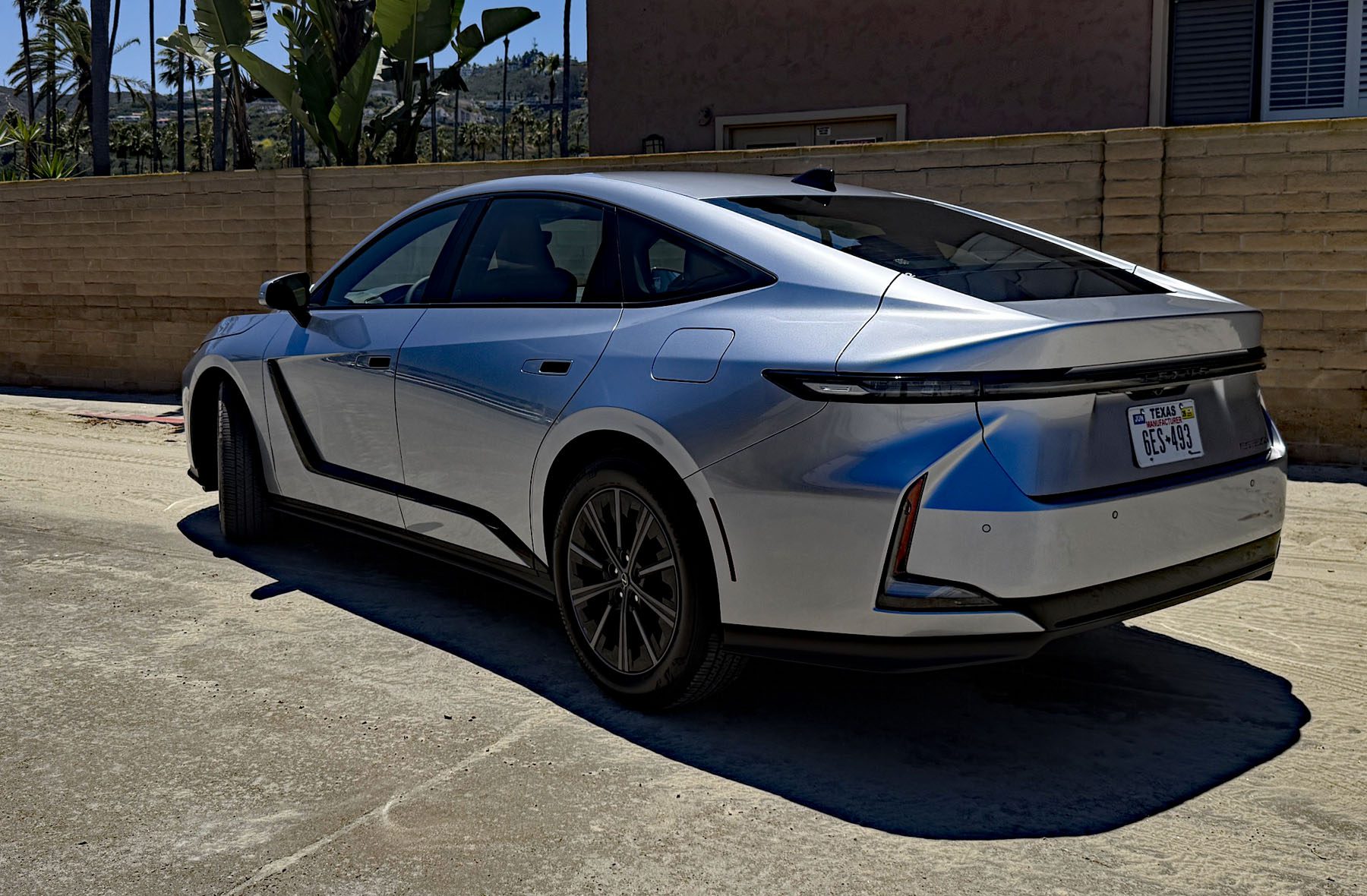
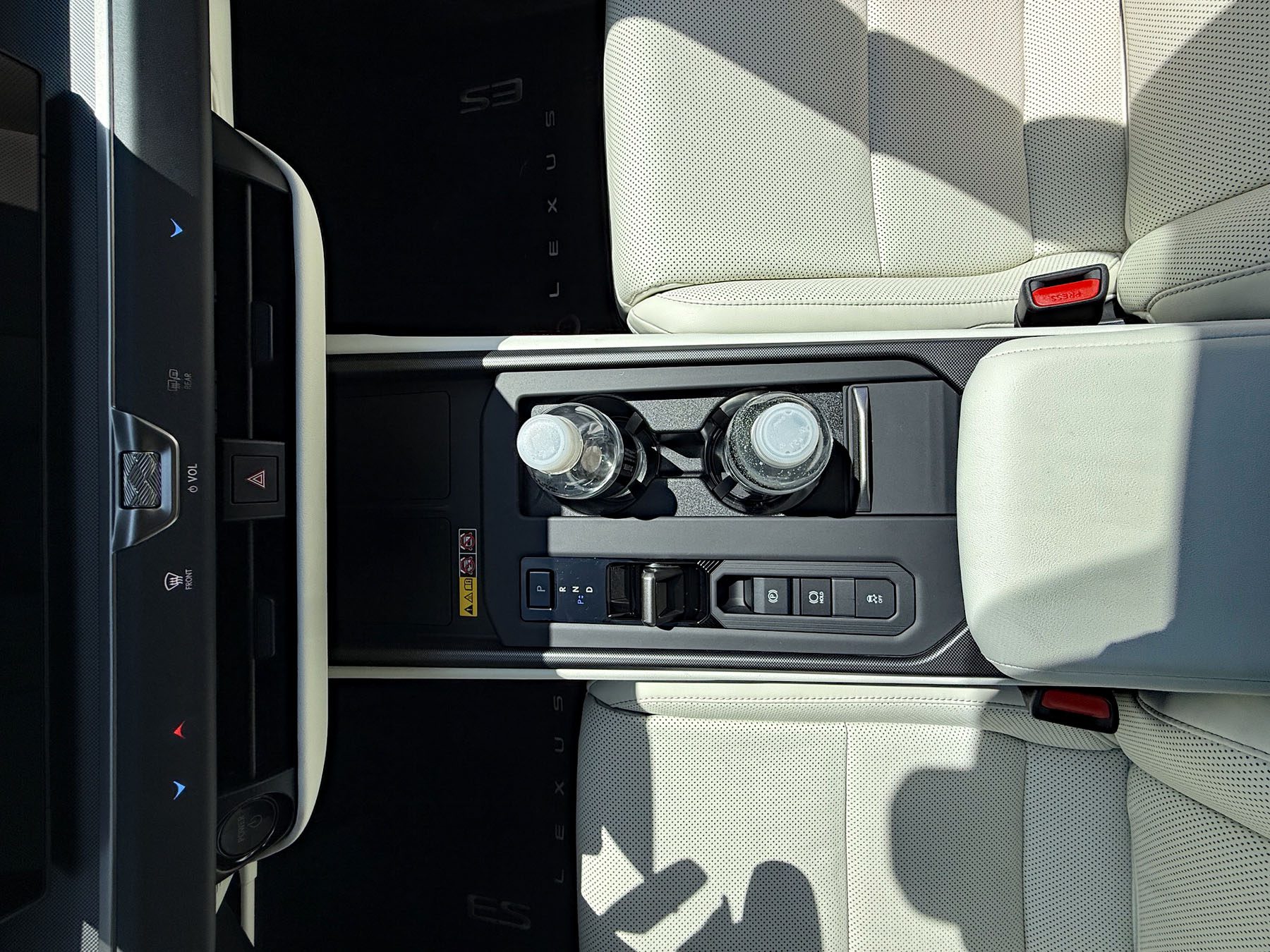
With the departure of the full-size Lexus LS sedan from the lineup, the Lexus ES grows up. Literally. It is 2.2 inches wider, 6.5 inches longer, and 4.5 inches taller than the outgoing model. With its larger proportions, it adds extra passenger volume–especially in the back seat. It doesn’t quite hit full-size sedan status, but you can see how Lexus is trying to woo some of its former LS owners.
One thing that doesn’t get bigger? The trunk. The 2025 model had 13.9 cubic feet of cargo space, and the 2026 model shrinks to 13.3 cubic feet. It’s also worth noting that that the rear seats of the ES still don’t fold flat to allow for transporting bigger items.
Engines
The eighth-gen ES is built on the very flexible TNGA-K platform, which includes everything from the Toyota Camry, Crown, and Sienna to the Lexus RX, TX, and TZ. Which means it can handle gas, hybrid, plug-in hybrid, and electric powertrains.
The ES hybrid bears the 350h badge, and it is equipped with Toyota’s sixth-generation hybrid system, which we also see in the all-new Toyota RAV4. It consists of a 2.5-liter four-cylinder gas engine, an electric starter-generator and a motor-generator integrated into an electronically controlled continuously variable transmission. Total system output is 244 horsepower, and the ES 350h is available in both front- and all-wheel drive. The EPA estimates it’ll get 46 mpg in combined driving in FWD models, and 44 mpg with AWD.
The ES electric vehicle is also available in front- and AWD, but the front-driver model will be the 350e, and the AWD model is the 500e. As you would expect there is quite the horsepower boost from the single-motor to the dual-motor option, and the 350e delivers 221 horsepower, while the 500e delivers 338 horsepower. But of course, with power comes diminished range. The ES 350e gets up to 307 miles of range, and the ES 500e gets up to 276 miles. Another note on range: 19-inch wheels are standard, and range drops a bit on both vehicles if you opt for the 21-inch wheels.
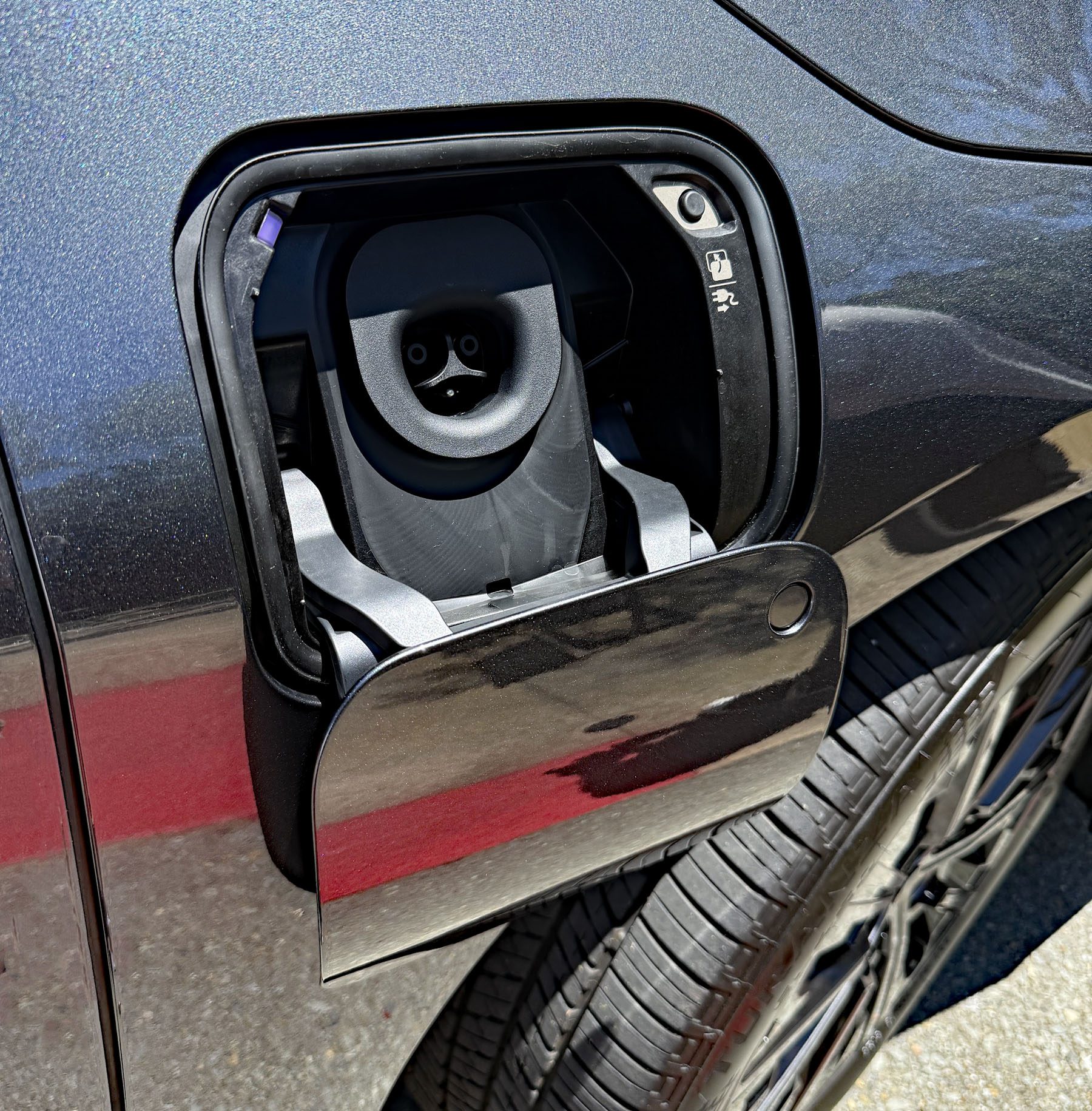
Both the 350e and 500e come standard with a North American Charging Standard (NACS) port, which means owners can use Tesla Supercharger installations.
Executive Package
With all the extra space in the back, Lexus has added a premium rear-occupant-oriented Executive Package ($3,635) with power-reclining seats, a passenger-side ottoman-style footrest, heated-and-ventilated seats, seat massagers, climate controls, and power rear sunshade. Outside of the back-seat amenities, this package also adds a power trunk lid with a kick sensor. This package is only available on the ES 350e Luxury trim.
During the brief media preview, I was able to spend some time with this package. The key for being comfortable is the ability to move the passenger-side front seat forward so that you can deploy the ottoman. This makes the space doable for a petite person like myself, but average-sized adults will also be able to make use of it. With the seats reclined, ottoman out, and seat massagers on, I could be quite happy sitting there for a half hour while the vehicle charges—or if I wanted to escape family stress in the driveway.
New infotainment system
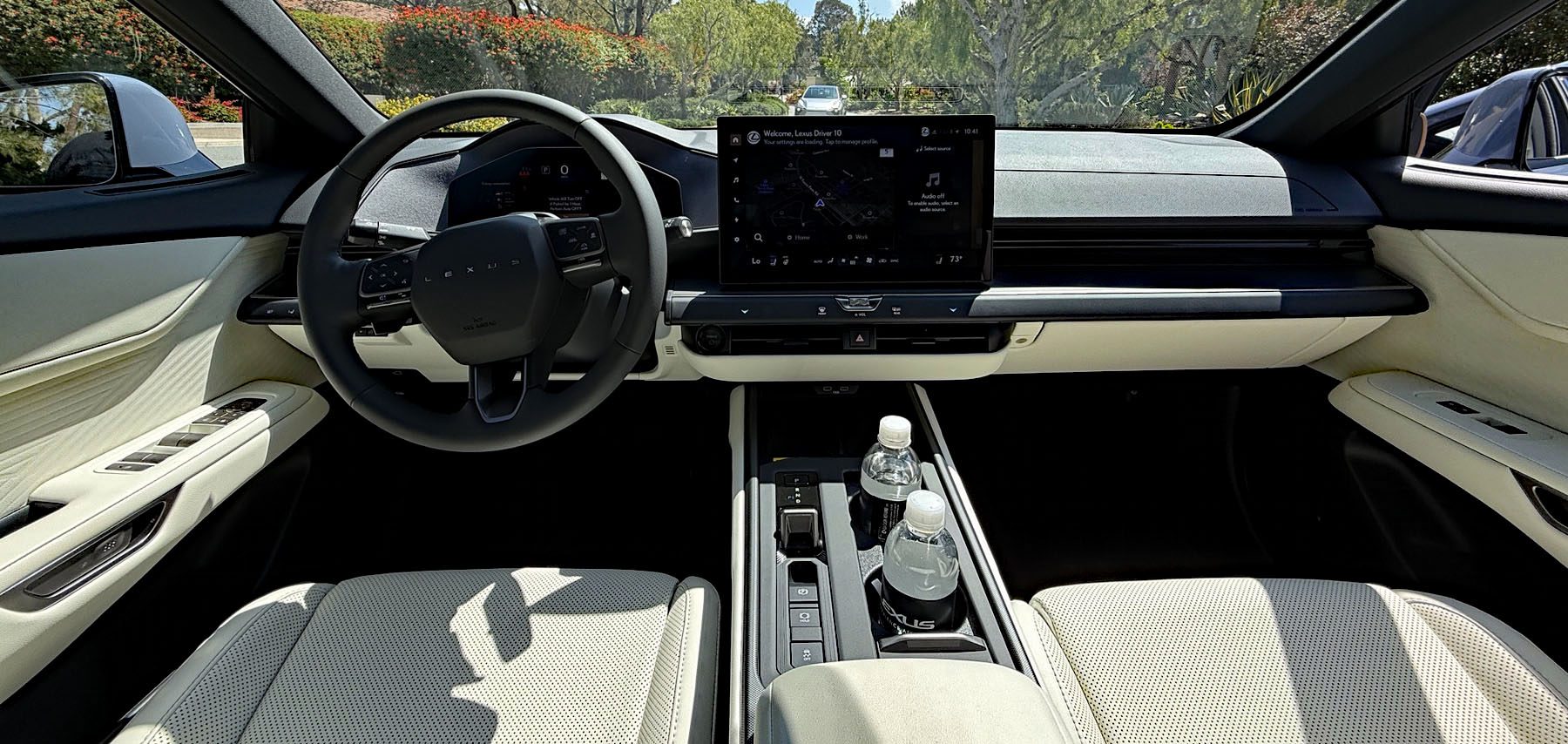
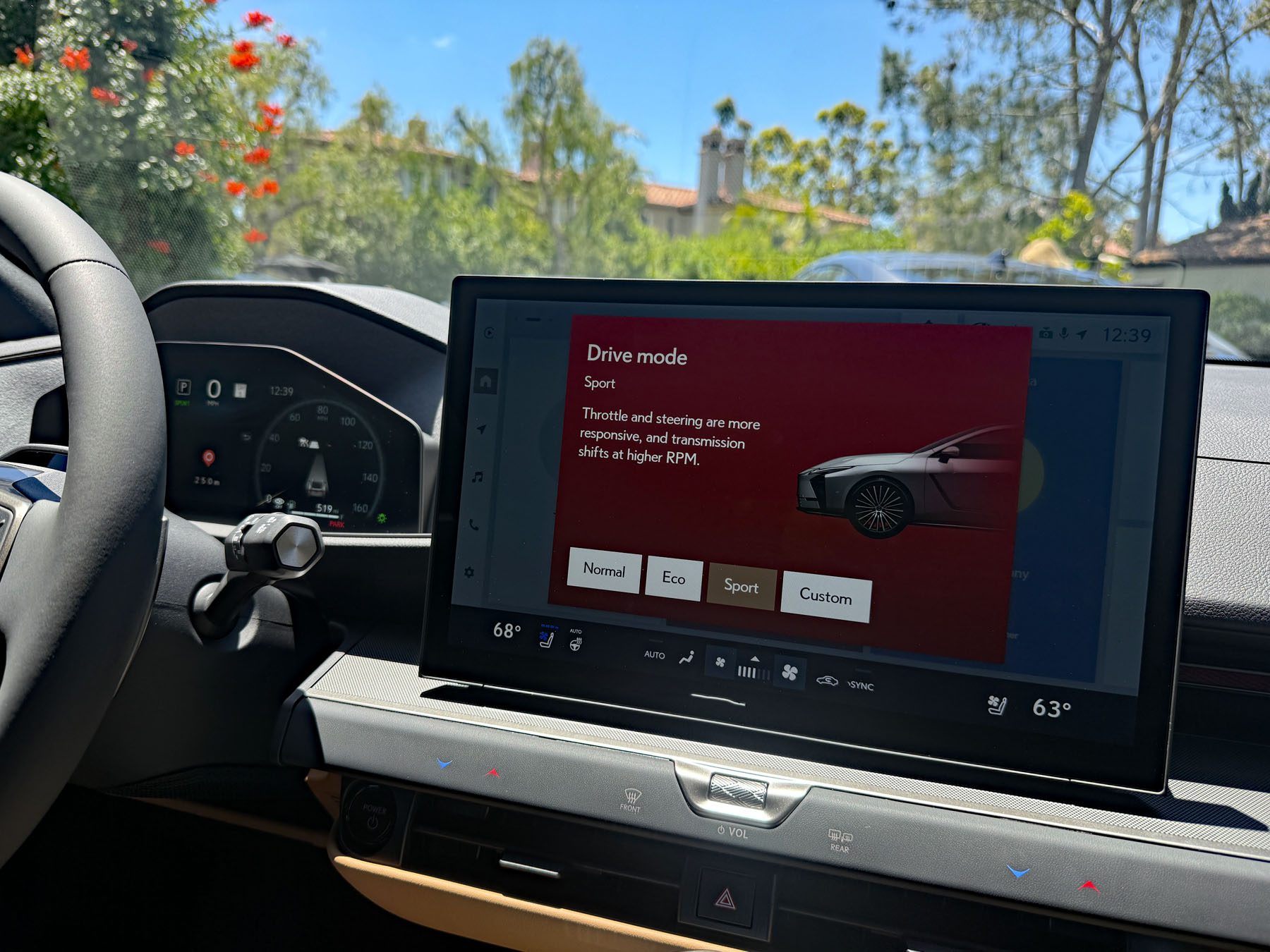
The 2026 ES gets a digital upgrade. In addition to a 12.3-inch instrument-panel display, the ES also gets a 14-inch infotainment screen, as well as Lexus’ newest infotainment system. While the tech generally looks the same, there are couple of big changes, including the addition of a customizable home screen. Previously, the only way to interact with the system was through a series of icons on the left side of the screen.
Another big update is the addition of route planning. If you are planning a long drive, the new subscription-based cloud navigation will show you where charging stations are along the route as well as how long you will need to stop at the station to charge in order to make it to your destination. The overall route time, then, includes the time it takes to charge.
On trend, this new system also includes an integrated “drive recorder,” which is a fancy way for saying dash cam.
On the Road
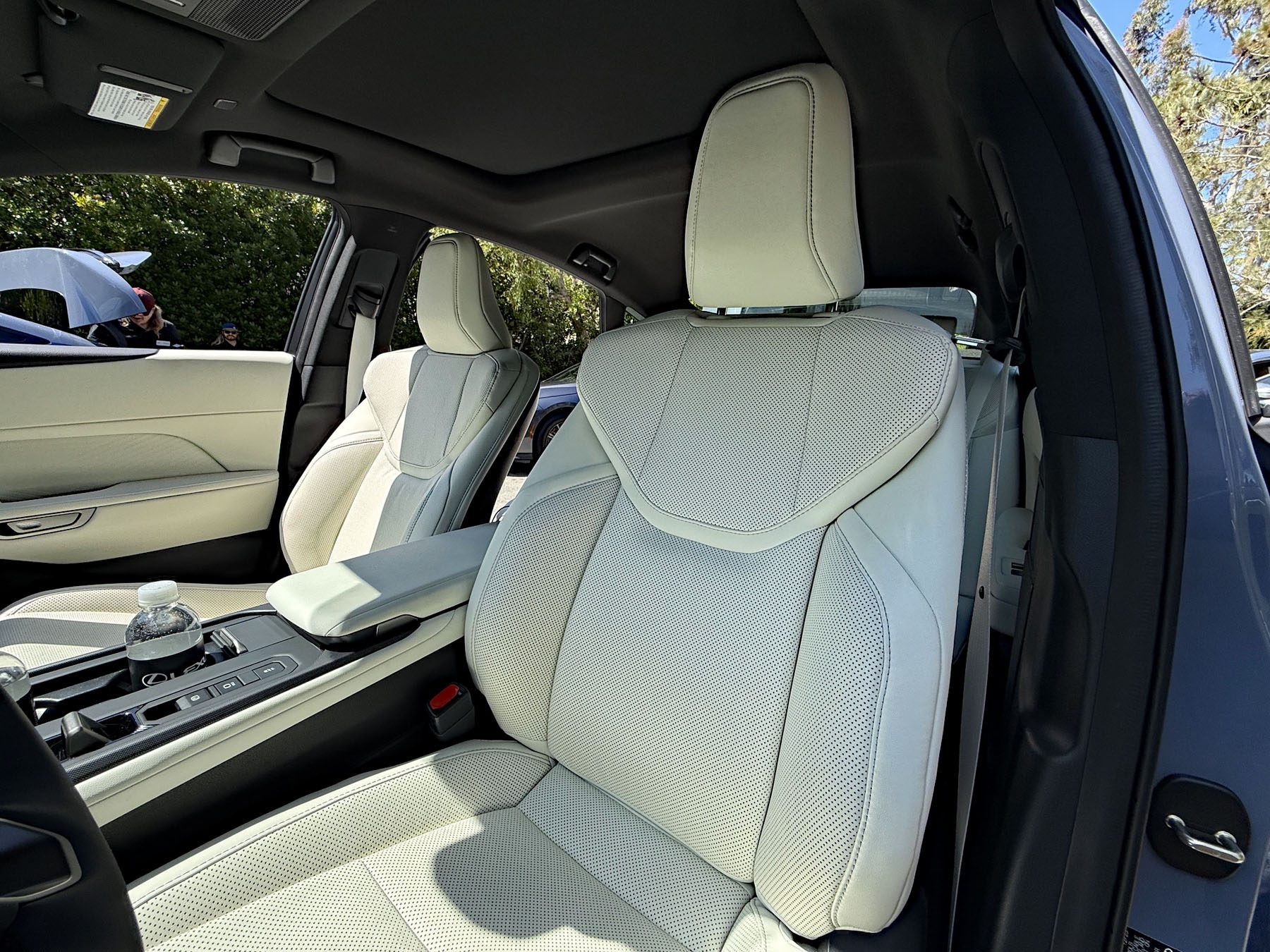
Generally, both the hybrid and EV are smooth, quiet, and fast. They both have a nice nimbleness that a midsize sedan brings, and they are both incredibly comfortable in terms of both the overall ride as well as the seat cushions.
Separating out the hybrid from EV, I will say the sixth-gen hybrid system from Toyota Motor Sales is incredibly good—as you would expect. The transition from electric to gas modes is barely perceptible, and the engine, when it turns on, is quiet. This is going to be a sweet spot for a lot of buyers who crave fuel efficiency but don’t want to deal with charging situations.
However, the EVs are both phenomenal. While the 500e has quite a lot more horsepower than the 350e, I will say in every-day driving, you aren’t going to notice the difference because of the instantaneous torque. Both vehicles are incredibly quick off the line. Where you might want the 500e over the 350e is due to the AWD. In addition to adding peace of mind to those who live in winter-weather states, there’s a certain agility to the 500e that the 350e doesn’t have. As someone who lives in a city with lots of tight spaces, every little bit of maneuverability helps.
A few things we didn’t like
I’ll be honest, I liked pretty much everything about the new Lexus ES, and I really had to stretch to come up with the things that I didn’t like. And I’ll say these two things are more of annoyances than dealbreakers, and they’ve both on the EV.
First, neither the 350e nor the 500e have one-pedal driving. It has some aggressive regenerative braking that you can adjust via the steering wheel paddles, but it’s just shy of one pedal. In fact, it will slow you down to about 5 mph, and then it’s like the regen shuts off and you begin coasting. You have to use the brake to stop. I know you don’t necessarily need one pedal driving to get the best regeneration, but I like it. And I don’t understand why you wouldn’t at least offer it as an on/off option.
The other thing I didn’t like is one of those things that just seemed weird to me. You have to turn off the vehicle to open the charge port, and there is no way to open or close the charge port from inside the vehicle. As someone who’s had to use a public charger at both -14 degrees and 100+ degrees, I don’t want to turn the vehicle off to plug in. Especially if I have a passenger. With plug-and-charge capability, I’m sure the engineers would argue that you simply have to get out and plug in, then within a couple seconds you’ll be back inside the vehicle and can turn it back on while you are charging. However, that’s in a perfect world. And I’ve found that charging in real life is rarely perfect. Sometimes port doors are frozen shut, or there’s ice and snow inside the port door, or the charger doesn’t want to connect properly until you plug and unplug and replug four times. This can take 10 to 15 minutes. Really. And all that time, my passenger is sitting in a rapidly cooling or heating vehicle.
2026 Lexus ES Prices and Trim Levels
The pricing structure for the 2026 Lexus ES is, well, surprising. The EV is less than the hybrid. Not by a lot, but by enough that it might have some buyers look seriously at the EV first—especially if that have a way to charge at home. At the time of this writing, Lexus lists pricing as follows (including a $1,395 destination charge):
- 350e Premium: $48,895
- 350h Premium: $51,095
- 500e Premium AWD: $51,895
- 350h Premium AWD: $52,495
- 350h Premium+: $55,895
- 350e Luxury: $57,295
- 350h Premium+ AWD: $57,295
- 500e Luxury AWD: $60,295
Look at that again. The base EV is more than $2,000 less than the hybrid. And the AWD hybrid is just $800 more than the base hybrid. The top trim levels of the 350e and 350h are priced exactly the same, and the top version of the 500e is just $3,000 more than the top 350e and 350h. That pricing is really tight for two completely different powertrains.
And I’m still shocked that the EV has a lower starting price.
CG Says:
While the price has increased significantly for the base Lexus ES with the redesign, you get a lot of car for your money. We know some people find the exterior design polarizing with the hockey-stick swoosh on the side, but we found it started to grow on us the more we drove it. It’s certainly distinctive. With the extra passenger space and exceptional powertrain options, the new ES should be on your must-test list if you’re looking for midsize luxury.
Listen to the Car Stuff Podcast
2026 Lexus ES Pictures
Consumer Guide Car Stuff Podcast Episode 333: Goodbye Polestar, Used EV News, 2027 Kia Telluride