
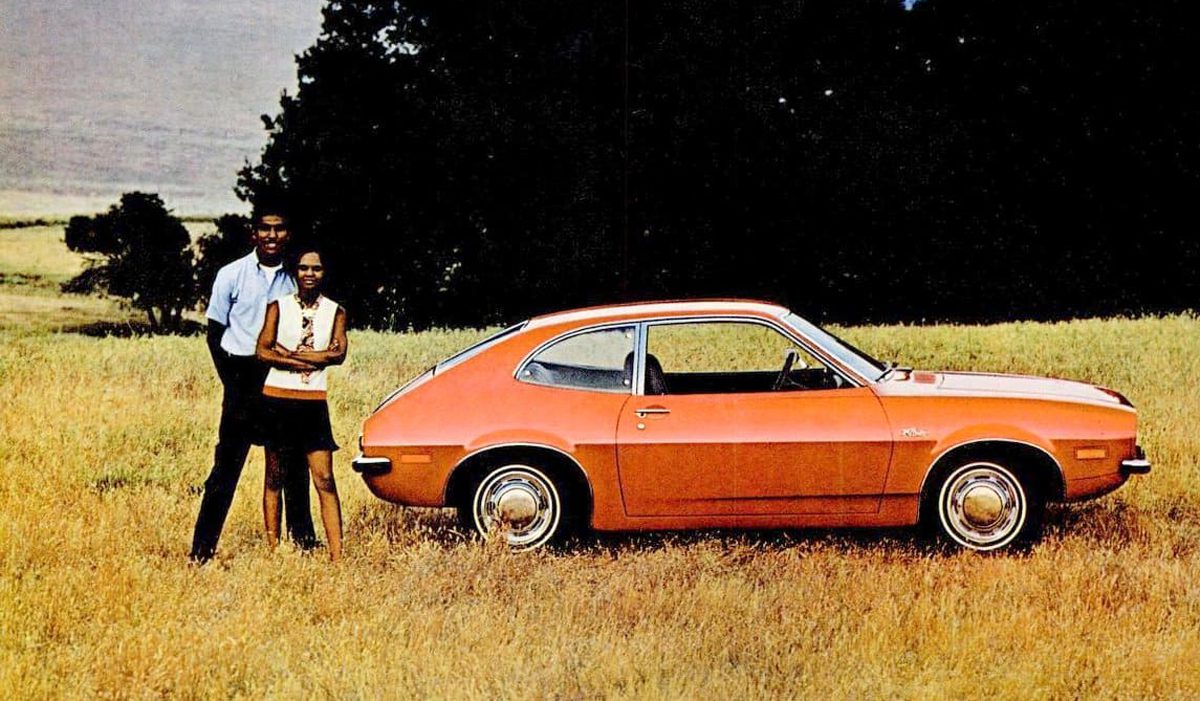
Go back far enough, and you’ll find a simple pattern. Cars of the mid Eighties were, for the most part, fitted with 13-, 14-, or 15-inch wheels and tires. Subcompact cars wore 13s, compacts and midsize cars came with 14s, and full-size and luxury cars were fitted with 15s. It really was that straightforward. (And, as someone who ordered tires for a service station, delightfully uncomplicated.)
The Problem with Big Wheels and Tires
Skip ahead a few decades, and not only are wheels and tires larger–even subcompact crossovers are shod with 17-inch wheels–manufacturers are enabling consumers with optional setups that add significantly to cost, and compromise fuel economy. And in the case of electric vehicles, larger wheels and tires can have a significant impact on range.
So, why bother with larger wheels and tires? Two reasons:
- They look cool
- They can improve handling
But larger wheels and tires can be a hassle, too. They are an added cost, and they can detrimentally impact a vehicle’s basic operation in a number of ways. Let’s look at several car and crossover attributes that are generally affected by going with up-sized wheels.
Cost
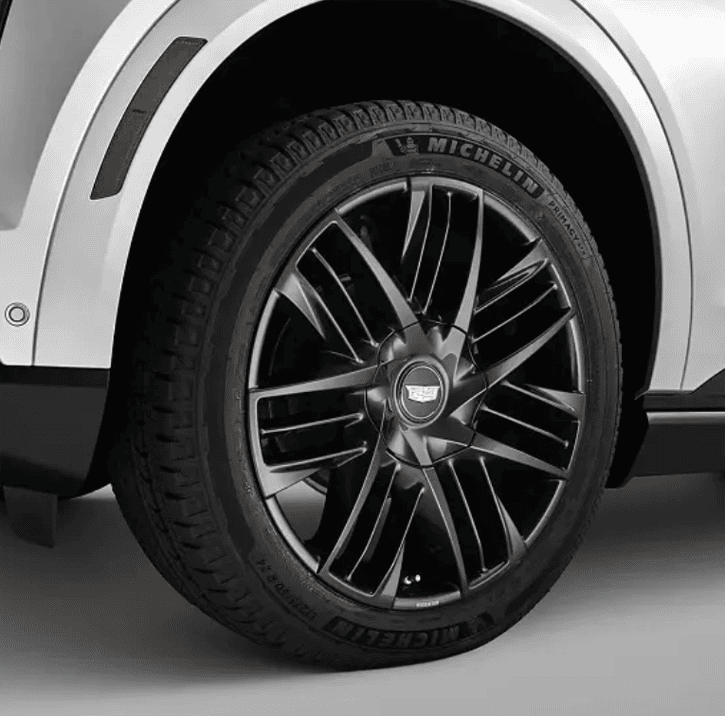
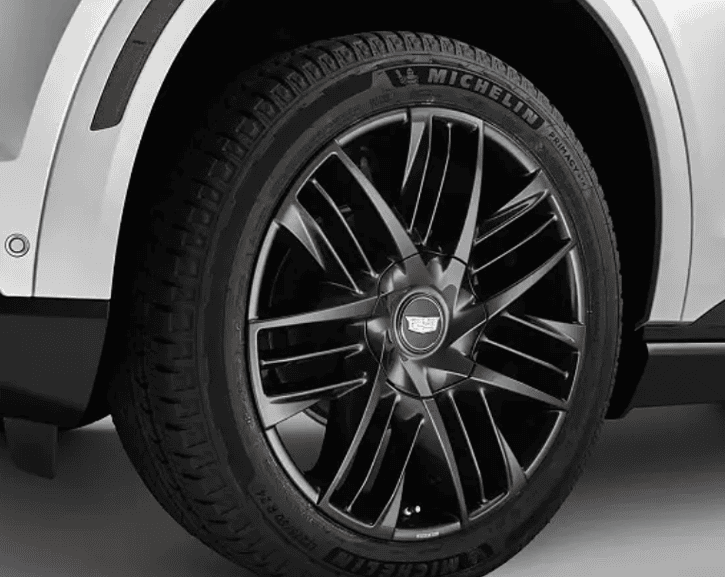
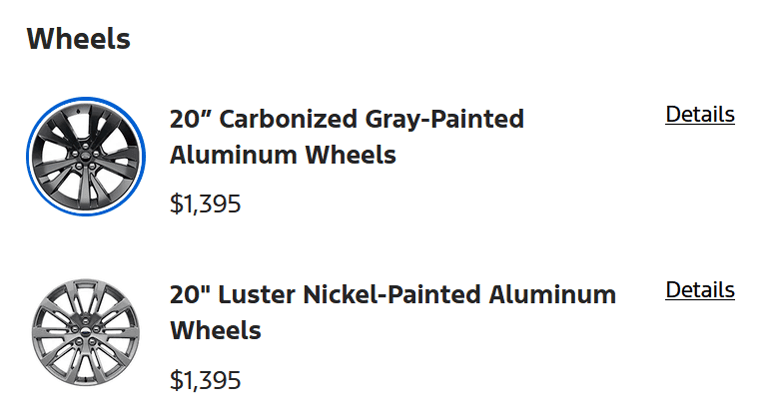
For 2026, the Ford Explorer Active comes fitted with standard 18-inch alloy wheels. Ford also offers optional 20-inch wheels in either of two finishes. The cost? A hefty $1395. Also, on the Active, moving to the larger wheels requires the vehicle to be equipped with AWD, further raising the purchase price.
Ride Quality (and Road Noise)
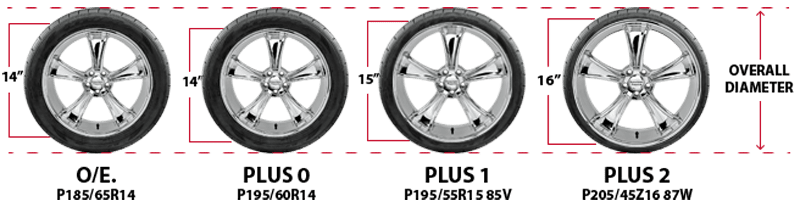
For a number of reasons related to powertrain operation and AWD-system management, overall wheel-and-tire diameter needs to remain more-or-less constant, even if larger wheels are fitted to a car or truck.
What this means is that as a wheel grows—from say 18-inches in diameter to 20-inches—the absorbent tire sidewall needs to be reduced in height in order to keep the engine-management systems, safety equipment, and speedometer happy.
The loss of sidewall cushioning generally has a negative impact on ride quality as well as road noise transmitted into the cabin. If you are seriously considering going with larger wheels and tires on a specific model, we recommend test driving examples with and without the beefier wheels.
Fuel Economy
Larger wheels and tires can impact fuel economy in a number ways, here are a few:
Increased weight
A set of 20-inch wheels and tires add a combined 25-50 pounds to a vehicle’s curb weight.
Increased rotational mass
Heavier wheels require more energy to start rolling, and, this is important, can affect braking in a similar fashion.
Increased rolling resistance
Larger wheels and tires will come with an expanded “contact patch,” which is the area of the tire in contact with the road surface. Larger contact patches increase rolling resistance, which can be good for sporty traction–mostly lateral grip–but can slow acceleration and have a detrimental impact on fuel economy.
Reduced EV Range
For all the reasons covered above, wheel size can have a significant impact on electric-vehicle range. In the case of the 2026 Tesla Model Y Standard RWD, the EPA estimated range drops from 321 miles with the standard 18-inch wheels to 303 miles when equipped with the available 19-inch wheels.
Compromised Performance
Larger and heavier wheels and tires will impact overall performance for the same reasons they decrease fuel economy. A metric known as “unsprung weight” describes the percent of a vehicle’s mass that is not isolated from the road by the car’s suspension.
Unsprung weight is generally comprised of suspension components along with axles, drive shafts, AWD components, and—you guessed it—wheels and tires.
The greater the unsprung weight, the clunkier and less nimble a vehicle generally feels.
Easy to Damage
Because there is less tire sidewall to protect the wheels, damage from curbs and potholes is more likely. Large diameter wheels can be very expensive to replace in the aftermarket. For this reason, some luxury carmakers, including Mercedes-Benz, sell new-car wheel insurance.
Replacement Cost
Replacing any aluminum wheel can be expensive, and the price climbs along with the size of the rim. The aforementioned Ford Explorer 18-inch wheels purchased through a Ford dealer will run about $500, while the 20-inch units run about $800. Note that most wheels can be had for less money through discount online retailers.
It’s Up to You
While we fully appreciate the appeal of large and extra-large wheels on a new vehicle, paying for them optionally may be a poor decision economically. That’s not to say you shouldn’t equip your new vehicle as you see fit, only that big wheels and tires can be liability in the long run.
Note also that, unlike these features, premium wheels and tires do not bring much added value at trade-in time, so you are unlikely to recoup the initial purchase price when it comes time to sell your vehicle.
Listen to the Car Stuff Podcast
Big Wheels and Tires Pictures
(Click below for enlarged images)