
 Text by Tom Appel

2026 Subaru Outback Wilderness
Class: Midsize Car
Country of manufacture: Japan
Seating capacity: 5
Color: Deep Emerald Green Pearl
| CG Report Card | |
|---|---|
| Room and Comfort | B+ |
| Power and Performance | B+ |
| Fit and Finish | B+ |
| Fuel Economy | B- |
| Value | B |
| Report-card grades are derived from a consensus of test-driver evaluations. All grades are versus other vehicles in the same class. Value grade is for specific trim level evaluated, and may not reflect Consumer Guide's impressions of the entire model lineup. | |
| Big & Tall Comfort | |
| Big Guy | A- |
| Tall Guy | A |
| Big & Tall comfort ratings are for front seats only. "Big" rating based on male tester weighing approximately 350 pounds, "Tall" rating based on 6'6"-tall male tester. | |
| Drivetrain | |
| Engine Specs | 260-horsepower 2.4-liter |
| Engine Type | Turbocharged four |
| Transmission | CVT automatic |
| Drive Wheels | AWD |
Miles Driven: 103
Observed fuel economy: 21.6
Driving mix: 65% city, 35% highway
EPA-estimated fuel economy: 21/27/23 (mpg city/highway/combined)
Fuel type: Regular gas
Base price: $44,995 (not including $1450 (destination charge)
Options on test vehicle: Special paint ($395), Option Package 23 ($4090)
Price as tested: $50,930
Audio-System Brand
Harman Kardon
Audio-System Quality
Poor Fair Good Very-Good Excellent
Pros and Cons
The great: Great ride and handling, plenty of power, comfortable on the road
The good: Solid feel, friendly cabin, promise of excellent foul-weather performance
The not so good: Mediocre fuel economy
Review
Alas, only John Candy could play Buck Russell. The oversized oafish manchild who ultimately proves to be loving and capable is Uncle Buck in the 1989 film of the same name. The comedy was a critical and financial success, and would prove to be one of Candy’s watershed efforts.
Uncle Buck
As it turned out, Candy was probably the only actor who should ever have played the Russell character. A 1990 TV series starring comedian Kevin Meaney in the Buck Russell role bombed monstrously. The show flopped in large part because Meaney never captured the charm or purpose of the original John Candy performance. Mercifully, the TV show was killed after just 22 episodes, something shy of a full season.
The Outback Formula
In many ways, the Subaru Outback mirrors the inimitable success of Uncle Buck, as the rugged-looking station wagon not only has a huge following of loyal fans, no other carmaker has ever come close to making the Outback formula work for them.
First seen at the 1994 New York Auto Show, the Outback was offered as a package on the 1995 Legacy Wagon, becoming its own model for 1996. And since then, other brands have been trying to bottle the same sales lightning—and having little, if any, success.
How many of the following off-road trimmed wagons do you remember?
- Audi allroad (several models over the years, new for the 2001 model year)
- Buick Regal TourX (2018-2020)
- Ford Taurus X (2008-2009)
- Mercedes-Benz E450 All-Terrain (2021-present)
- Volkswagen Golf Alltrack (2017-1019)
- Volvo Cross Country (several models over the years, new for the 1997 model year)
And though mostly well reviewed and generally well regarded, not one of these “lifted wagons” came close to selling even fractionally as well as the Outback. So, what is Subaru’s secret? Let’s explore…
New for 2026
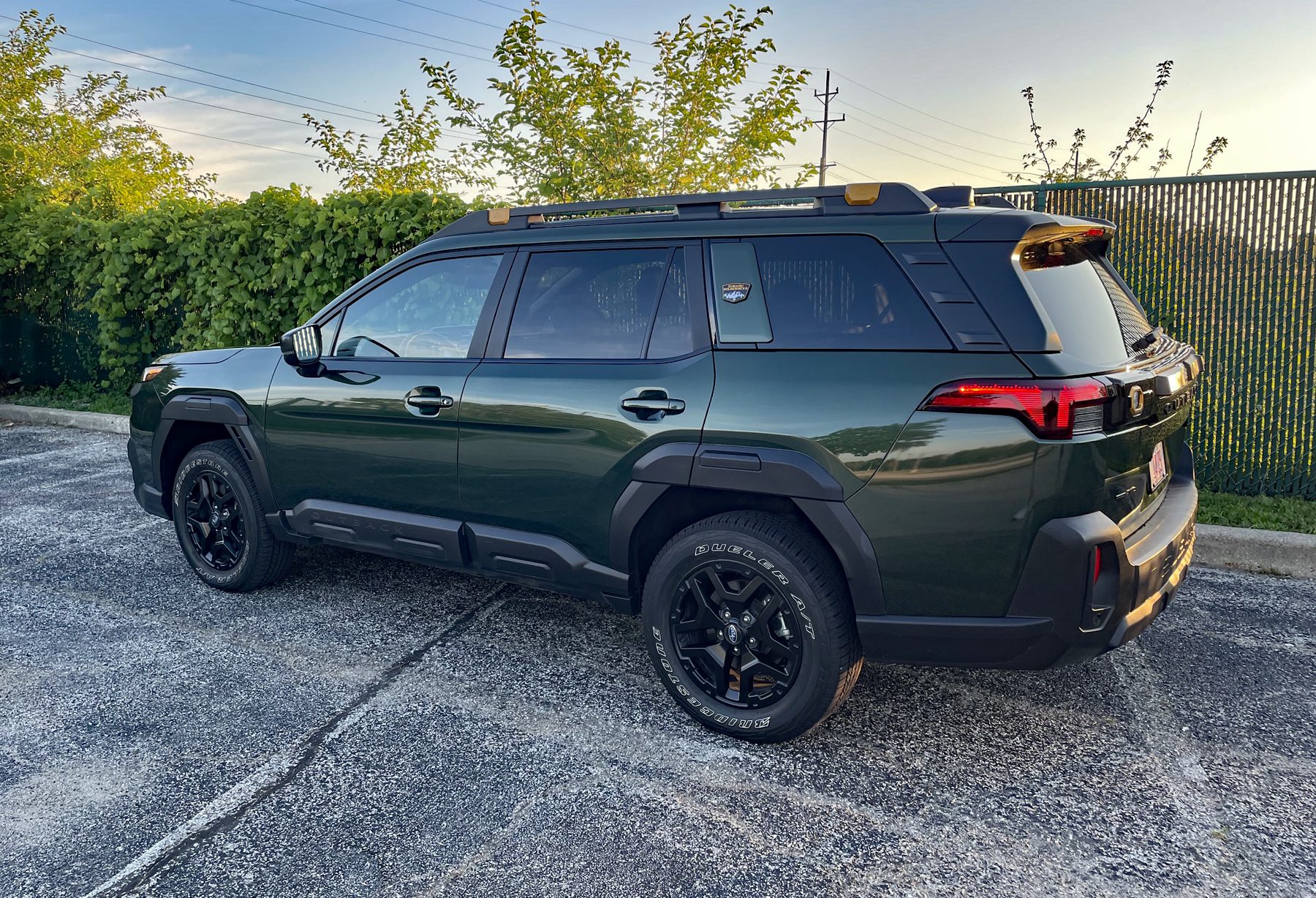
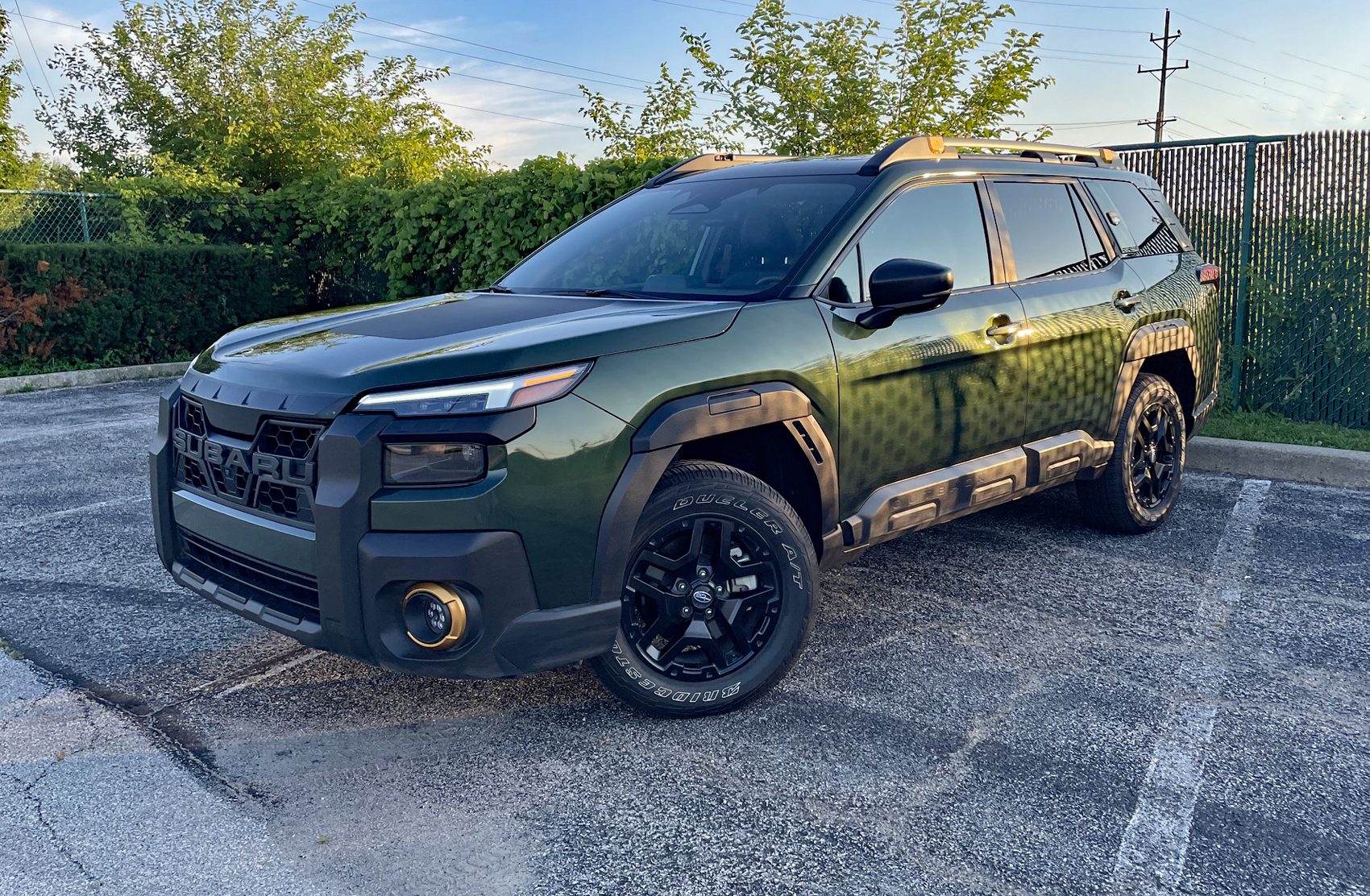
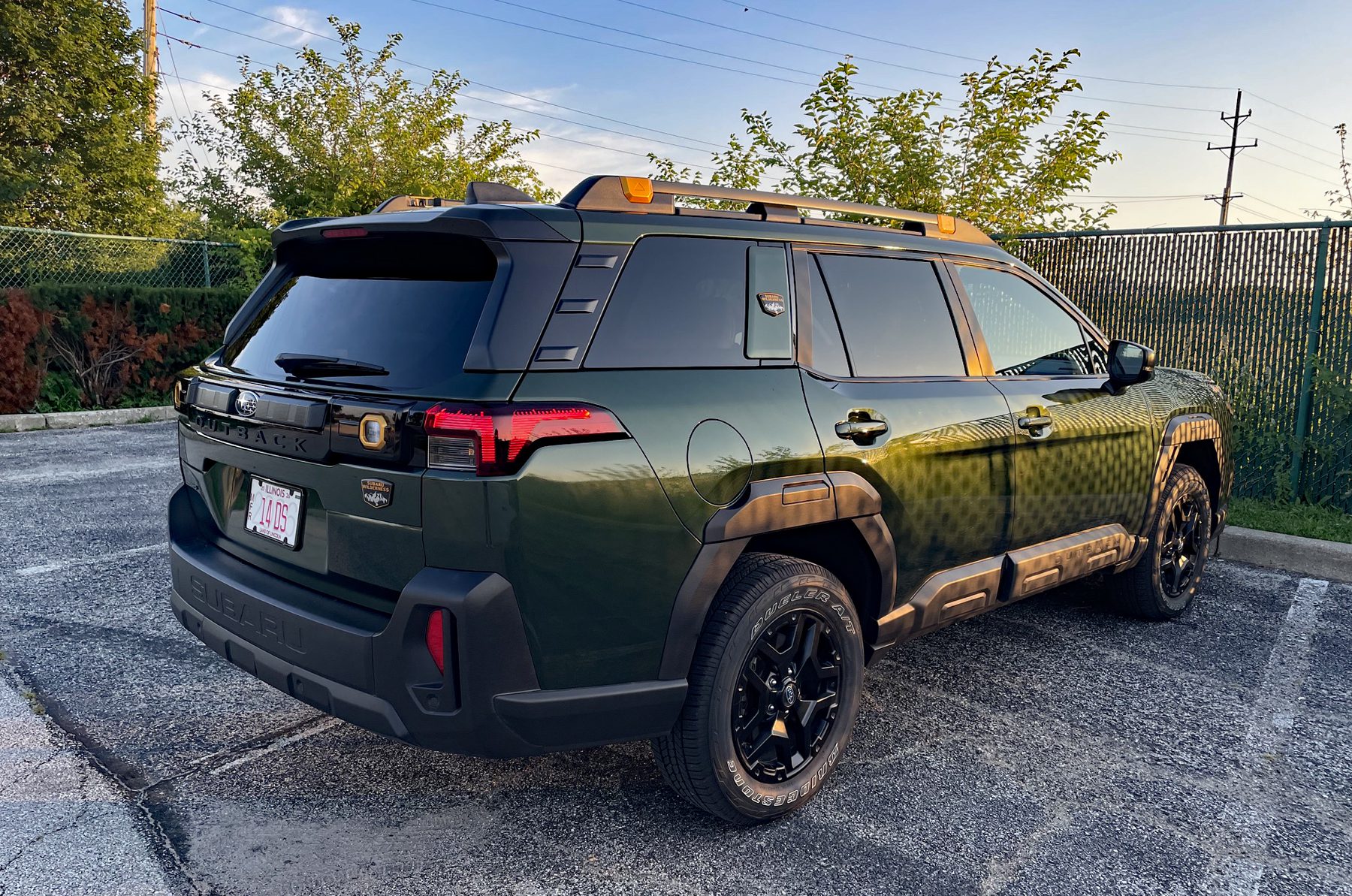
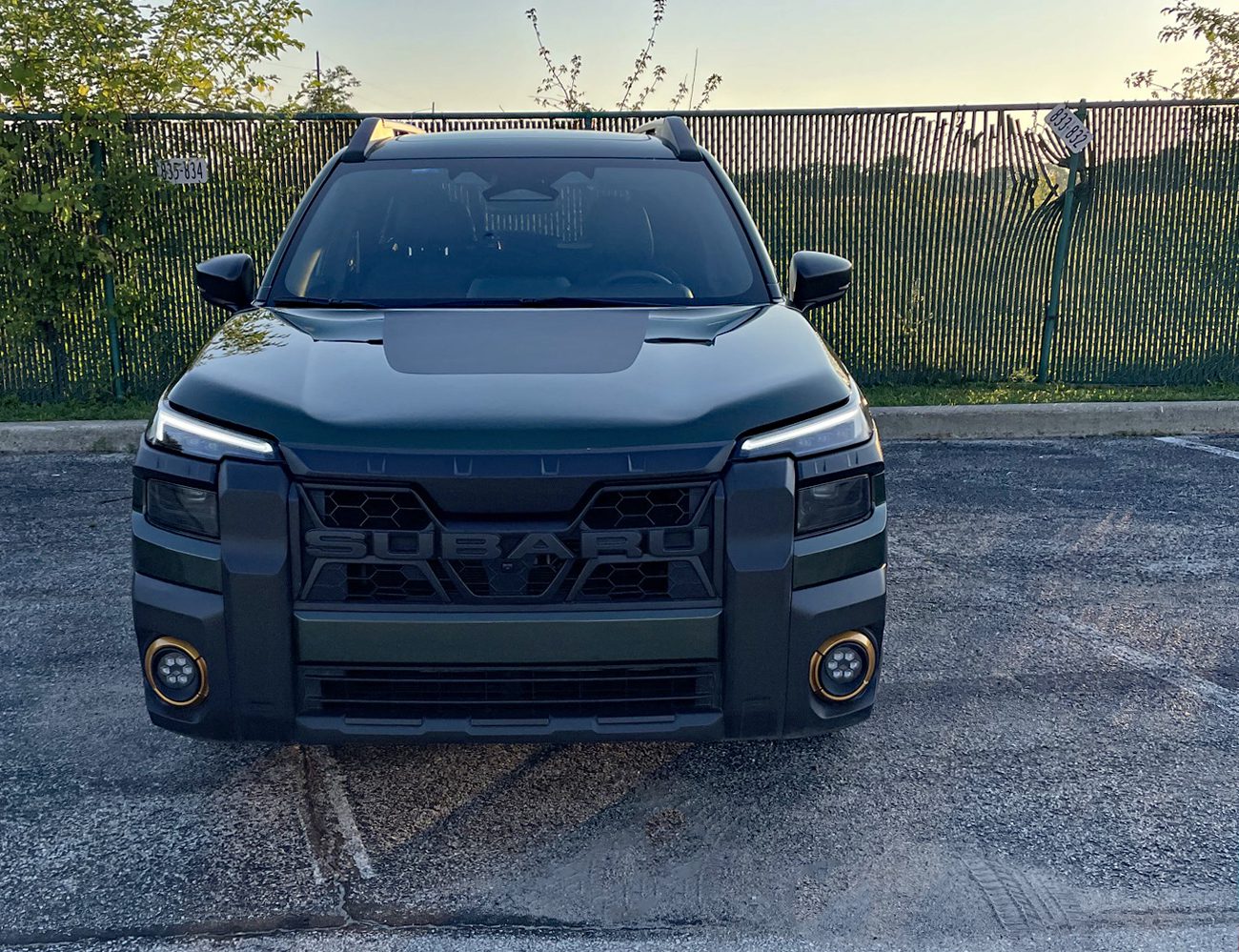
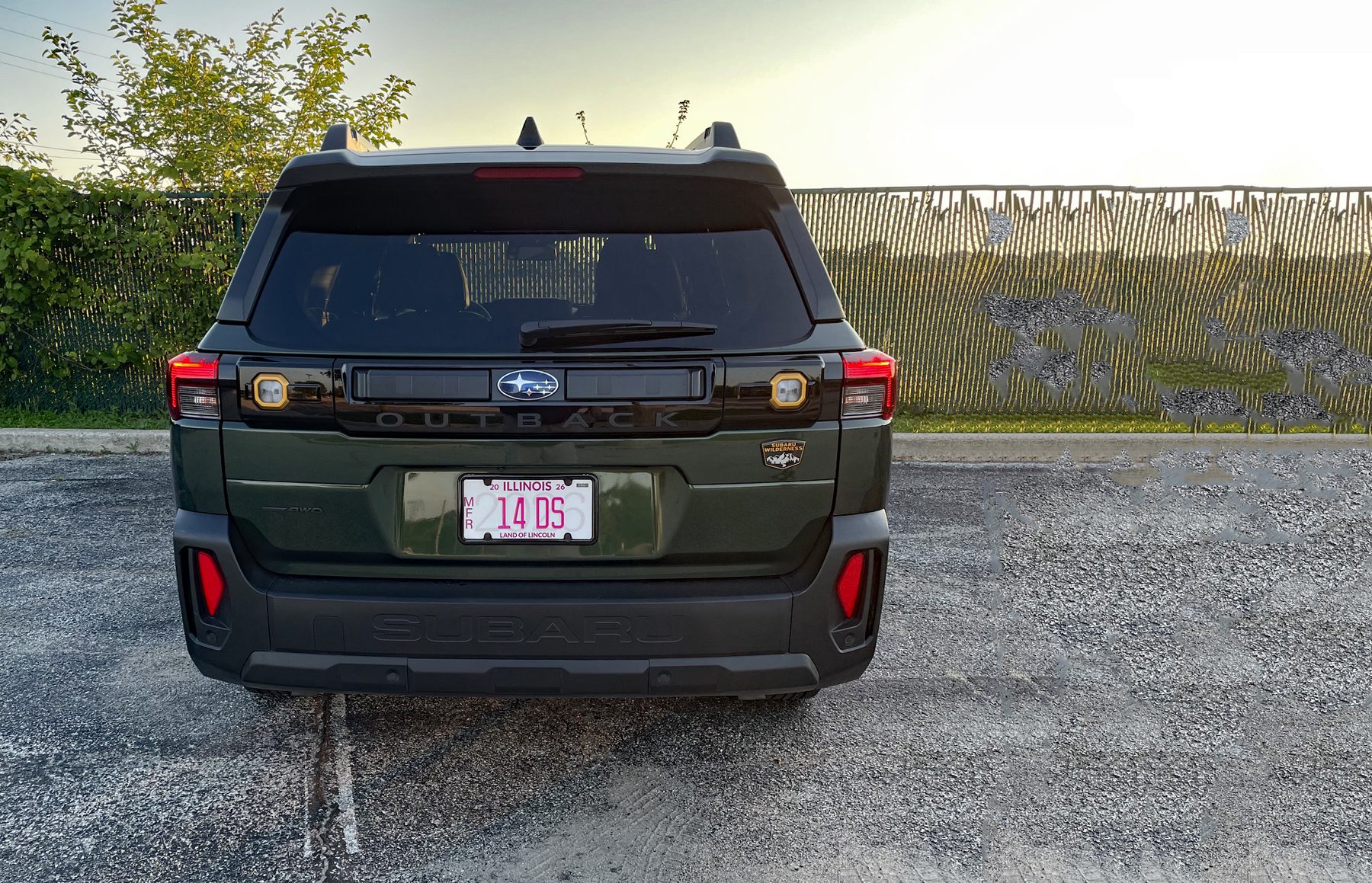
Thoroughly redesigned for 2026, the Outback moves forward looking a little truckier, and a little more off-road ready. But, we wonder, if it still looks enough like a station wagon to keep its core constituency comfortably in fold. More on the design in a little bit.
Prices and Trim Levels
For ’26, the Outback is offered in the following trim levels:
- Premium ($36,445)
- Limited ($43,165)
- Limited XT ($45,815)
- Wilderness ($46,445)
- Touring ($46,845)
- Touring XT ($49.445)
The expansive price range includes the acceptably well-equipped Premium, the off-road ready Wilderness, and the luxurious Touring XT.
Engines
Most models come equipped with a 180-horsepower 2.5-liter “boxer” 4-cylinder engine. The Wilderness, and models with an “XT” suffix, enjoy the added muscle of a turbocharged 2.4-liter boxer four rated at a stout 260 horsepower.
In keeping with Subaru tradition, all Outback models come standard with the maker’s “Symmetrical AWD” system. A CVT-style automatic is the only transmission available.
Wilderness
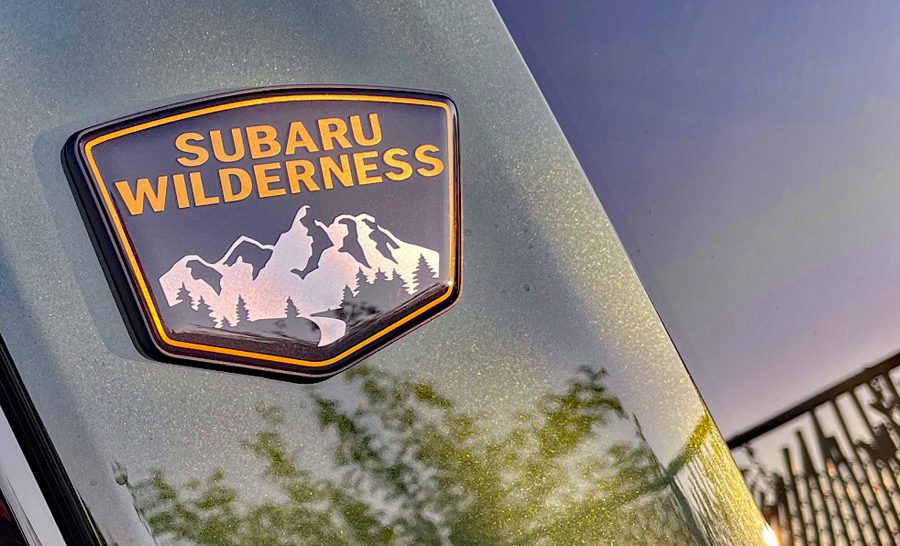
While equipment levels—and luxury trappings—improve as you ascend trough the trim level list, the Wilderness edition is something of the odd man out. The Wilderness moniker has been working its way through the Subaru lineup, with the Outback being the first to wear the badge, followed by the Forester and Crosstrek, in that order.
Wilderness Equipment
Though blessed with a certain amount of trail-ready acumen, the 2026 Outback Wilderness enjoys some meaningful upgrades, all in the name of off-road fun. Unique elements include:
- Additional ground clearance (from 8.7 inches to 9.5)
- Electronically controlled active dampers
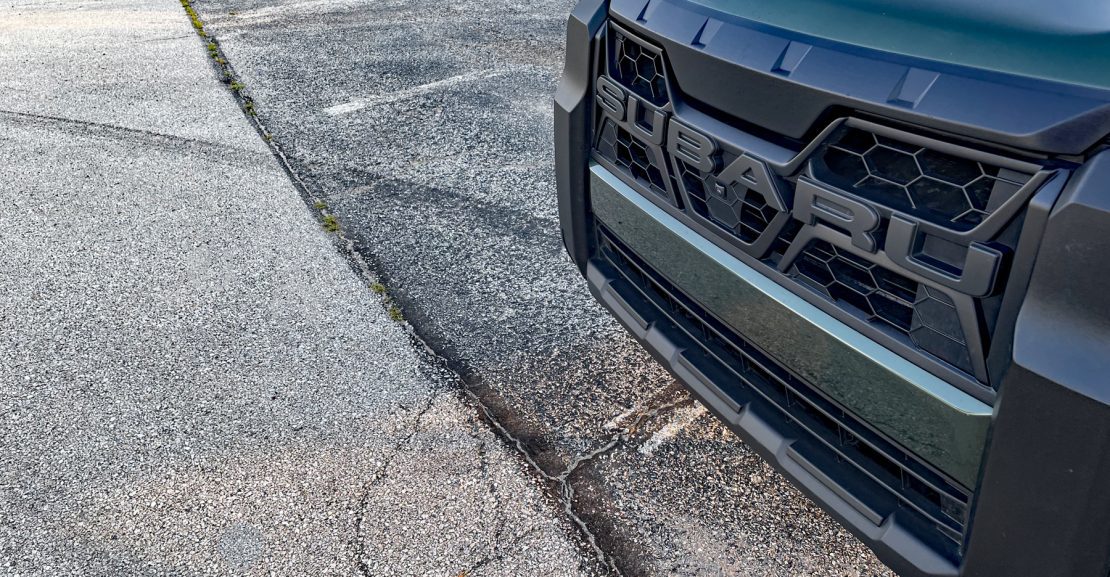
- Unique bumper design for improved approach and departure angles
- Under-body skid plates
- Additional drive mode settings
- Unique transmission gearing
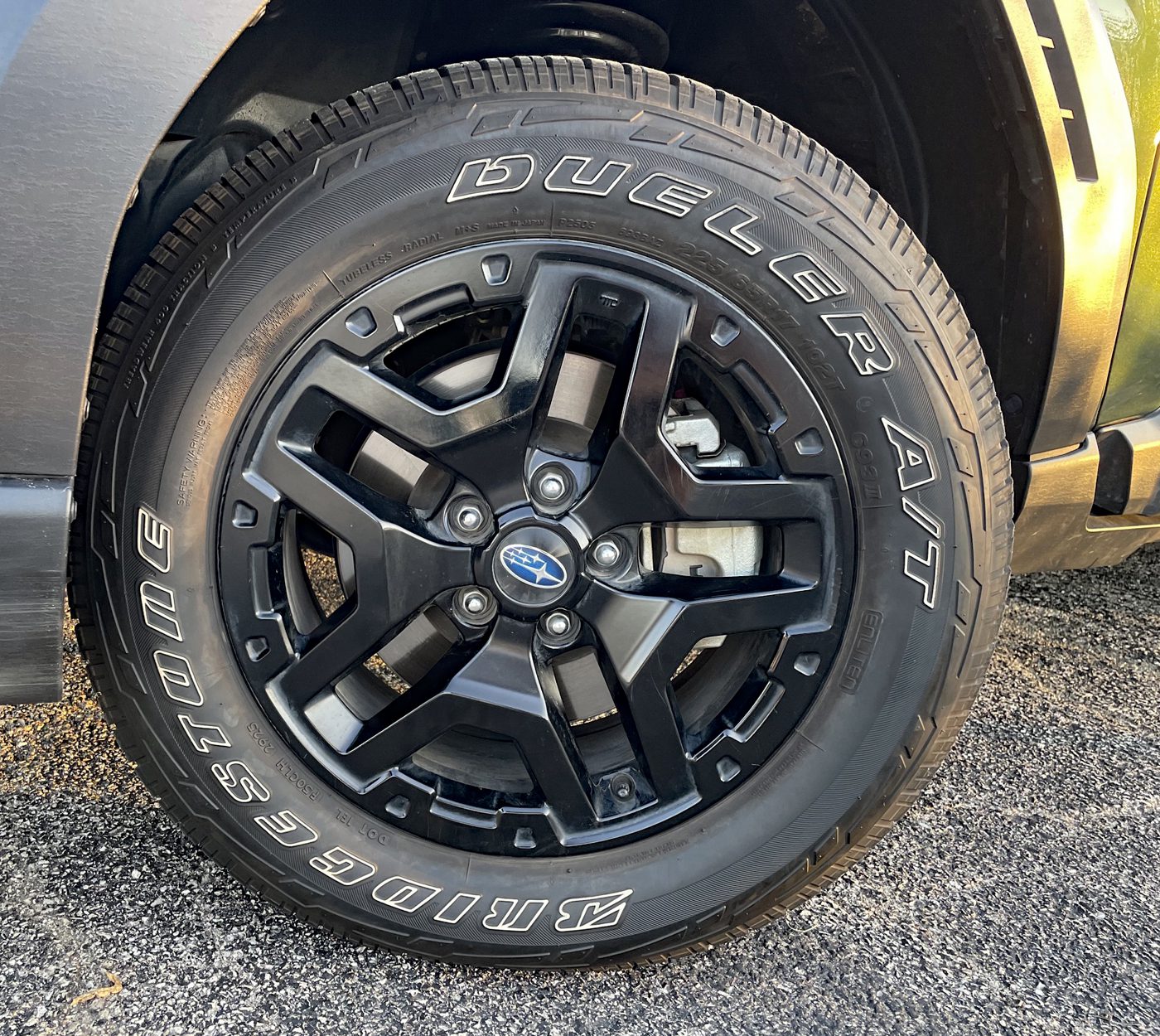
- Unique wheels fitted with all-terrain tires
- Full-size spare tire
- Reinforced roof rails
- Specific paint-color options
- “StarTex” water-repellent upholstery
- Unque interior and exterior trim elements
Test Car
Consumer Guide recently spent a week behind the wheel of the redesigned 2026 Outback in Wilderness trim. Including extra-cost Deep emerald Green Pearl paint and destination charge, our test car came to $50,930.
Design
The first thing we need to address is the new Outback’s design. I ask the question, Is this still a station wagon? And I ask because being a wagons seemed elemental to the model’s core mission since its inception three decades ago.
Sales
First half sales of the Outback are down versus 2025 (73,257 versus 62,958), but new-model changeover delays could explain any apparent lack of interest in the car. If it matters, no one this author has spoken to seems to care that the new Outback looks less like a station wagon than it once did.
Controls
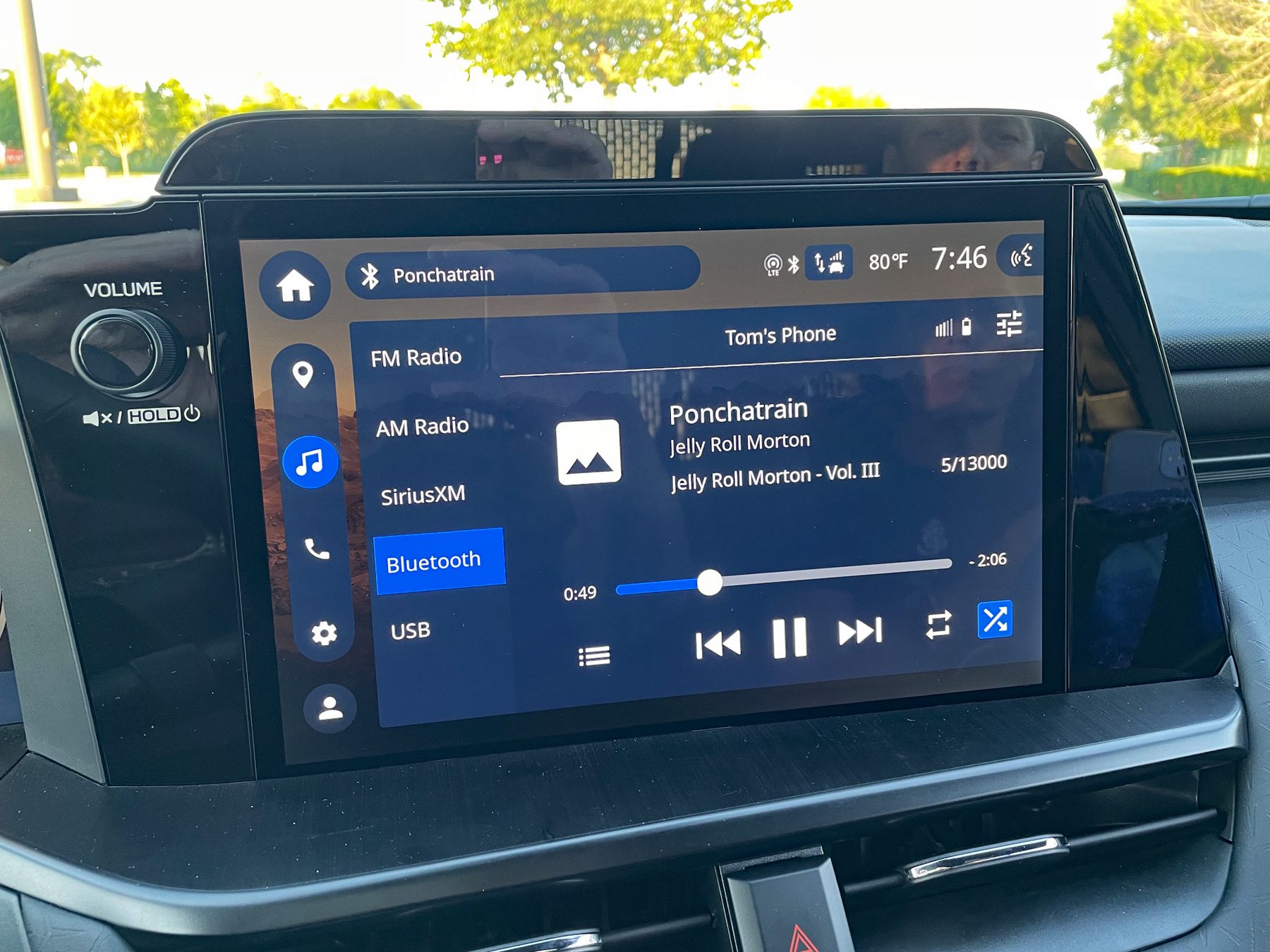
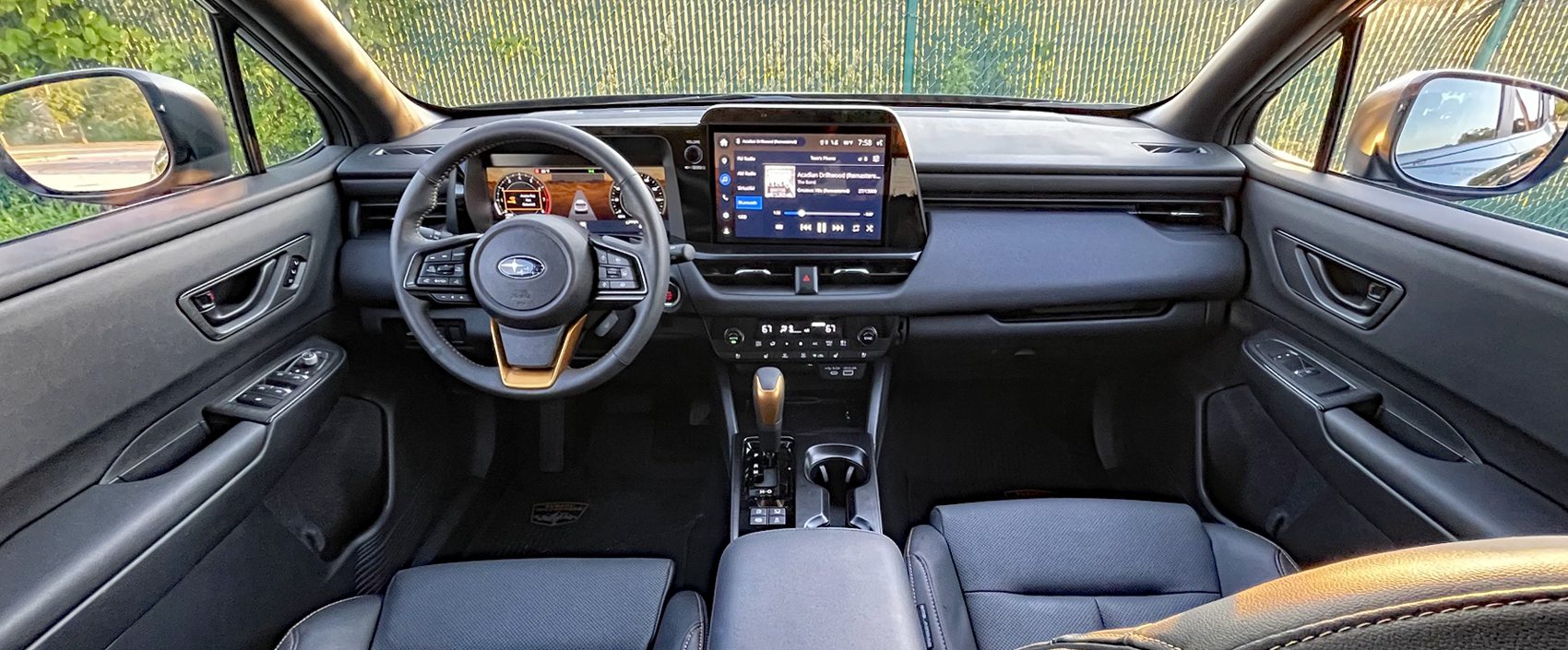
For 2026, the Outback touchscreen moves higher up the dash, and adopts a more conventional (read rectangular) shape. We found the screen still within an easy arm’s reach, and the readout to be bright and clear.
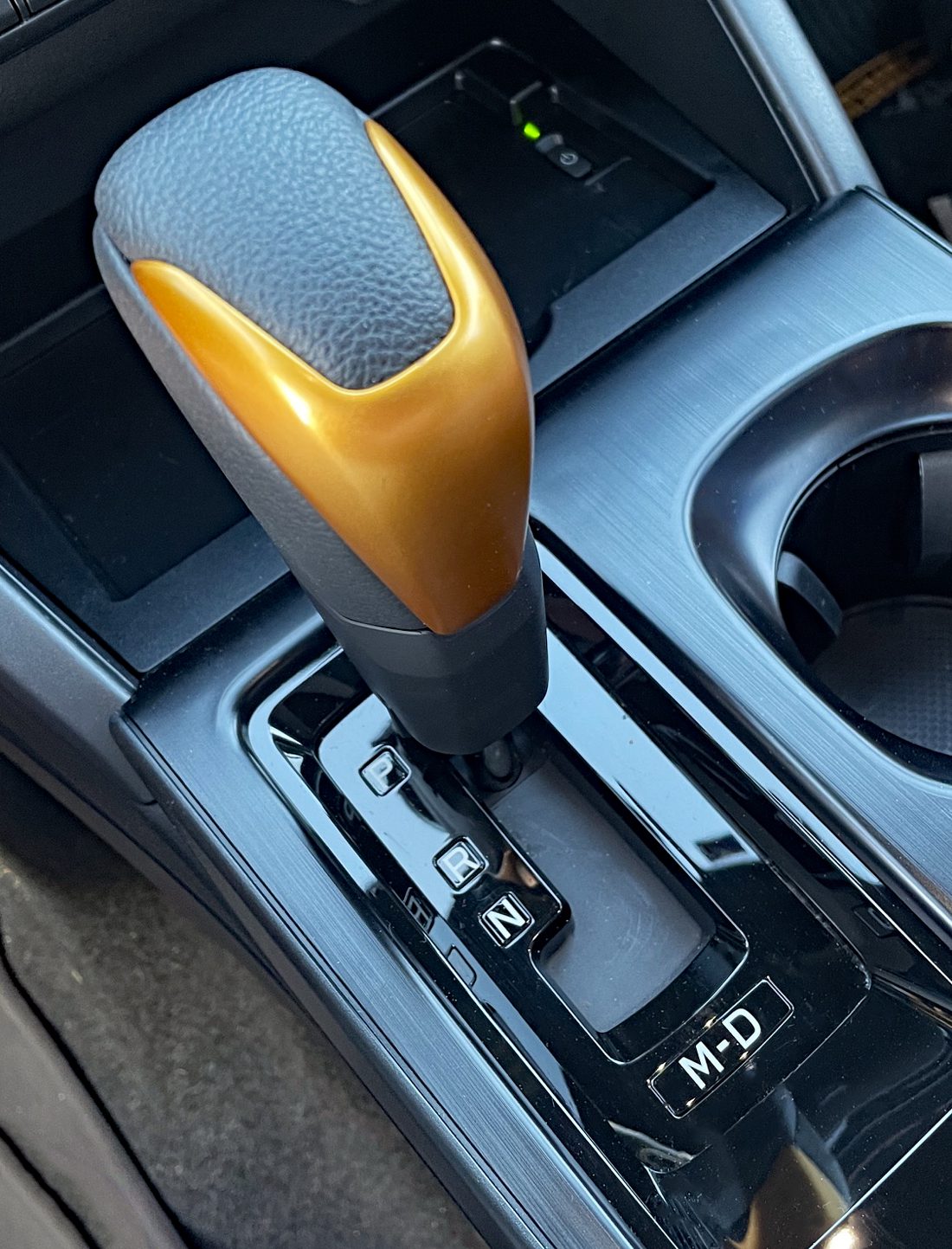
Climate controls are nicely grouped below the screen, and the old-school, mechanical gear selector is situated on the console still further down.
Room and Comfort
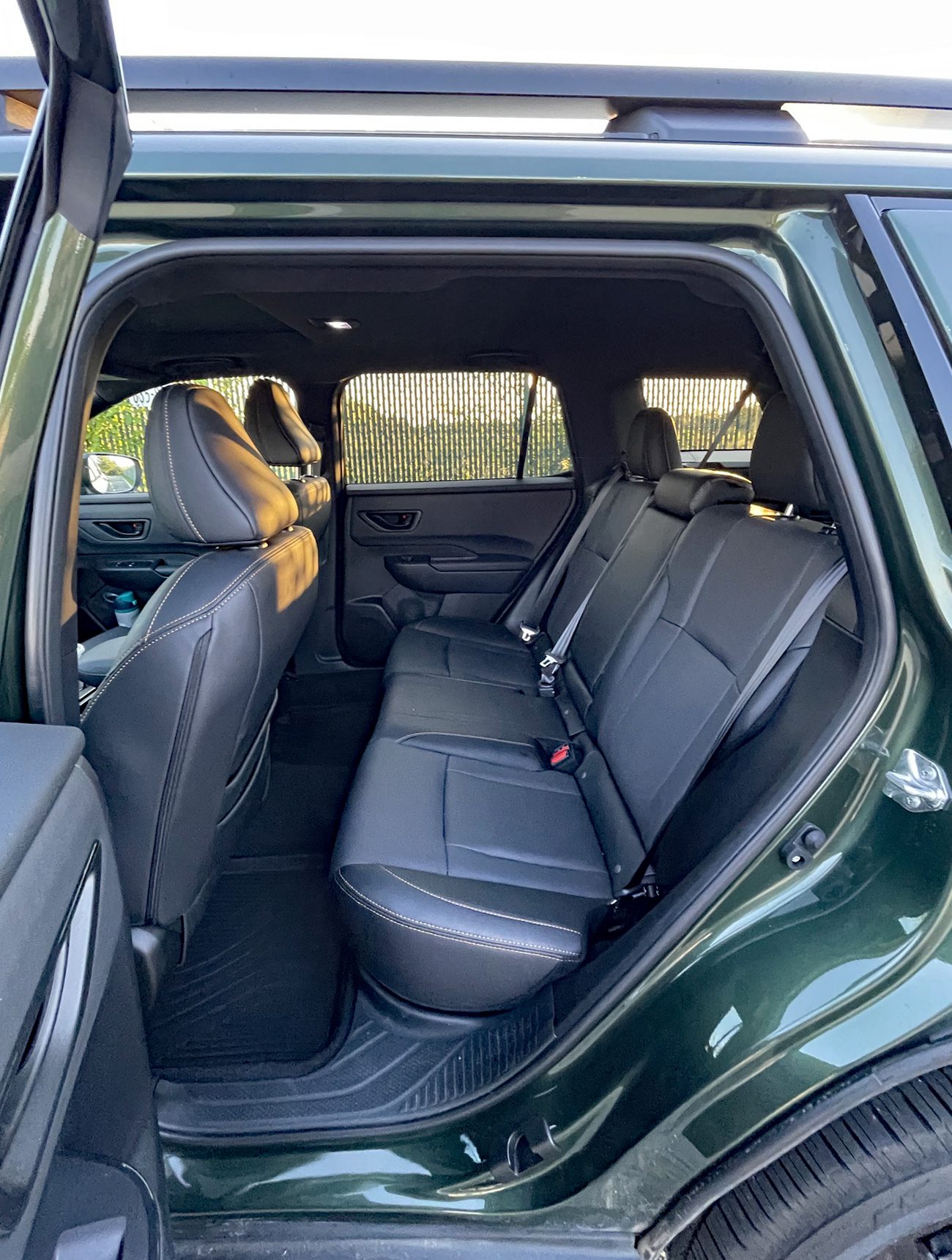
Though little changed in size overall, the Outback cabin feels slightly roomier for 2026. The interior is open and airy feeling, thanks in part to the generous glass area which provides excellent outward visibility.
Door openings to both the front and 2nd-row seating areas are generous, making entering and exiting the Outback a simple proposition. Additionally, the cabin is quiet once underway, bolstering this Subaru’s credentials as a long-distance conveyance.
Ride and Handling
While many modern vehicles enjoy rigid body structures which contribute to improved ride and handling characteristics, Subarus—and the Outback especially—feel solid in a way only Mercedes-Benz vehicles did decades ago.
The result is a vehicle that impresses as stable on the road, and refined in general terms, but one that also feels surprisingly sporty even in routine driving. We appreciate the well-measured lean in corners, and the meaningful steering feedback.
Power and Performance
The turbocharged engine delivers meaningful muscle from any speed, and feels more like a large V6 than a smallish turbocharged four.
The turbo also—and we very much appreciate this—still sounds like a Subaru engine. By this we mean that the powerplant produces a little mechanic noise at low speeds—a slightly gritty soundtrack—reminding us that no matter how much things change, the Outback is still a Subaru. And no need to worry, the engine noise is well quelled at idle and at highway speed.
Fuel Economy
A boxy design, a little weight gain, standard AWD, and off-road tires are bound to have an impact on fuel economy, and they sort of did. Per the EPA, conventional Outbacks are rated at a combined 24 mpg, while the Wilderness comes in at 23. In routine driving, Consumer Guide observed almost 22 mpg. Not bad, but hardly miserly.
Value
Is the Outback still a station wagon? It’s possible that the answer is no, and that no one really cares. Is the redesigned version the best Outback yet? Yes, easily, and one worth a test drive. And while there are no other station wagons to add to your test-drive short list, the usual cadre of small crossovers, including the Honda CR-V and Toyota RAV4 make for prime comparison. And, as long as you’re at the dealership, take a drive in Subaru’s excellent Forester small crossover; it’s also roomy and well screwed together, and it costs a little less than the Outback as well. We’d probably stick with the Outback, however, as it’s the Uncle Buck of lifted wagons–nothing ever came close.
Listen to the Car Stuff Podcast
2026 Subaru Outback Wilderness Pictures
(Click below for enlarged images)