
A classic engine design that dates back nearly as far as the automobile itself, the V8 is generally associated with performance and smooth, luxury-level refinement. But, what exactly is a V8 engine? – What is a V8 engine?
What is a V8 engine?
A V8 is a type of internal combustion engine (generally powered by gasoline or diesel fuel) with eight cylinders arranged in a V-shaped configuration. The engine consists of two banks of four cylinders, typically set at a 90-degree angle to each other, sharing a single crankshaft located in the block at the bottom of the “V.”
V8 Engine Basics
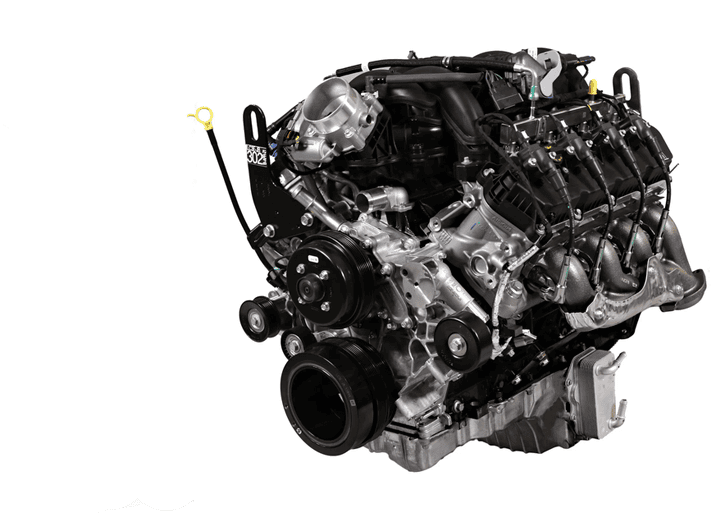
- Eight pistons move up and down inside eight cylinders.
- Two rows of four cylinders positioned at an angle to each other.
- Crankshaft converts the linear motion of the pistons into rotational power.
- Cylinders fire in a specific sequence (typically 1-8-4-3-6-5-7-2 to provide balance.
- Can be of overhead valve (OHV) or overhead camshaft (OHC) design.
How it works
As do most car and truck powerplants, modern V8 engines employ a “four-stroke” process to manage combustion. Here are the elements of that operation:
- Intake: Piston travels down in cylinder, pulling in air and fuel mixture
- Compression: Piston rises in cylinder to compress air/fuel mixture
- Combustion (power stroke): Spark ignites mixture. Resulting explosion drives piston down in cylinder, turning the crankshaft
- Exhaust: Piston rises again, forcing burnt gasses out of the cylinder
This 4-stroke cycle then begins anew.
Advantages of V8 design
The V8 layout allows for a relatively compact and rigid engine block compared to an inline eight, while providing excellent primary and secondary balance. This design generally results in smooth operation and what is often regarded as a sporty exhaust note.
Displacement
Modern-era V8 engines generally range in displacement from about 4.0-liters to less than 7.0-liters. That said, Ford offers a 7.3-liter gasoline-powered truck V8 popularly nicknamed “Godzilla.” Cadillac once offered its lineup with a monstrous 500-cubic-inch (8.1-liter) V8.
Fuel Efficiency
Fuel economy is generally lower than that of 4- or 6-cylinder engines, due mostly to cylinder count and greater displacement. Modern technology has helped improve the overall efficiency of V8 engines, employing features including:
- Variable-valve timing
- Cylinder deactivation
- Direct injection
- Multispeed automatic transmissions
Advantages of V8 Engines
- Generally smoother in operation than other engine configurations
- Superior power and power delivery
- Compact design provides plenty of power as well as easy under-hood packaging
History
The V8 engine was initially found in premium-brand automobiles. Cadillac introduced one of the first mass-produced V8s in 1914. They exploded in popularity in the 1950s and remained a common engine option through the muscle-car era from the mid-Sixties to the early Seventies.
Gasoline price increases that came as a result of the OPEC Oil Embargo of 1973 finally diminished America’s fondness for large engines in general, and the V8 specifically. Today, V8 engines are most commonly found under the hoods of full-size pickup trucks, and European luxury vehicles. In keeping with tradition, the Ford Mustang GT is also still powered by a V8 powerplant.
Listen to the Car Stuff Podcast
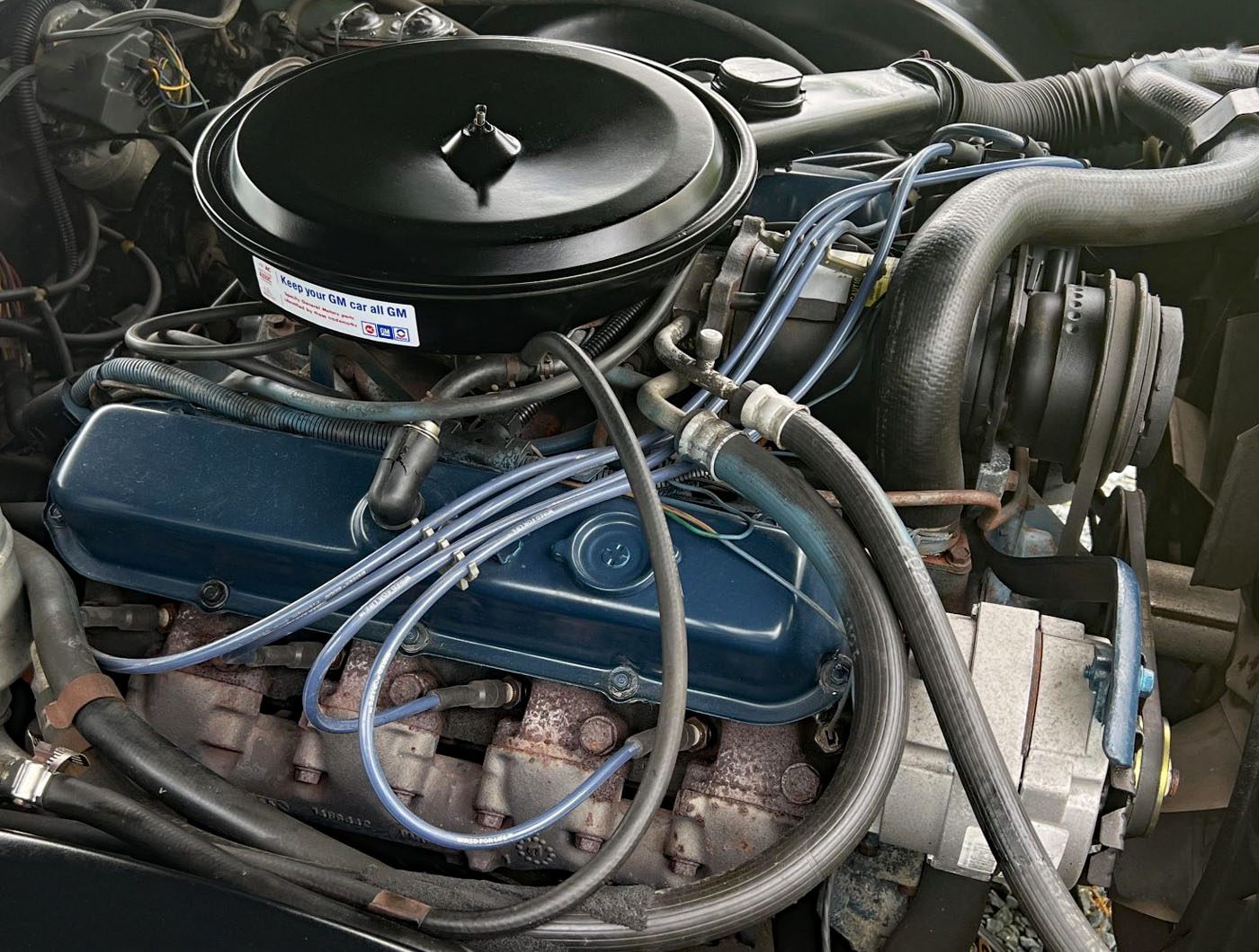
V8 Engine Pictures
(Click below for enlarged images)