
 Text by Tom Appel

2026 Toyota RAV4 Woodland Plug-in Hybrid AWD
Class: Compact Crossover
Country of manufacture: Japan
Seating capacity: 5
Color: Urban Rock
| CG Report Card | |
|---|---|
| Room and Comfort | B+ |
| Power and Performance | A |
| Fit and Finish | B |
| Fuel Economy | A |
| Value | B |
| Report-card grades are derived from a consensus of test-driver evaluations. All grades are versus other vehicles in the same class. Value grade is for specific trim level evaluated, and may not reflect Consumer Guide's impressions of the entire model lineup. | |
| Big & Tall Comfort | |
| Big Guy | B |
| Tall Guy | A- |
| Big & Tall comfort ratings are for front seats only. "Big" rating based on male tester weighing approximately 350 pounds, "Tall" rating based on 6'6"-tall male tester. | |
| Drivetrain | |
| Engine Specs | 324-horsepower 2.5-liter |
| Engine Type | Plug-in hybrid four |
| Transmission | CVT-automatic |
| Drive Wheels | AWD |
Miles Driven: 110
Observed fuel economy: 48.9 mpg
Driving mix: 65% city, 35% highway
EPA-estimated fuel economy: 94 MPGe/37 mpg (city/highway combined)
EPA-estimated battery range: 50 miles
Fuel type: Regular gas
Base price: $45,300 (not including $1450 (destination charge)
Options on test vehicle: Moon roof ($850), NACS to CCS charge adapter ($200), black wheel locks ($90), accessory lantern ($160)
Price as tested (2025): $48,050
Audio-System Brand
N/A
Audio-System Quality
Poor Fair Good Very-Good Excellent
Pros and Cons
The great: Class leading ride comfort and efficiency
The good: Roomy cabin, plenty of power
The not so good: PHEV drivetrain drives up price, gas engine sounds coarse at low speed
Review
Roughly 7 million units into the model’s run, Toyota has completely redesigned the RAV4, and almost entirely for the better. First seen in the U.S. for the 1996 model year, the RAV has largely defined the compact-crossover segment since, which is now the highest-volume new-vehicle category in the U.S.
Though Toyota’s popular crossover is all new for ’26, it is little changed in size. That said, some big news is afoot.
What’s New?
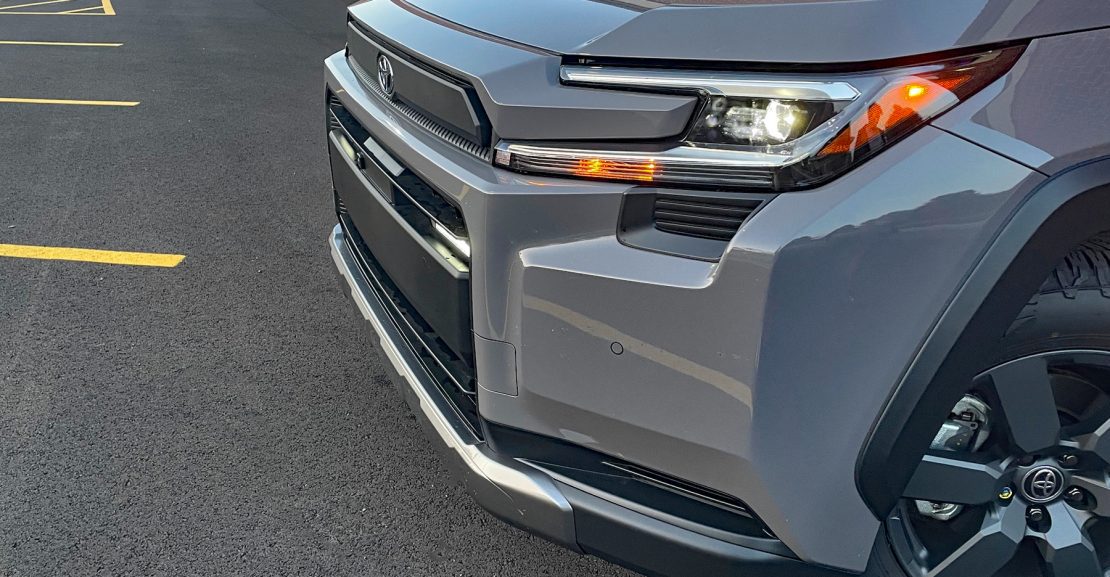
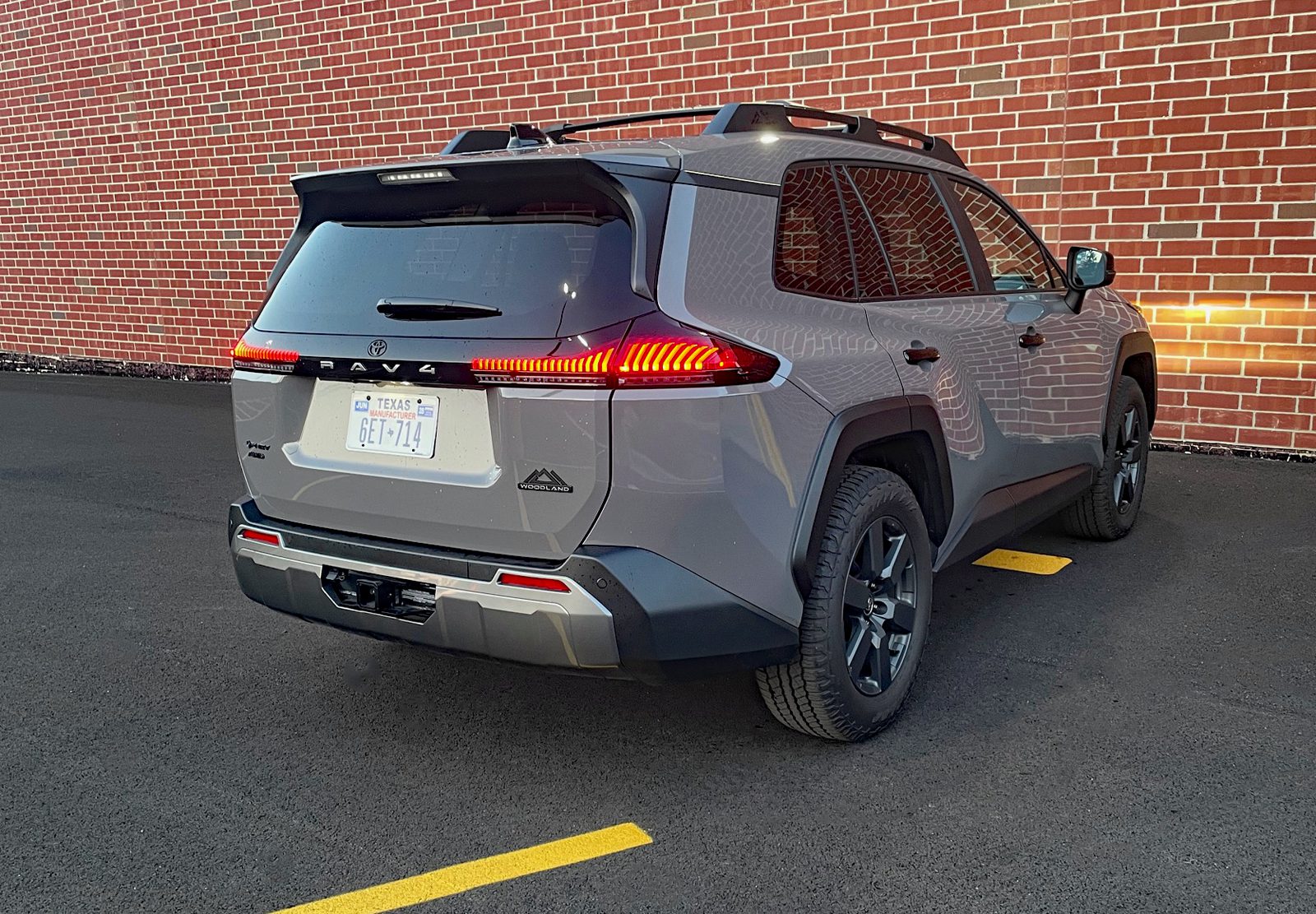
Updates for the new year include all new styling (in three “themes”), a major drivetrain changeup, Toyota’s Safety Sense 4.0 suite of safety and driver-assistance features, new “Arene” infotainment-system software, and a few luxury upgrades, including a promised quieter can with upgraded interior materials.
Toyota has grouped the 2026 RAV4 trim-level lineup by design themes: core, rugged, and sporty. We’ll break those down momentarily.
Safety Sense 4.0
The updated Safety Sense group—standard on all RAVs—includes these Toyota-branded systems:
- Pre-Collision System with Pedestrian Detection
- Full-Speed Range Dynamic Radar Cruise Control
- Lane Departure Alert with Steering Assist
- Lane Tracing Assist
- Automatic High Beams
- Road Sign Assist
- Proactive Driving Assist
All Hybrid
The big news, though, comes under the hood. Like the brand’s Sienna minivan and Camry midsize sedan before it, the RAV4 has gone hybrid-only for 2026. Gone is the RAV’s 203-horsepower 2.5-liter four, replaced by a 226-horsepower hybrid setup (236 horsepower with AWD). Those numbers also beat the previous generation’s available hybrid, which was rated at 209 horsepower.
Plug-in Hybrid (PHEV)
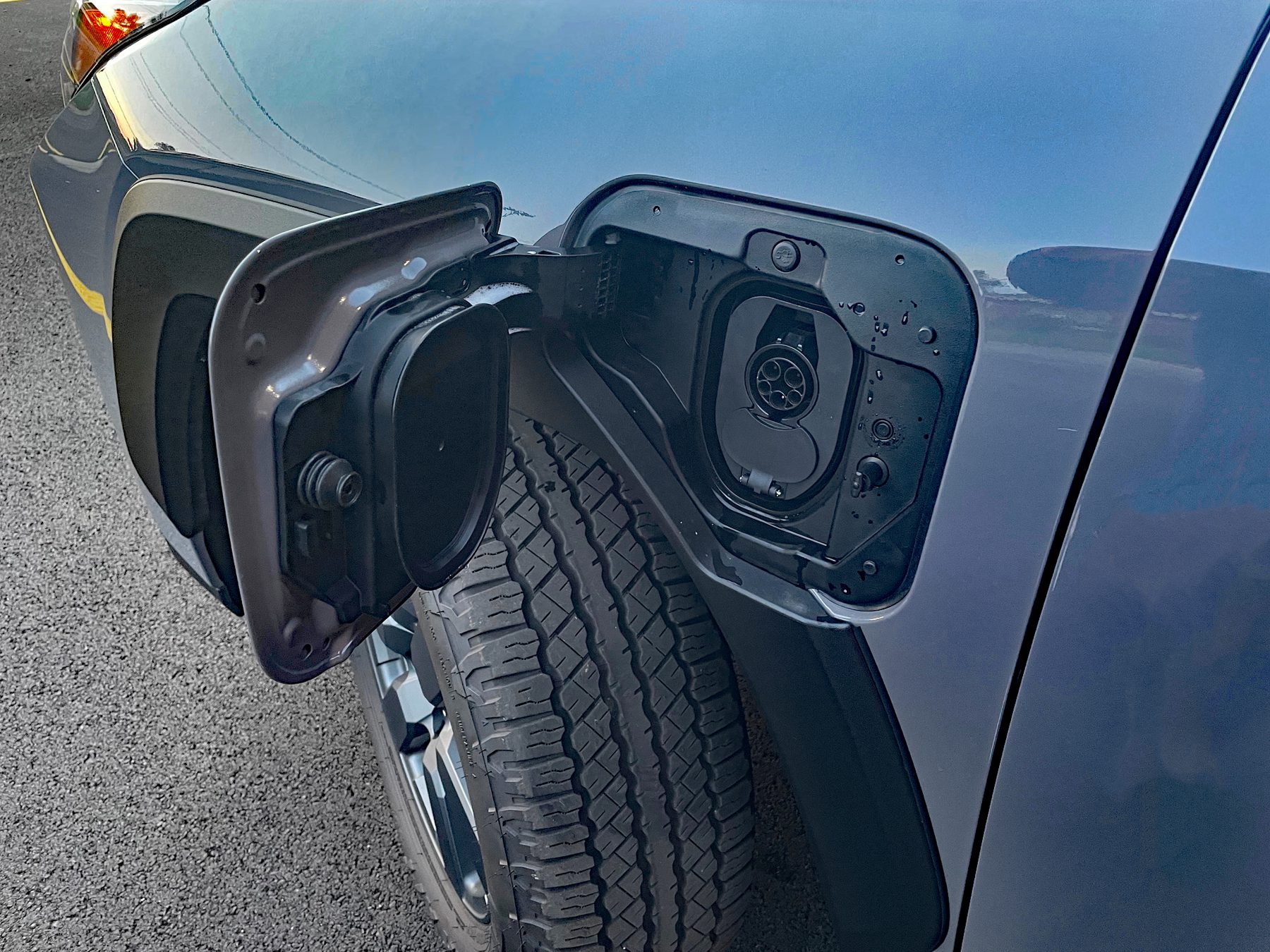
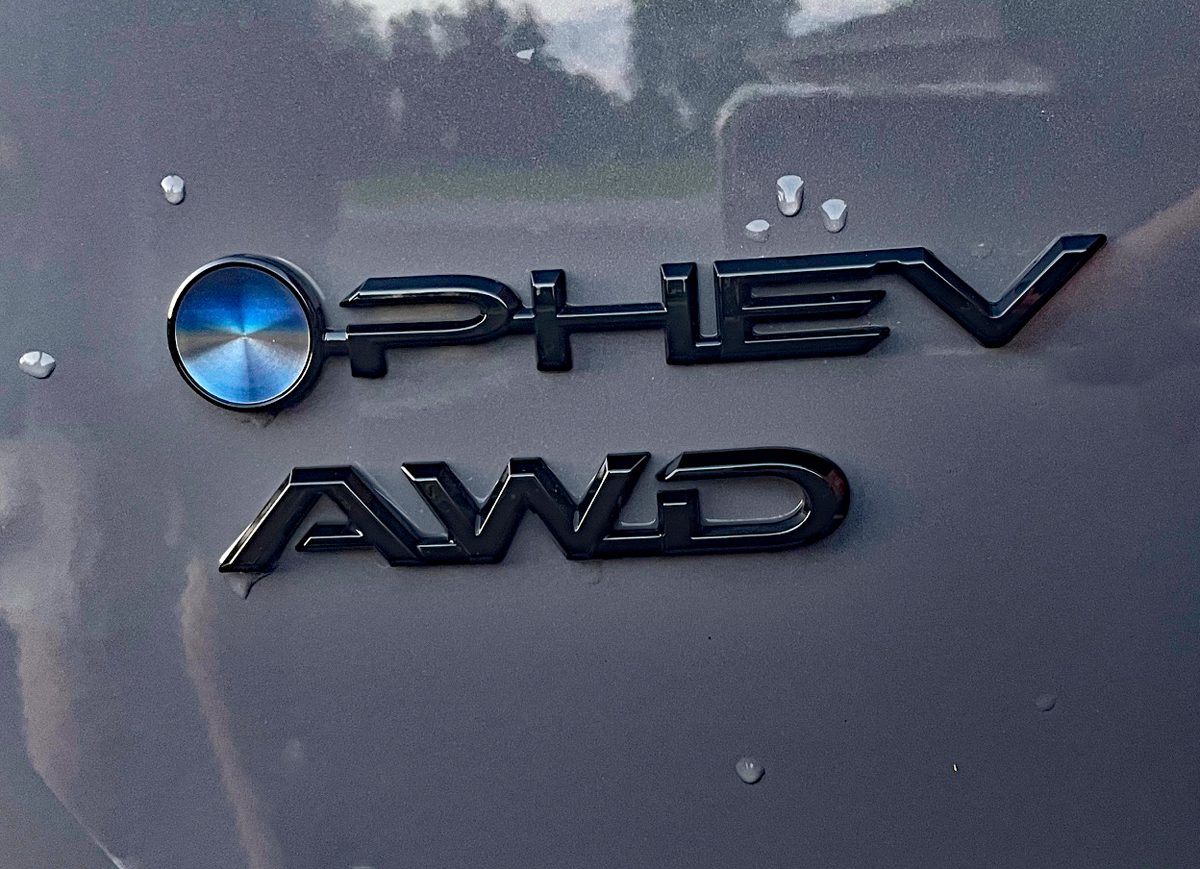
Also improved for 2026 is the plug-in hybrid (PHEV) RAV4 variant, which picks up both power and range as part of the 2026 redesign. Now rated at 324 horsepower (up from 302), the PHEV travels a claimed 50 miles on a full battery charge, that’s up from 42. The RAV4 PHEV comes only with AWD.
Prices and Trim Levels
Here’s a look at the 2026 RAV4 trim level lineup:
Hybrids
- LE ($33,495)
- SE ($36,295)
- XLE Premium ($37,695)
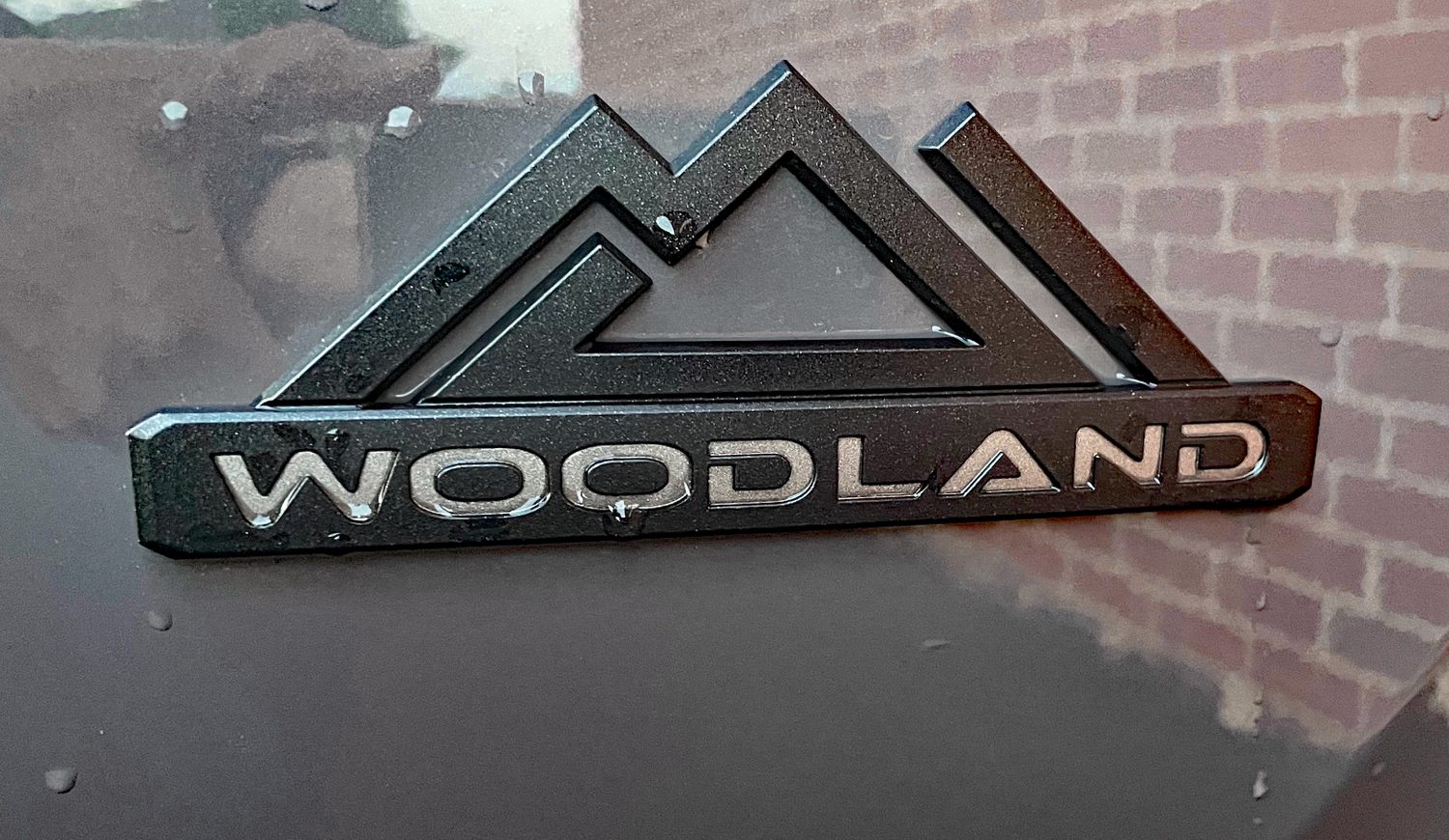
- Woodland ($41,495)
- XSE ($42,895)
PHEVS
-
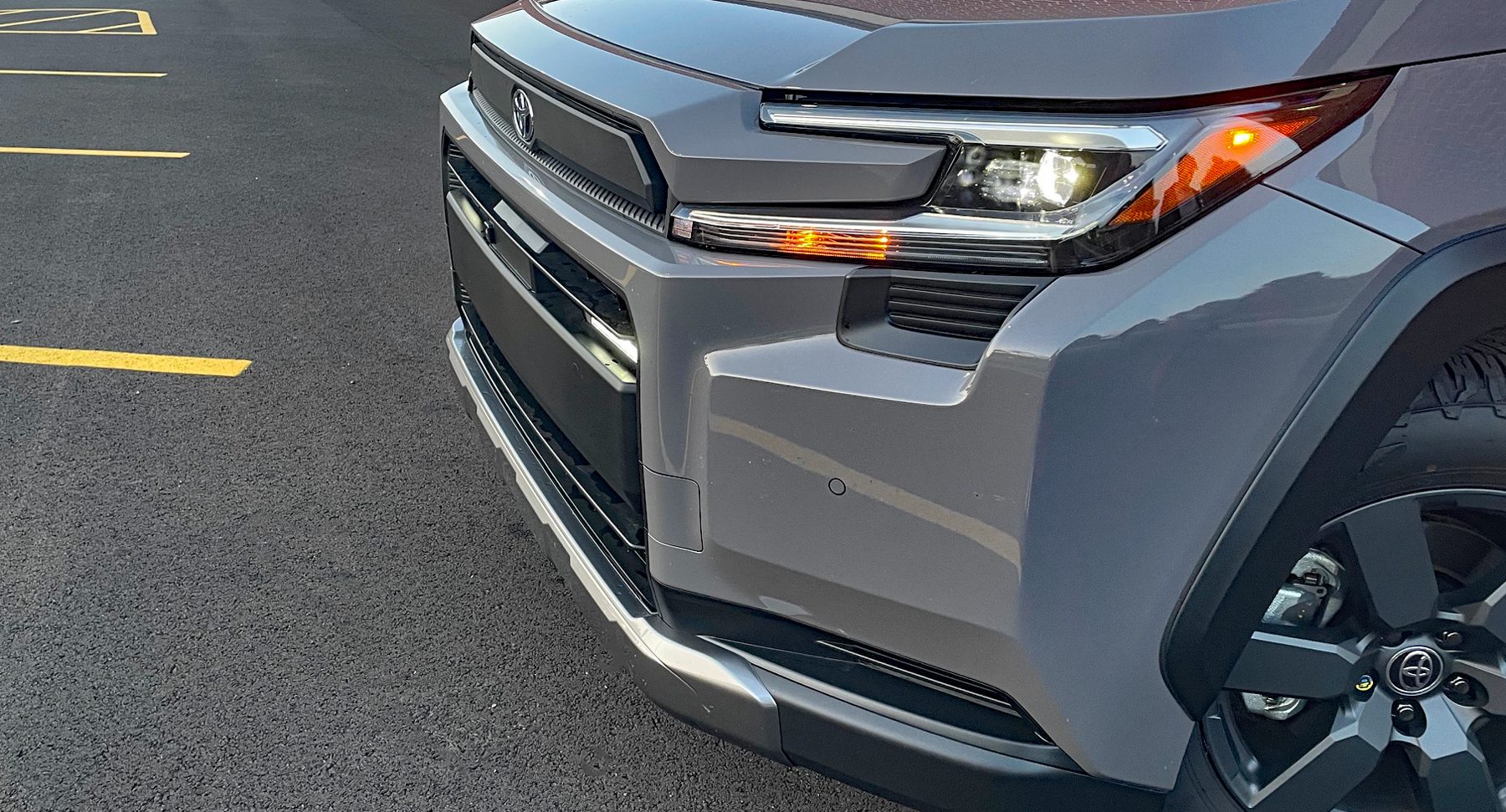
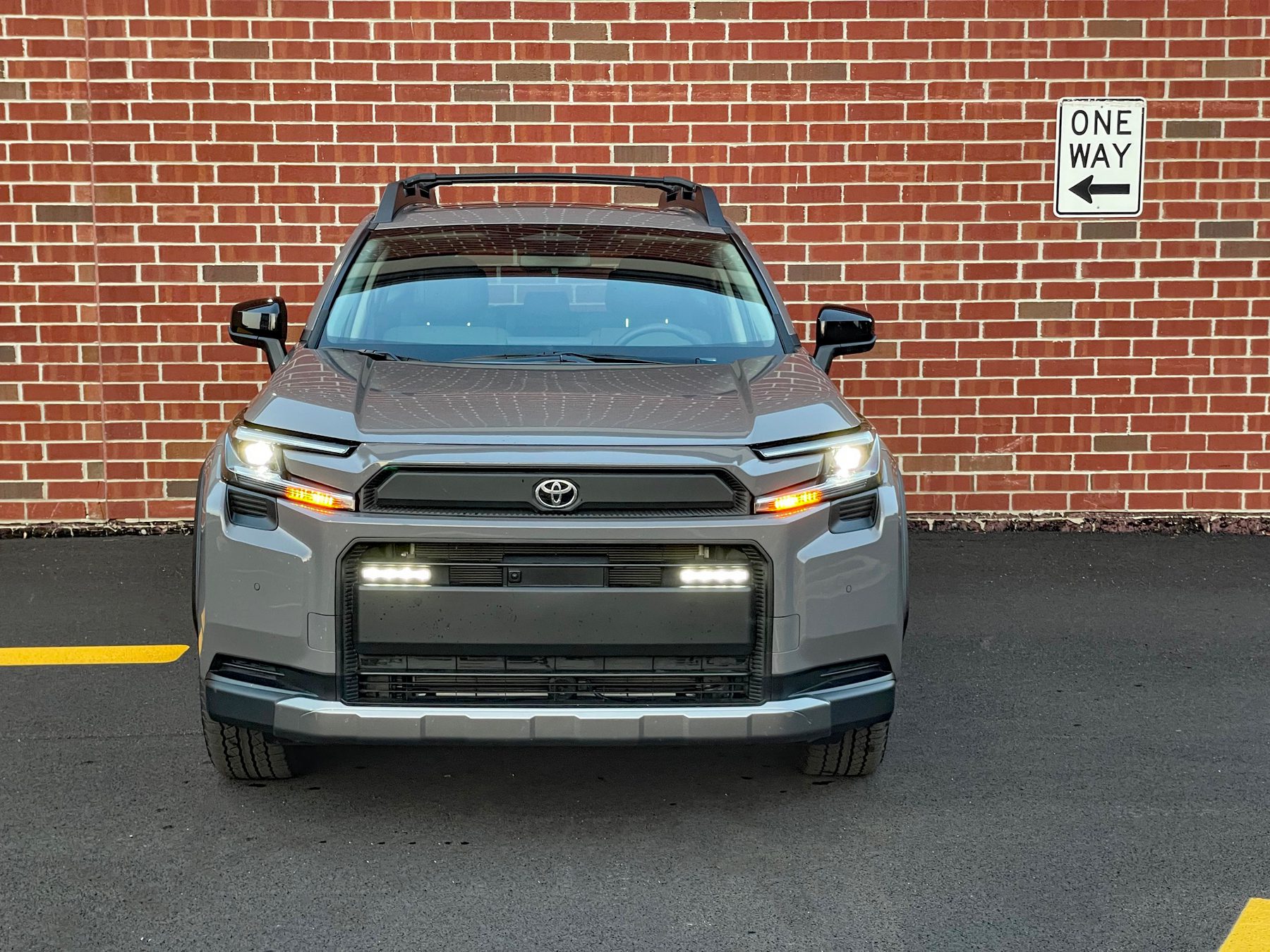
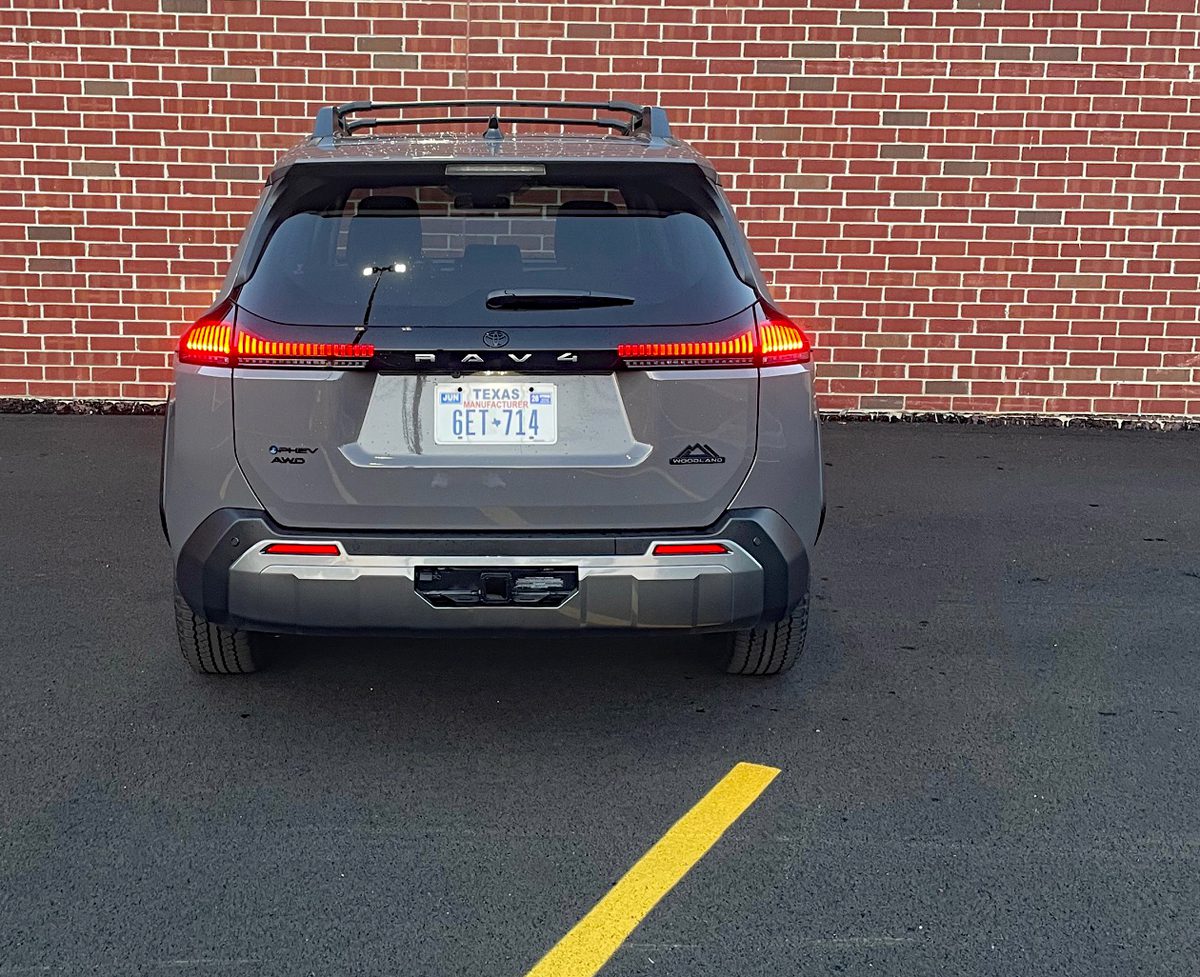
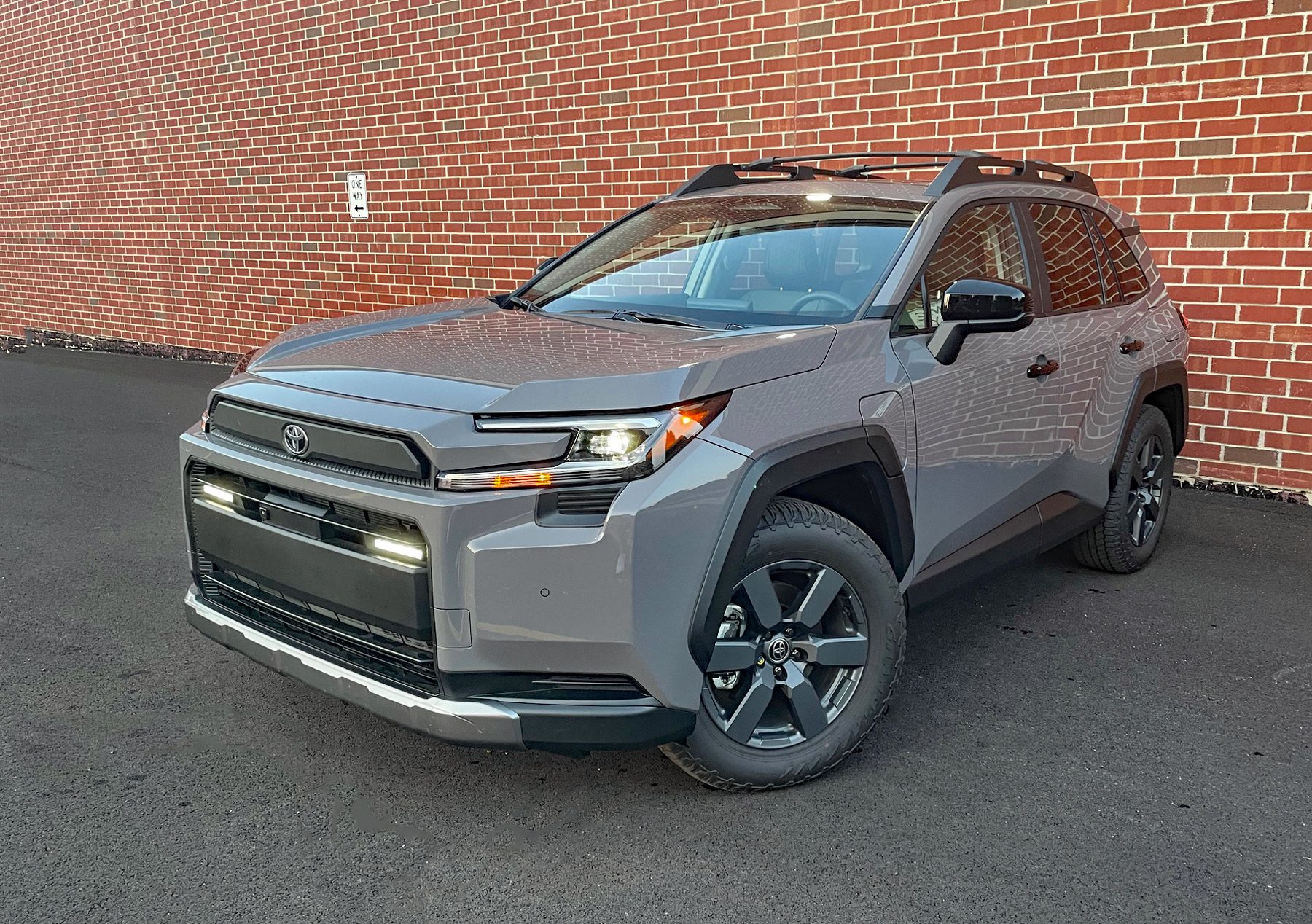
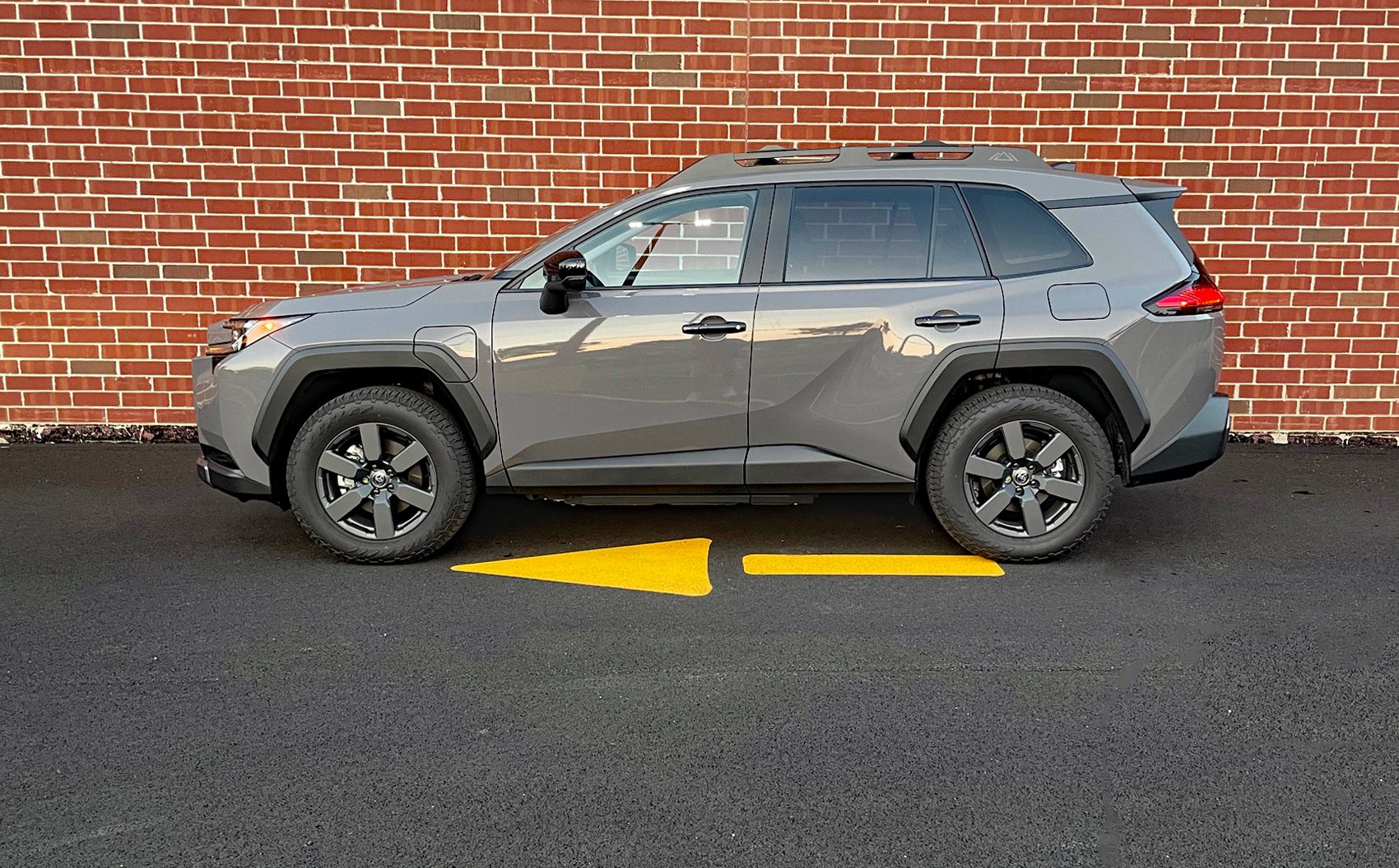
2026 Toyota RAV4 Woodland PHEV in Urban Rock SE PHEV ($43,095)
- Woodland PHEV ($46,895)
- XSE PHEV ($48,795)
- GR PHEV ($50,095)
As for Toyota’s design families, the SE and XLE feature “core” design, the Woodland is “rugged,” and the XSE and GR “sporty.”
RAV4 GR PHEV
And as for the GR—which is available only in PHEV trim—it boasts some serious chassis upgrades, including a sport suspension, and recalibrated steering. Power, however, is not increased.
Test Car
Consumer Guide recently spent a week behind the wheel of a 2026 RAV4 Woodland PHEV in Urban Rock. We suspect, by the way, that folks attempting to guess what Urban Rock looks like would ever come up with the shade seen on our test car.
All told, including destination charge, our test vehicle came to $48,050.
Woodland Equipment
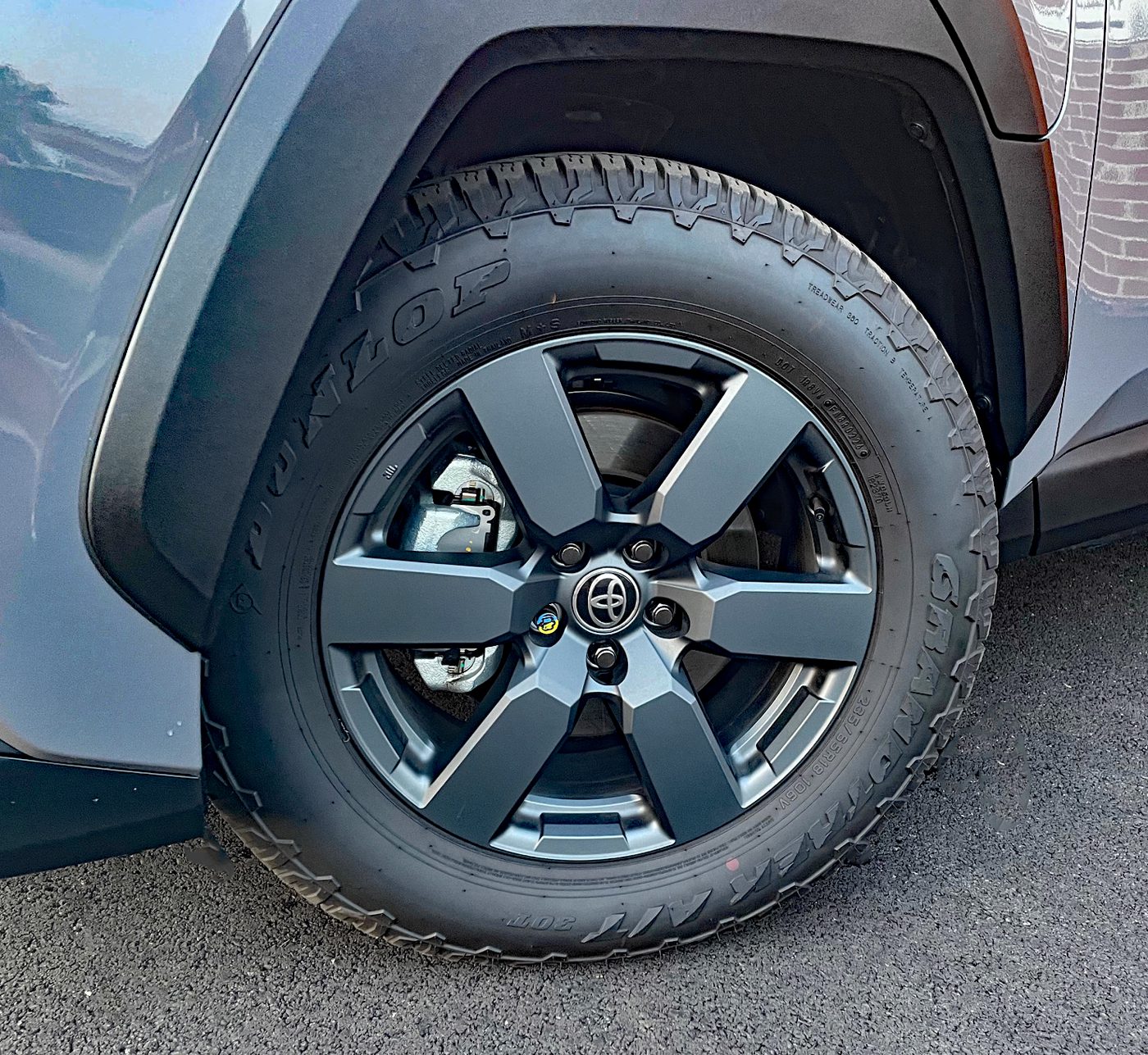
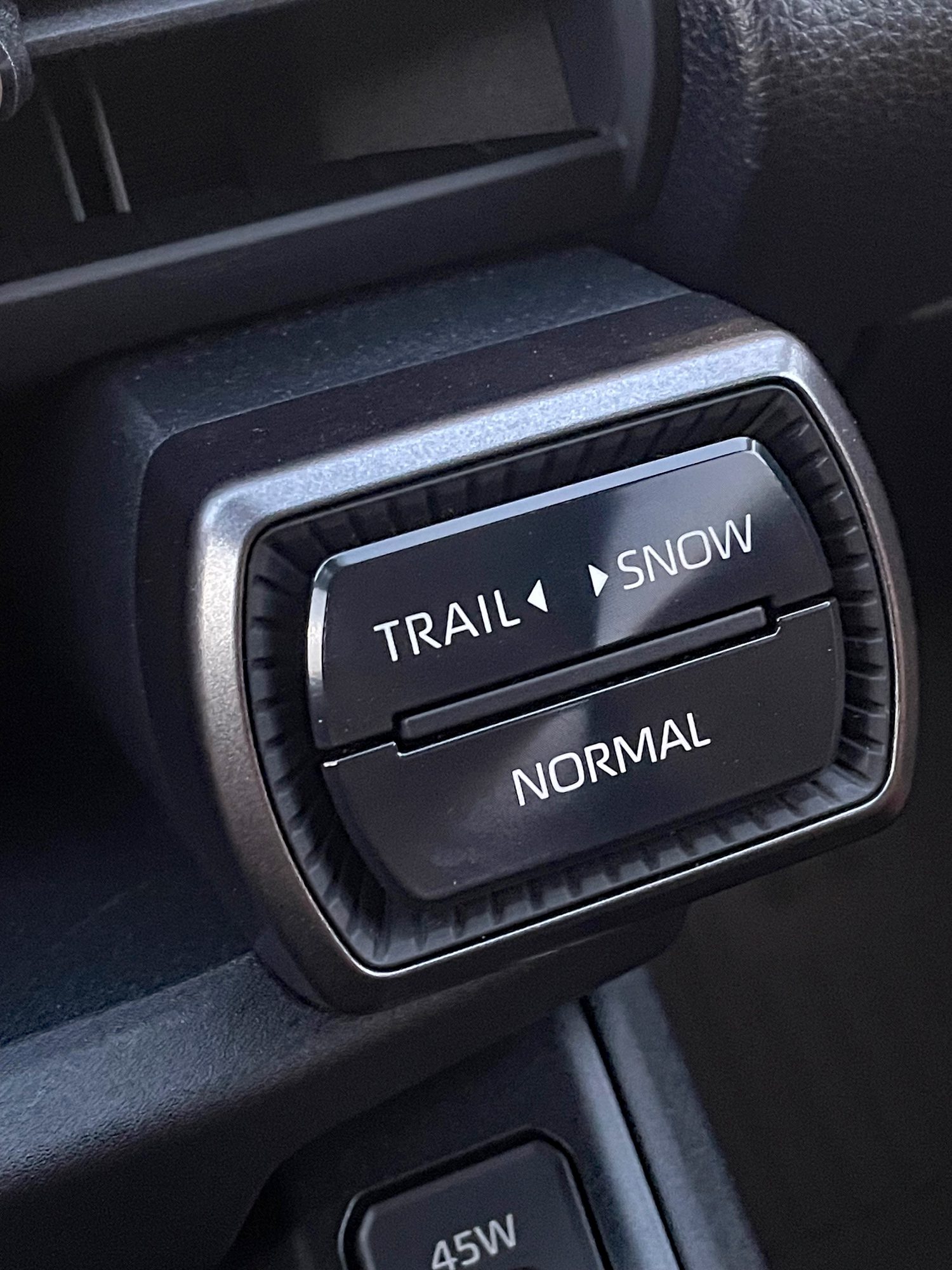
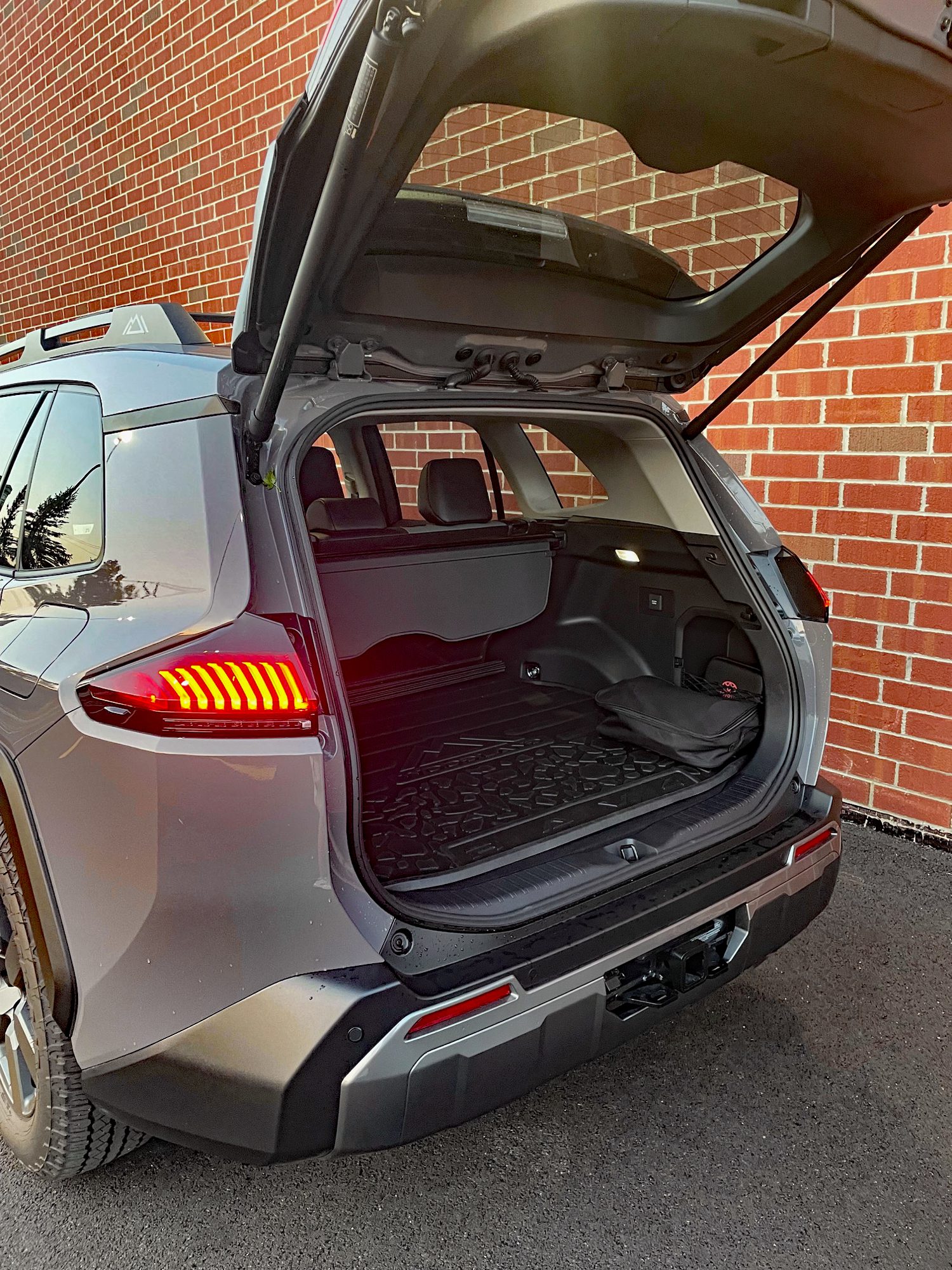
While the Woodland trim is primarily about looking rugged, there is some gravel-traversing equipment worth knowing about. Included are all-terrain tires, a small increase in ride height, unique roof rails, and standard AWD.
Room and Comfort
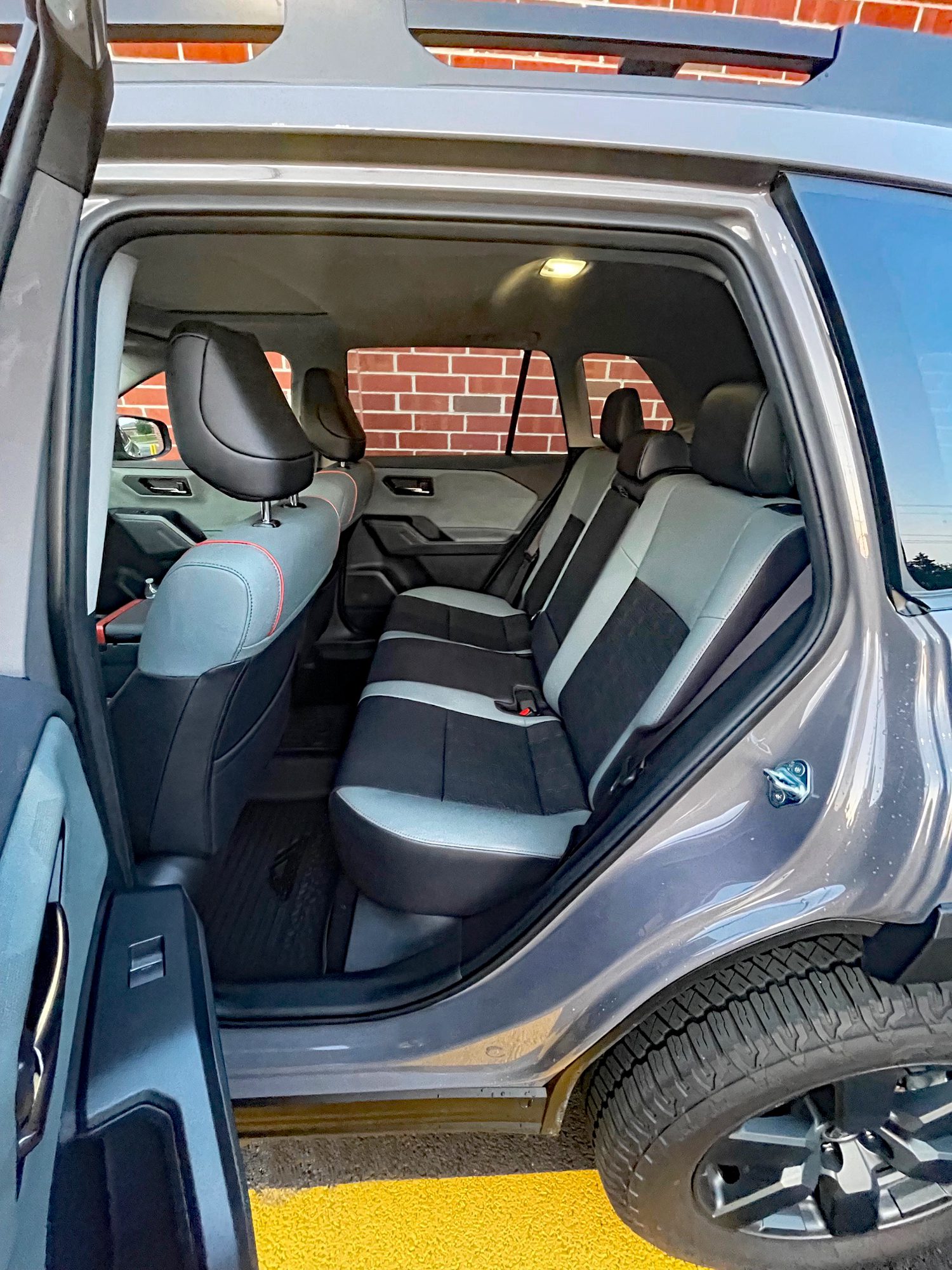
In terms of size, the RAV4 is about mid-pack for the compact crossover category, and has not grown for 2026. The vehicle easily accommodates four adults, but the front doors don’t open very wide, which is a mild annoyance when it comes to entering and exiting the vehicle.
Once inside, there plenty of room for most folks, though taller front-row occupants will find that the wide center console limits leg stretch-out space. Rear seat knee room can be a little tight, especially behind taller front-row occupants. The rear doors do open a little wider than those up front, however.
Connectivity
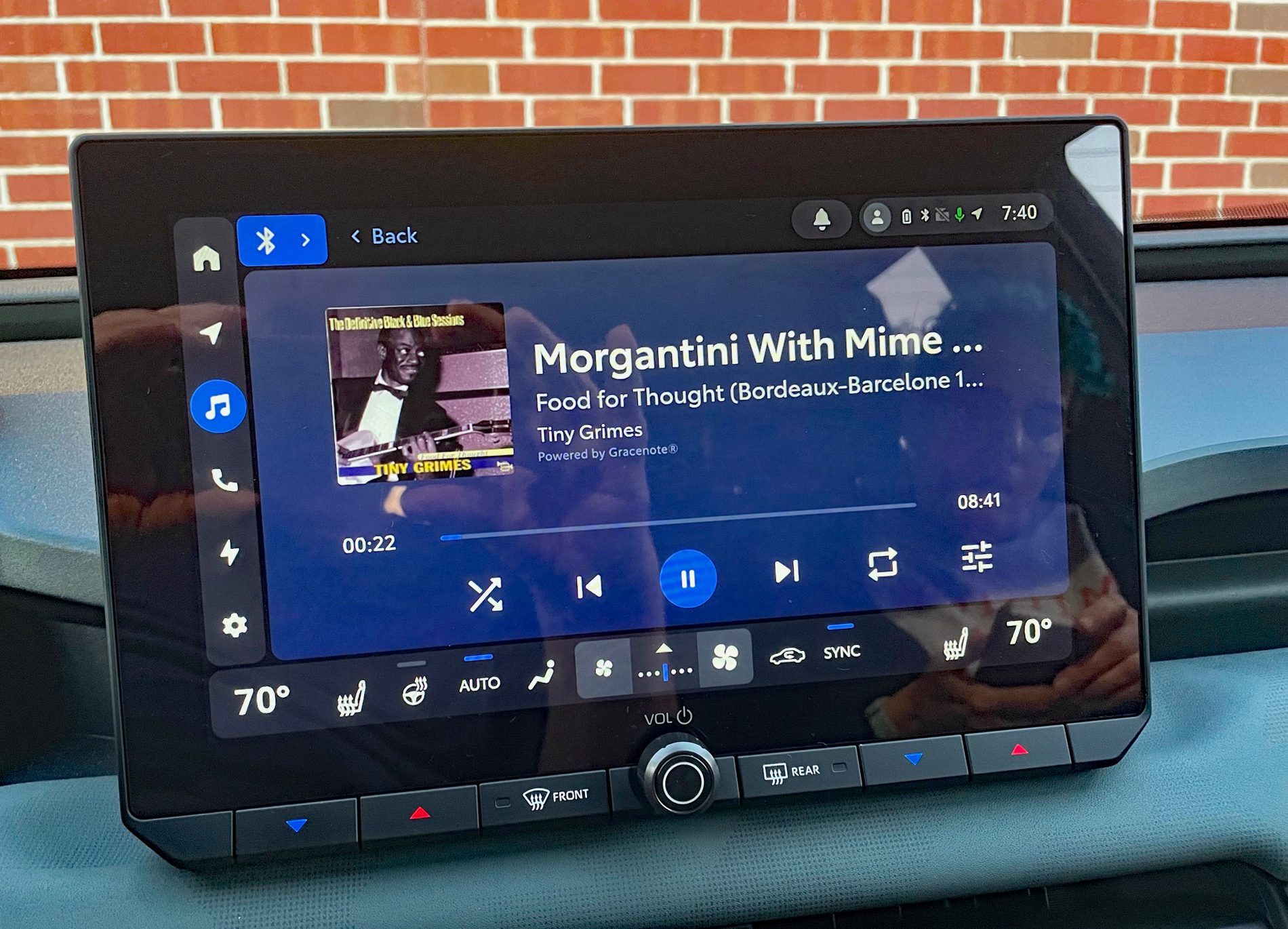
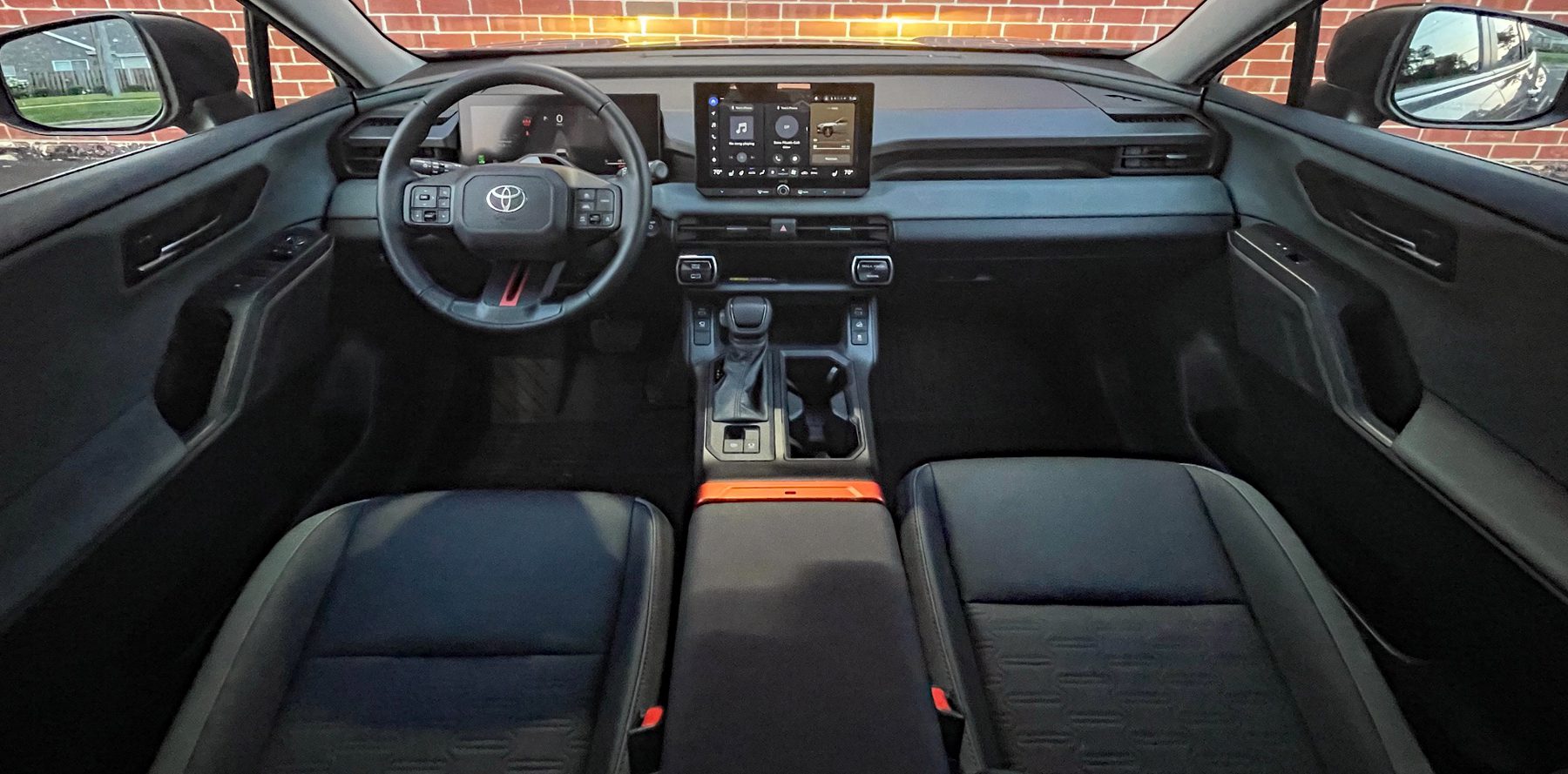
For all the hoopla over the new tech, we’re please to report the infotainment system works just fine, and doesn’t require much in the way of acclimation.
Materials and Workmanship
The new RAV’s cabin appointments are nice, and do represent a step up from the previous generation, but they still don’t elevate the crossover to the top of the class in terms of premium feel. While there’s nothing wrong with the RAV4 interior, it trails the likes of the Hyundai Tucson and Kia Sportage for luxury ambiance. Assembly quality, however, appears top notch.
Ride and Handling
Underway the RAV4 feels refined in every way but one. Ride and handling have improved for 2026, and the compact Toyota feels like a larger vehicle—in a good way. Cabin quietness is also commendable, except for engine noise, which we will address in a moment.
While the RAV4 isn’t exactly fun to drive, it handles with the cool competence of a well-designed vehicle, though we’d appreciate a little more steering feel.
Power and Performance
There is all sorts of power, however, as the PHEV systems delivers sports-car like thrusts and outstanding fuel economy.
Like all PHEV vehicles, the drivetrain is silky smooth—and quiet—while operating on battery power. And while the gas engine isn’t crude feeling, it is noisy when it finally kicks in to help power the vehicle. This sort of a shame, as the RAV is otherwise refined in operation.
Fuel economy
The EPA rates the RAV4 PHEV for 50 miles of battery range, and we came close. In Consumer Guide testing, we enjoyed 43 miles of gas-free operation before the gas engine kicked in.
More impressive, we recorded almost 50 mpg in routine driving. This, over 110 miles including one full battery change, and no further charging.
Value
The new RAV4 upholds the model’s reputation for balanced utility, general refinement, and efficient operation. Indeed, if you liked the old RAV, you’re going to like the new one. After all, 7 million consumers can’t be wrong.
As for the PHEV: Toyota has closed the price gap between the hybrid and PHEV RAV4 models, with the Woodland PHEV coming in just $5400 more than the conventional Woodland. If you are committed to charging your vehicle on a regular basis, the RAV4 PHEV offers a great deal of family-friendly utility as well as efficient operation. Remember, too, the PHEV will bring more money than the standard RAV at resale time.
Listen to the Car Stuff Podcast
2026 Toyota RAV4 Woodland PHEV Pictures
Click below for enlarged images