
 Text by Tom Appel
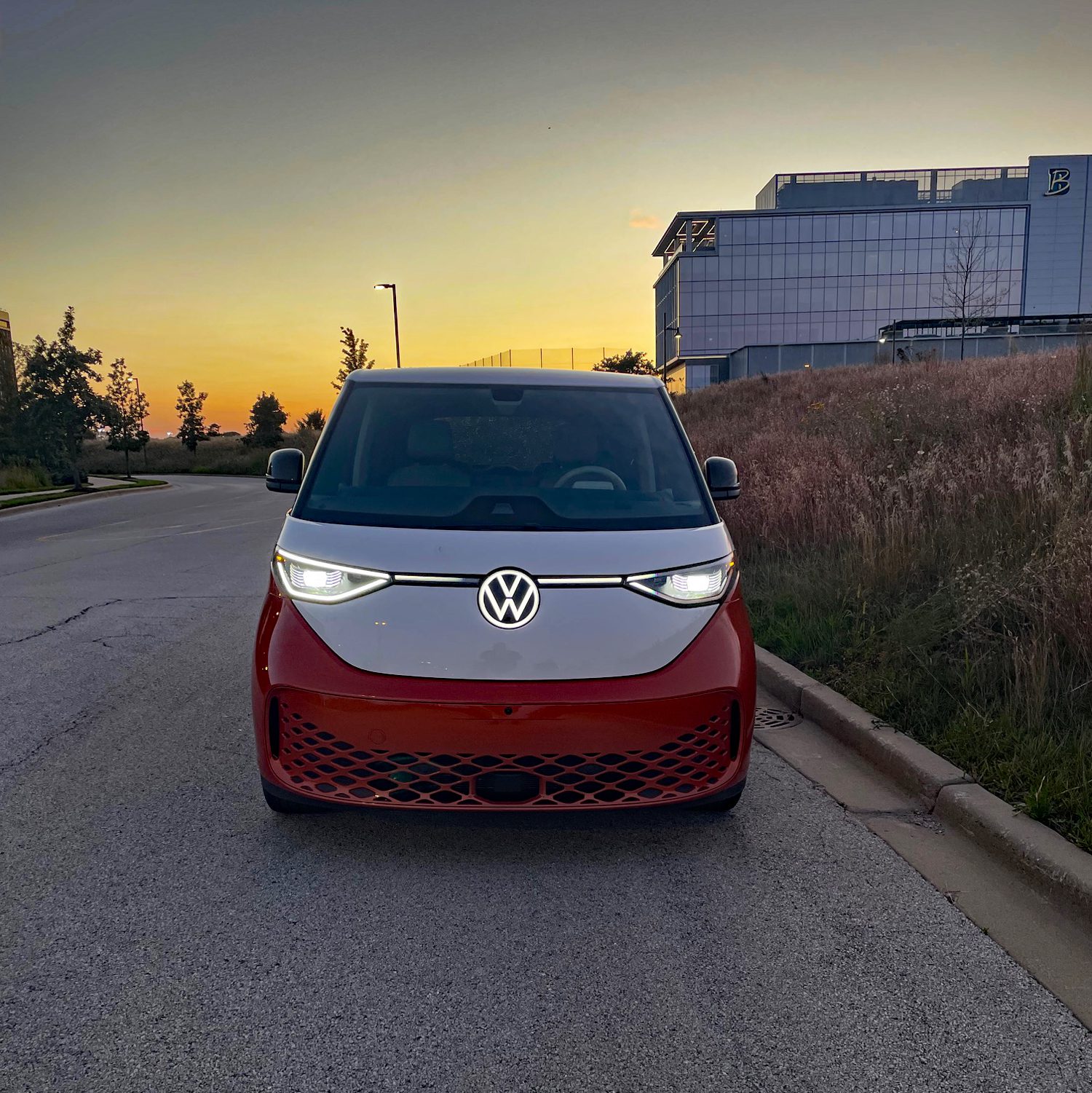
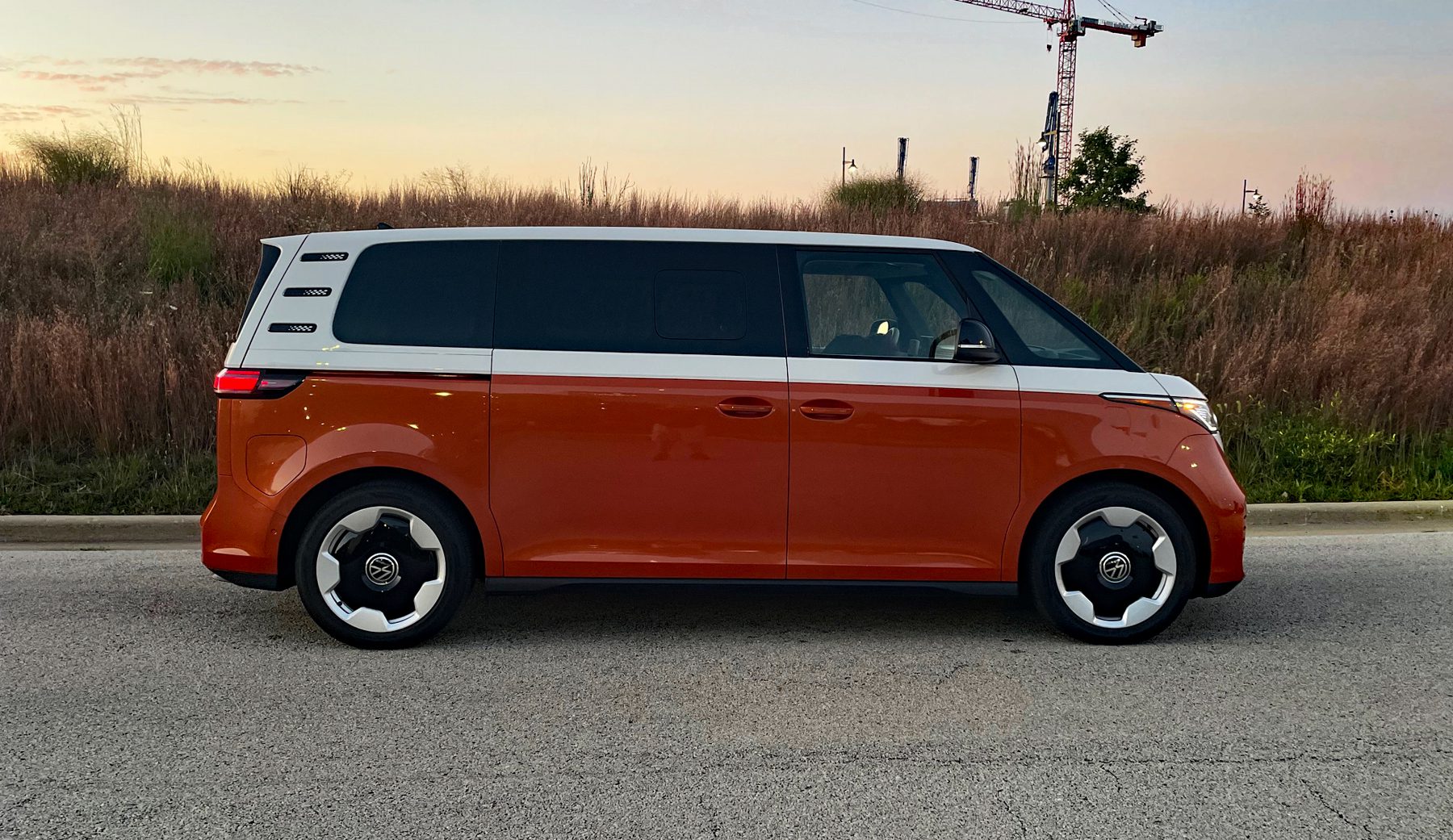
2025 Volkswagen ID. Buzz Pro S Plus 4Motion
Specs
Class: Minivan
Country of Manufacture: Germany
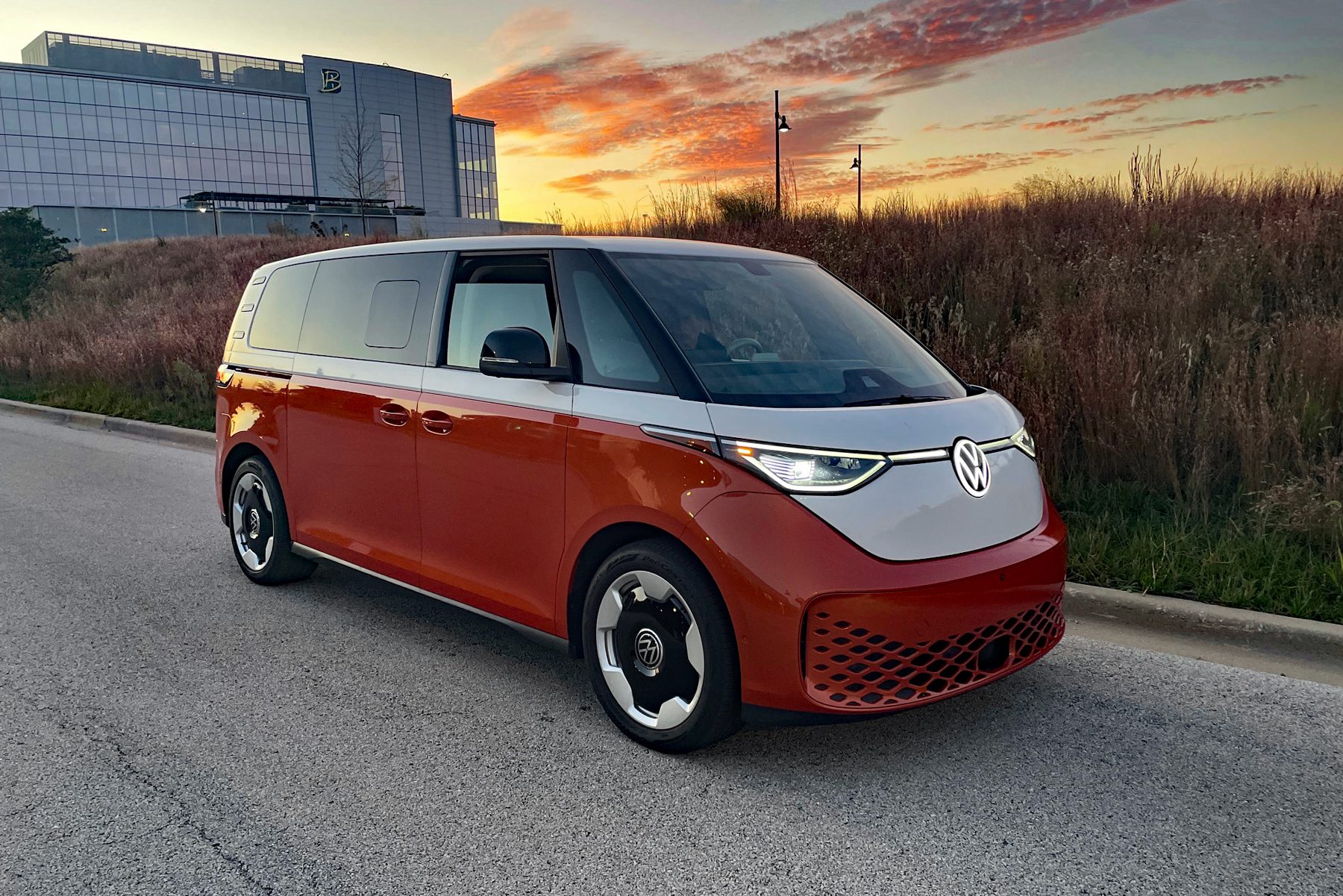
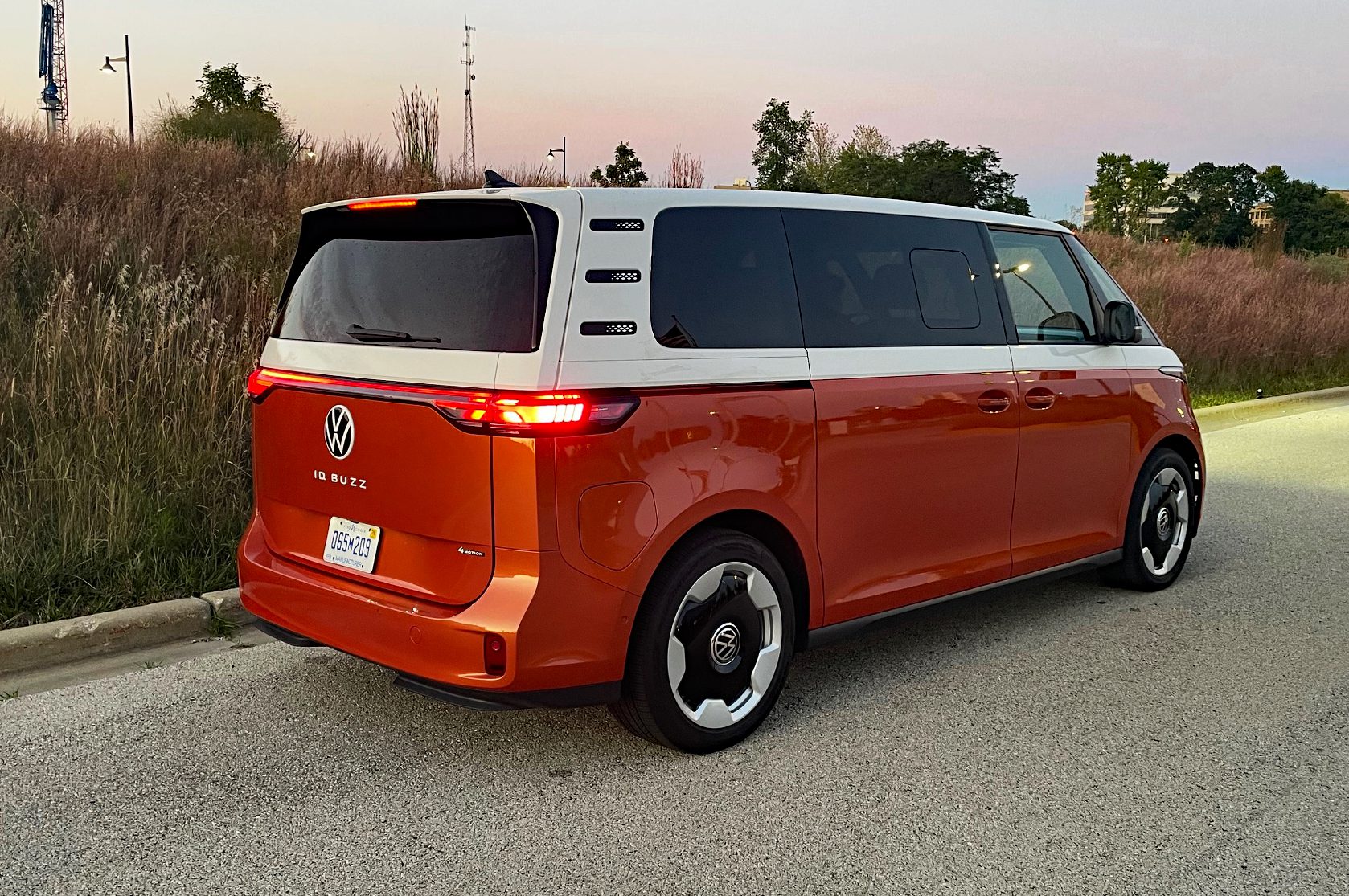
Color:Energetic Orange
Miles driven: 173
| CG Report Card | |
|---|---|
| Room and Comfort | A |
| Power and Performance | A |
| Fit and Finish | B |
| Fuel Economy | A |
| Value | C |
| Report-card grades are derived from a consensus of test-driver evaluations. All grades are versus other vehicles in the same class. Value grade is for specific trim level evaluated, and may not reflect Consumer Guide's impressions of the entire model lineup. | |
| Big & Tall Comfort | |
| Big Guy | A |
| Tall Guy | A |
| Big & Tall comfort ratings are for front seats only. "Big" rating based on male tester weighing approximately 350 pounds, "Tall" rating based on 6'6"-tall male tester. | |
| Drivetrain | |
| Engine Specs | 335-horsepower |
| Engine Type | Dual electric motors |
| Transmission | Automatic |
| Drive Wheels | AWD |
Battery capacity: 86 kWh
EPA-estimate MPGe: 87 city/74 hwy/80 combined
EPA-estimated driving range: 231 miles
Consumer Guide range estimate (ideal conditions): 275+ miles
Charge Port Location: Rear passenger-side fender
Snow Performance: N/A
Base price: $67,995 (not including $1550 destination charge)
Options on test vehicle: 2-tone paint ($995)
Price as tested: $70,540
Pros and Cons
The great: Mood-improving design, roomy and comfortable cabin, fun to drive
The good: Great outward visibility, interior quietness
The not so good: Limited battery range, disappointing cargo space aft of 3rd-row seatbacks
Review
Depending on when you first became aware of Volkswagen’s intentions to produce a Microbus-revival minivan, it’s possible you’ve been waiting for this attention-grabbing family hauler for quite a while.
Microbus Concept Cars
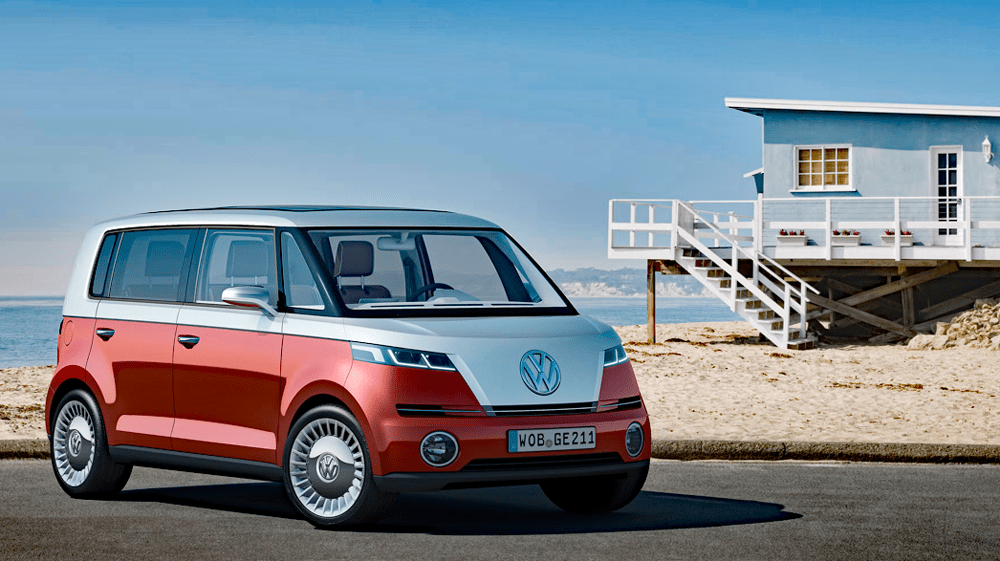
Volkswagen first showed a retro minivan at the 2001 Detroit Auto Show, more than 20 years ago. Though the Bulli Concept was not an electric vehicle (EV), it was both modern looking and reasonably faithful to VW’s design heritage.
The German maker again teased brand fans, this time with the ID. Buzz Concept, also revealed in Detroit, this time in 2017. The “Buzz” was intended to be an electric vehicle from the start, but its arrival in the U.S. as a production model was delayed by a number of obstacles, including corporate infighting over which versions of the van were best suited for the U.S. market. (Only the long-wheelbase version of the ID. Buzz is exported to the U.S., while European customers also have access to a somewhat tidier, less-expensive version of the van.)
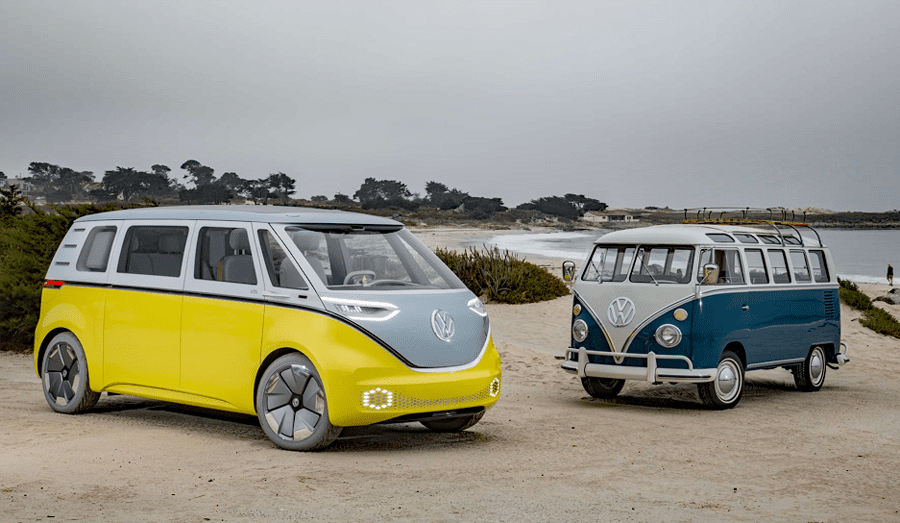
Given the electric van’s retro-fun design, and general party attitude, it came as no surprise that shoppers, enthusiasts, and members of the media, called loudly for production of the ID. Buzz, and, of course, availability in the U.S.
Slow Sales
But American car shoppers can be unpredictable, and despite the excitement preceding the ID. Buzz retail launch late last year, sales in 2025 have been disappointing. Through the first three quarters of ’25, VW has sold fewer than 5000 examples of its electric minivan. During the same period, Toyota put more than 75,000 Sienna minivans in American garages.
Remembering the New Beetle
Note that Volkswagen has enjoyed nostalgia-based model success before. The German maker successfully peddled more than a million New Beatles in the U.S. between 1998 and 2010, and a couple hundred thousand more dubbed simply “Beetle” after that. This despite the fact that the New Beetle had almost nothing in common with the original VW Type 1, except its scarab-like silhouette.
ID Buzz Sales Barriers
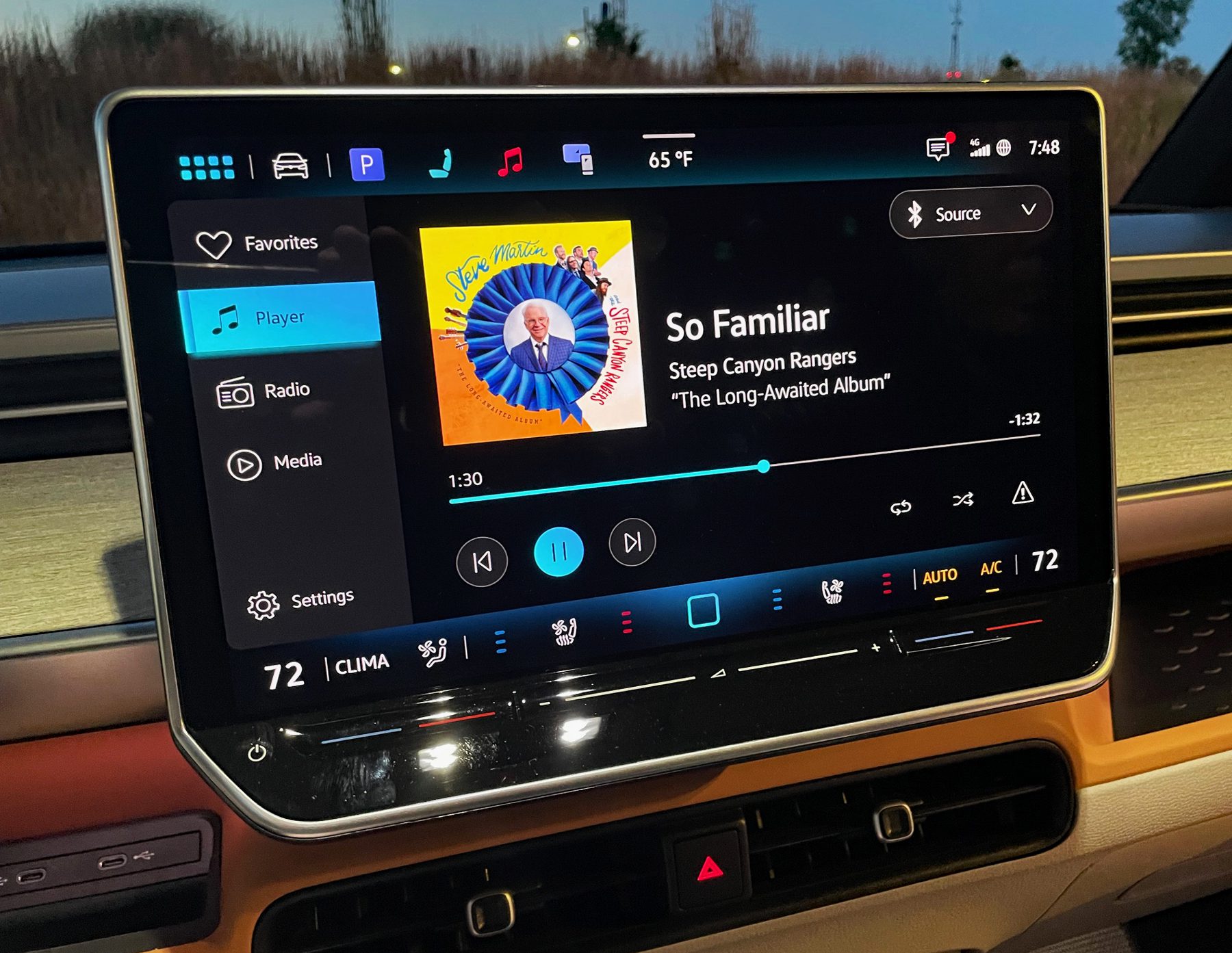
There are a few factors working against the ID. Buzz acceptance however, and we’ll address each of these:
- It’s electric
- It’s expensive
- It’s shy on cargo space
- Its battery range is disappointing
But, in the van’s defense, it is also a joy to drive.
Halo Car
In a conversation with this author on a recent episode of the Consumer Guide Car Stuff Podcast, Volkswagen Head of Communications (since retired) Mark Gillies explained that the ID. Buzz was never intended to be a volume seller, but instead a boutique model meant to serve as a halo product for the brand. You can listen to that conversation here.
In that conversation, Gillies noted that despite the Buzz’s early slow sales, the maker has no plan to offer a gasoline or gas/electric hybrid versions of the van. The ID. Buzz was designed to be an electric vehicle.
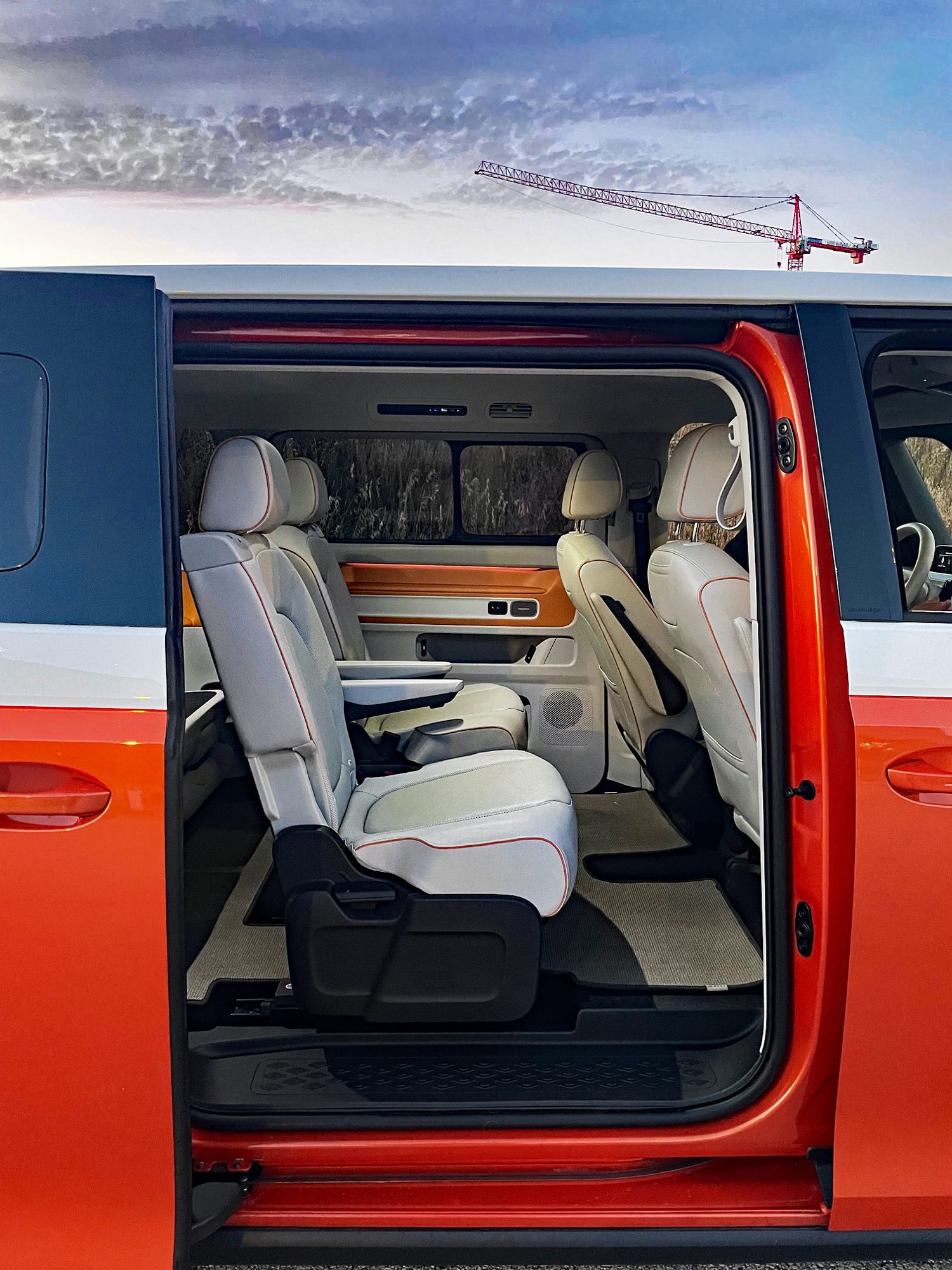
Prices and Trim Levels
For 2025, the ID Buzz is offered in three trim levels:
- Pro S ($61,545)
- Pro S Plus ($65,045)
- 1st Edition ($68,040)
We expect the 1st Edition model to disappear for 2026, likely to be replaced by a special-edition trim level of some sort.
Engines
Pro S models feature a single rear-axle motor rated at 282 horsepower, and are EPA estimated to travel 234 miles on a single charge. Pro S Plus and 1st Edition Buzz variants feature front and rear motors (making them AWD) and are rated at a combined 335 horsepower, and travel 234 miles on a full charge. All models draw power from a standard 86-kWh battery.
Standard Equipment
All three models come well equipped with a full complement of safety kit and worthwhile accessories. Pro S Plus and 1st Edition also include head-up instrumentation, Harman Kardon-brand premium audio, overhead-view camera, and a nifty cargo-area storage system (see picture below), among other features.
Color Availability
Sadly–adding to the impression that that the van is expensive–one of the ID. Buzz’s signature characteristics, it’s fun color palette, is limited on base models. Pro S shoppers have only two 2-tone choices, blue and white, and red and gray. And, as seen above, stepping up to the next trim level adds $4000 to the bottom line, PLUS the cost of the 2-tone paint option ($995).
Test Car
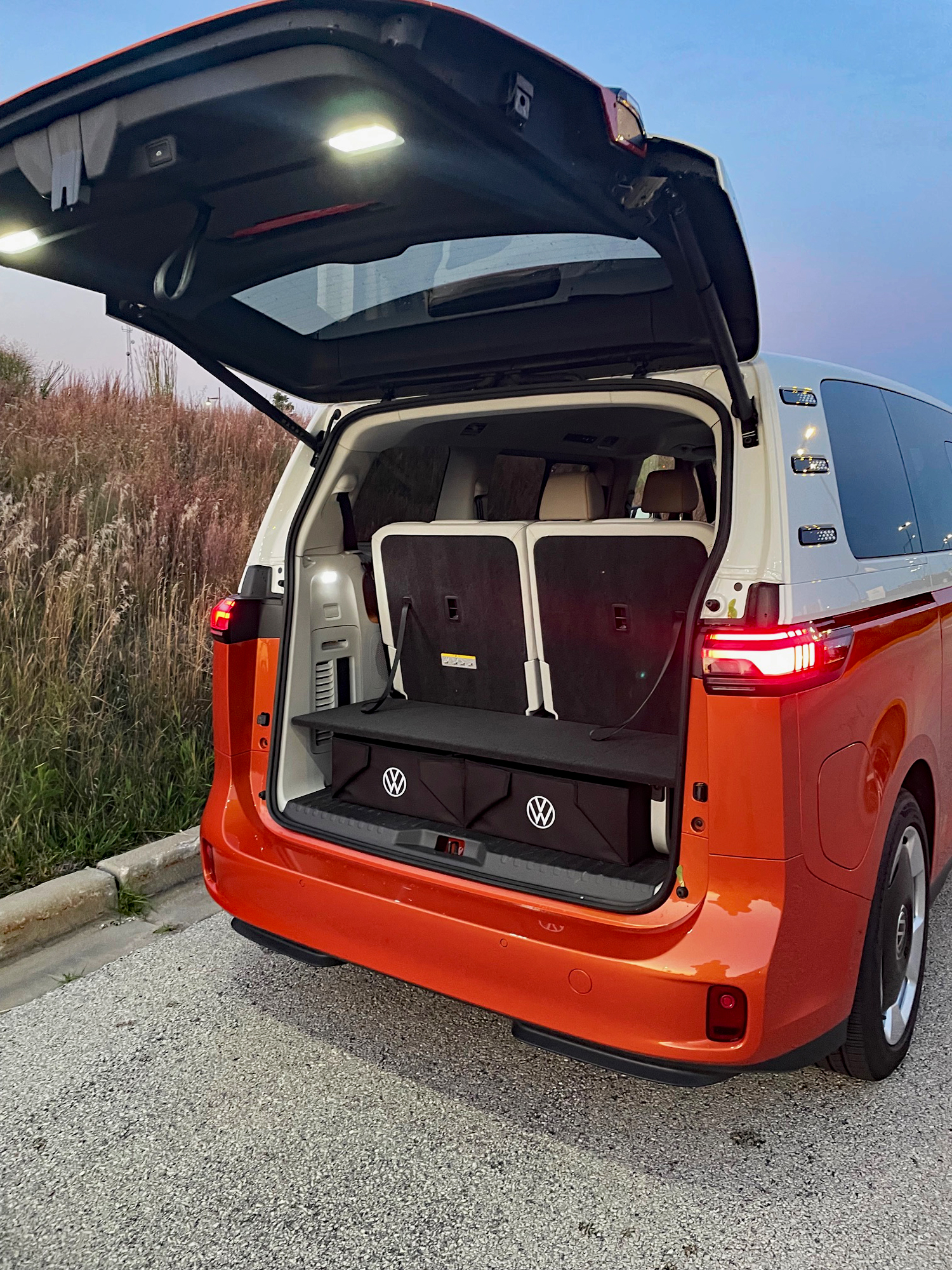
Consumer Guide recently spent a week behind the wheel of a 2025 Volkswagen ID. Buzz in Pro S Plus trim featuring the perky Energetic Orange and Candy White 2-tone paint scheme. All told, including destination charge, our test van came to $70,540.
As noted above, we’re keen to address what we believe are the barriers to market acceptance of VW’s plucky minivan, and share our thoughts on the matter. First, the electric thing…
It’s Electric
With U.S. EV market share running about eight percent of total new-vehicle sales, any electric car or crossover is hampered by its appeal being limited to just a fraction of the American car-shopping public.
That said, VW clearly believed that the ID. Buzz’s fun design, spunky attitude, and, ultimately, real practicality, would help clear that marketplace hurdle. And, to some extent, being the only electric product in the minivan segment could be seen as a sales asset.
And while minivan customers may generally be a pragmatic—and cost-conscious—bunch of car shoppers, and unlikely to experiment with plug-in power, there is much about the ID. Buzz being electric that makes it an excellent minivan.
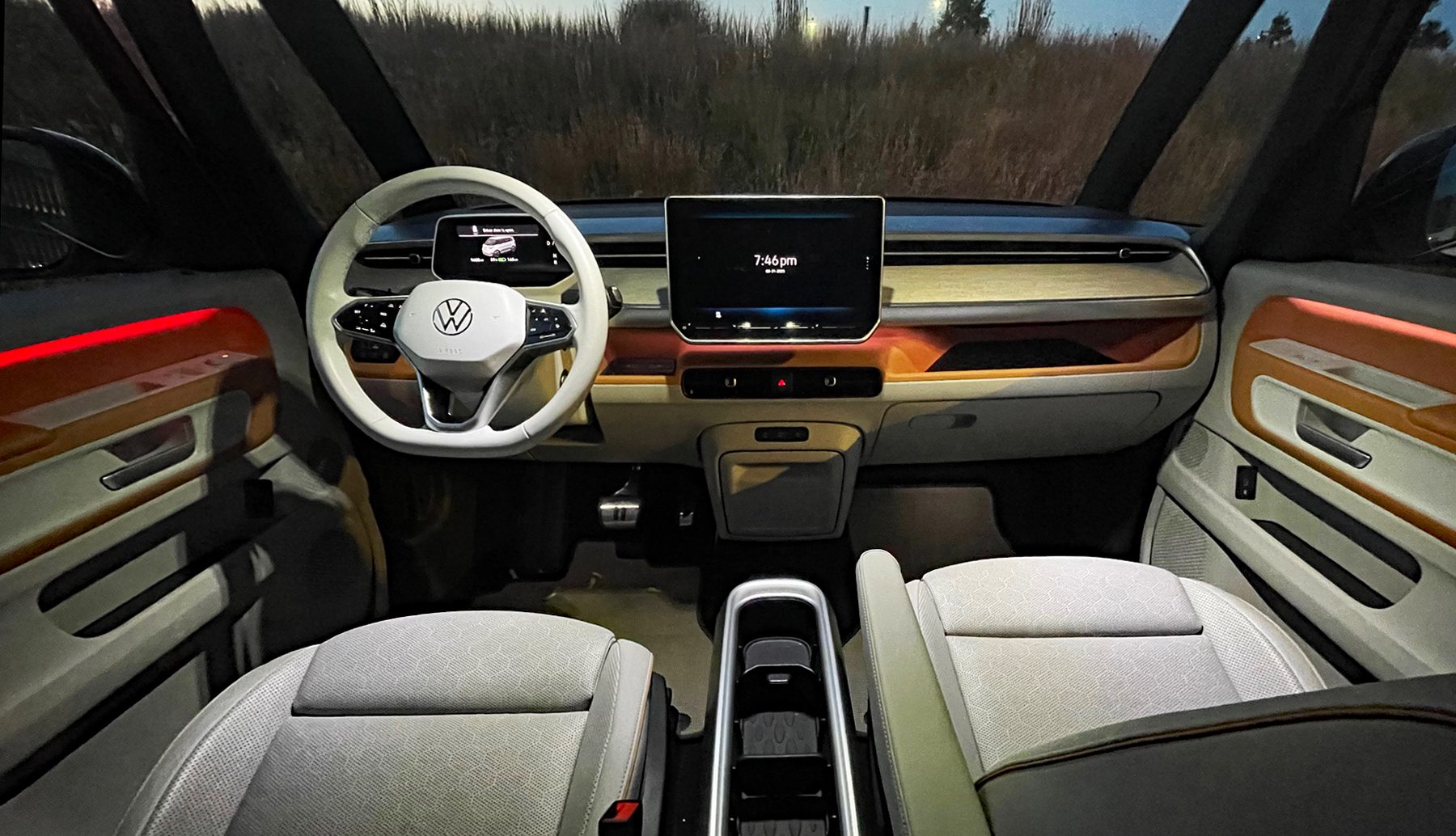
Simply, the ID. Buzz is the quickest, quietest, most rewarding to drive van minivan. In addition to its EV attributes, the Buzz is also quick handling, smooth riding, and features a fresh take on automotive interior design. The ID Buzz is the kind of vehicle that sells itself on the test drive.
It’s Expensive
Yes it is. While the surprisingly pleasant and capable 2025 Kia Carnival boasts a starting price just over $38,000, the ID Buzz kicks in at a sobering $61,545. Clearly, Volkswagen believes that the Buzz’s joyful demeanor and funky styling command a price premium, but we doubt most minivan shoppers are prepared to extend the amount of their monthly payments by 50 percent or more for the sake of a little extra fun.
Indeed, the appeal of the ID. Buzz is likely to sporty- and luxury-car shoppers looking for new high-profile ride. To such shoppers, the Buzz’s real utility may prove to be an asset, unless said folks regard practicality as demerit.
It’s shy on cargo space
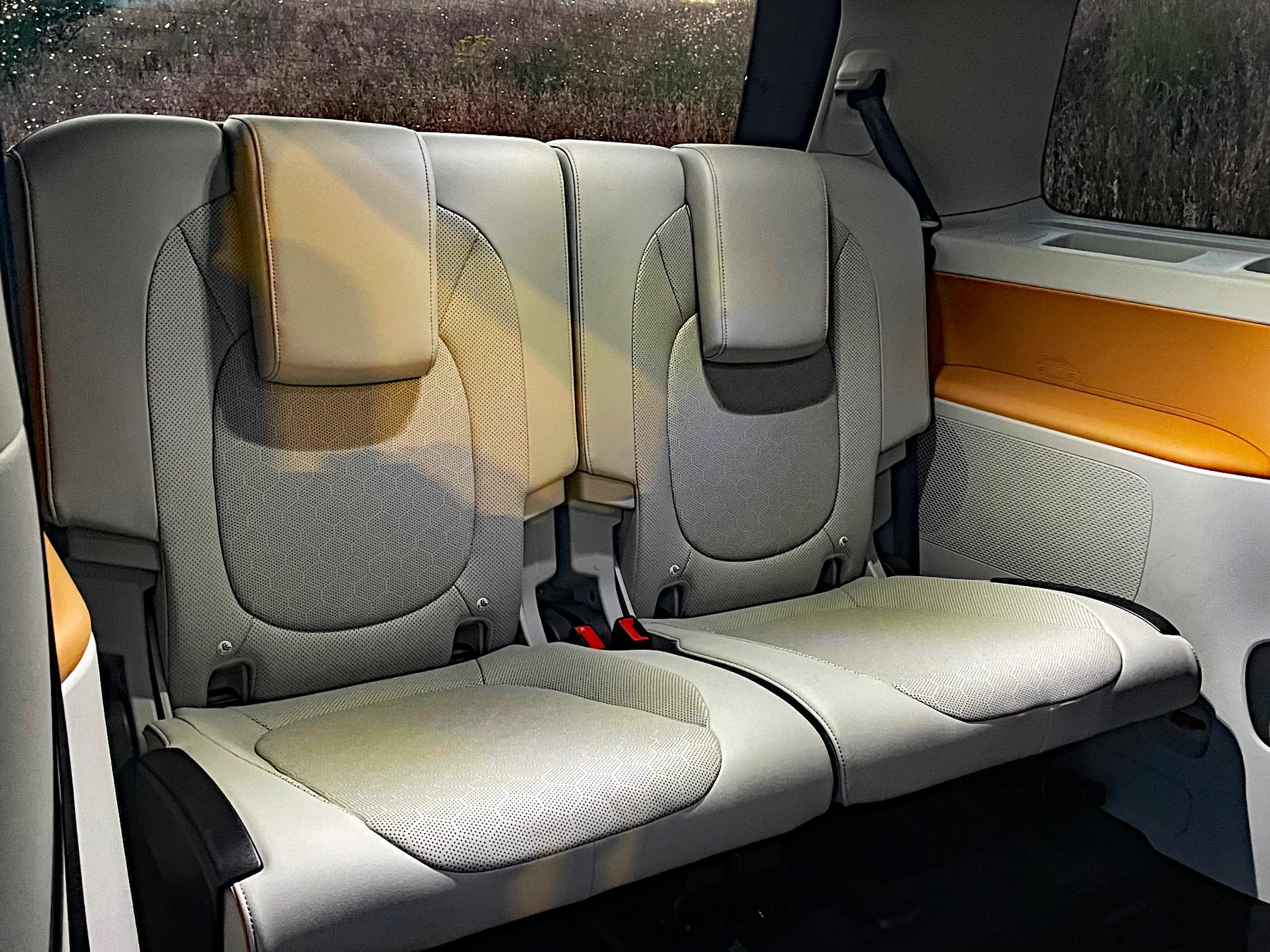
The ID Buzz boasts all sorts of passenger room, and will make six adult passengers very happy, even on long trips. However, VW’s electric van is short of space aft of the 3rd row. What the van cannot do, is transport six people on a long trip, and all of their luggage. For 5- and 6-person families with road-trip vacation aspirations, this lack of cargo-area space is likely a deal breaker. And that’s a shame, because the van is so much fun to travel in. For interior dimensions compared to other minivans, click here.
Its battery range is disappointing
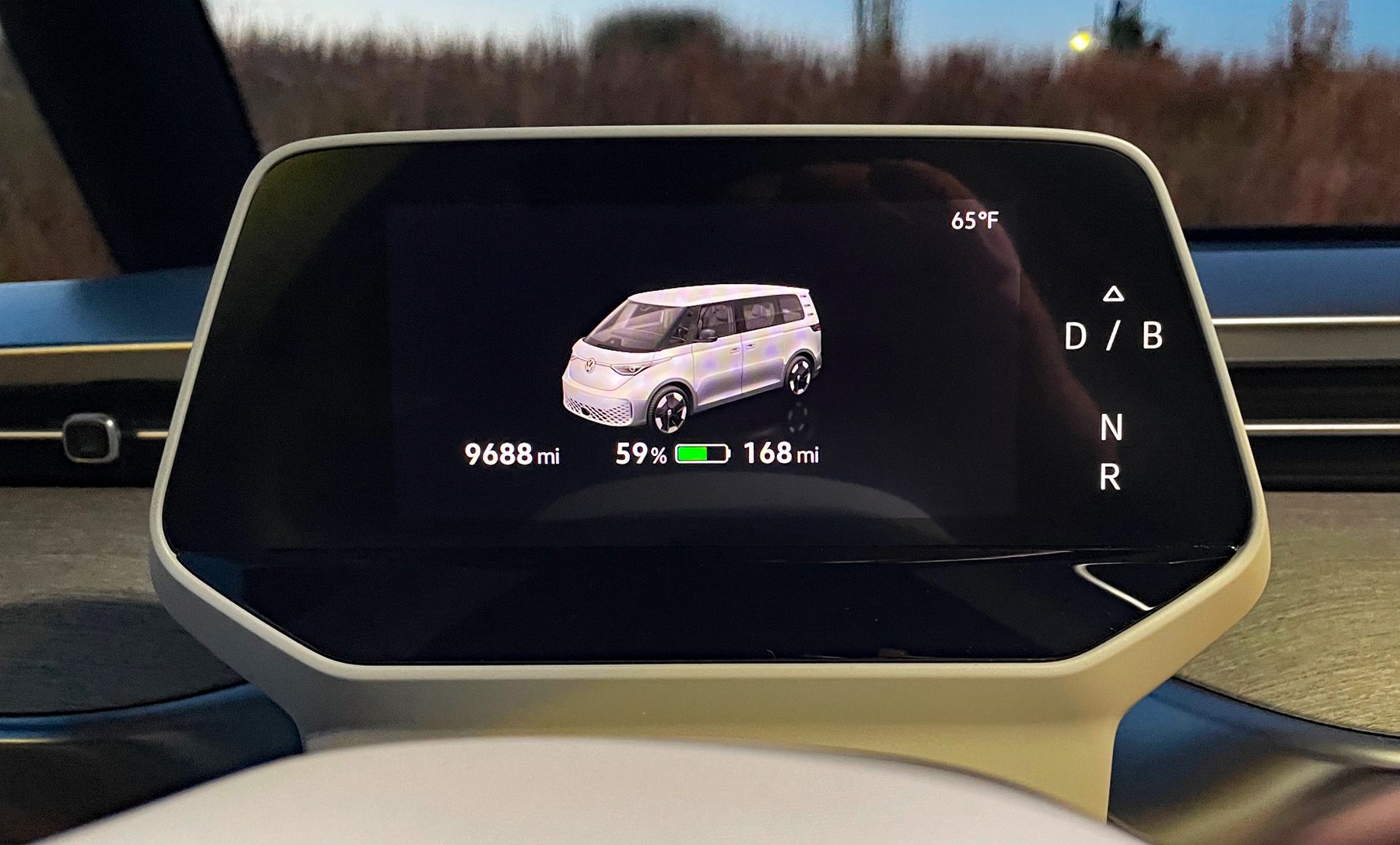
Frankly, we had hoped for greater range from the ID Buzz’s relatively large battery. And, during a period of delightful Chicago-summer weather we enjoyed much better-than-advertised range. But ultimately, vacationers and weekend-getaway types will find the German EV’s range an inconvenience.
Now, placed into mostly local “soccer-mom” service, the ID. Buzz will shine, serving up all the utility a busy family might need, plus low-cost and convenient home charging. That said, we think the Buzz would sell appreciably better were the range estimate closer to 300 miles, even at current prices.

Value
While the ID Buzz’s value to traditional minivan customers is blunted by its high price and limited range, the van is otherwise an absolute delight to drive and be seen in. We appreciate the bright, airy, and comfortable cabin, as well as the quick acceleration and sporty handling.
Were it not for the price and range, we would name the ID. Buzz to our annual Best Buy list. Frankly, we envy anyone who can make this rolling joy machine a part of their daily lives. It’s a great van, and it makes onlookers smile. That’s something few crossovers can do.
Listen to the Car Stuff Podcast
2025 Volkswagen ID. Buzz Pictures
Click below for enlarged images