
It’s not common for a civilian vehicle to be modified for military use. Generally, the military’s needs exceed that specifications of mainstream cars and trucks, and the modifications necessary to bring a vehicle up to spec are so extensive as to make the conversion cost prohibitive.
What Was the Chevrolet Blazer M1009?
Military Grade
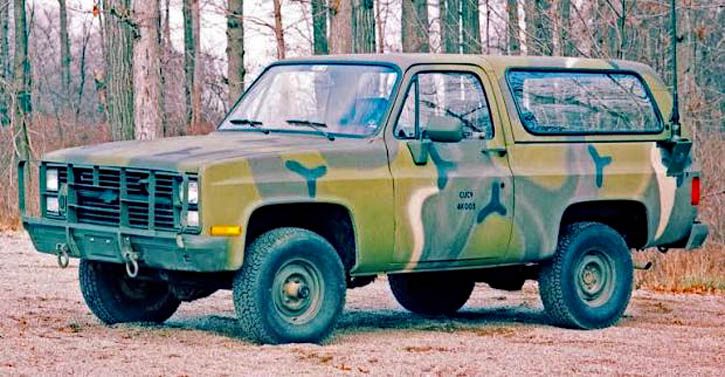
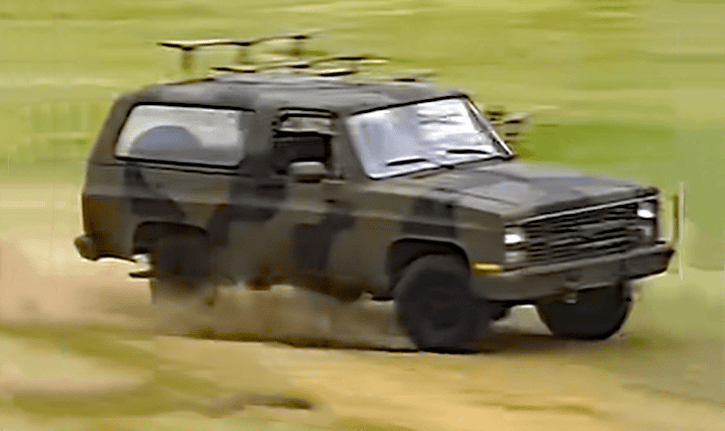
But in the case of the Blazer M1009 CUCV, the upgrades were relatively easy for the folks at Chevy to implement. The Blazer M1009 was a military version of the Chevrolet K5 Blazer produced for the U.S. armed forces as part of the Commercial Utility Cargo Vehicle (CUCV) program.
Production
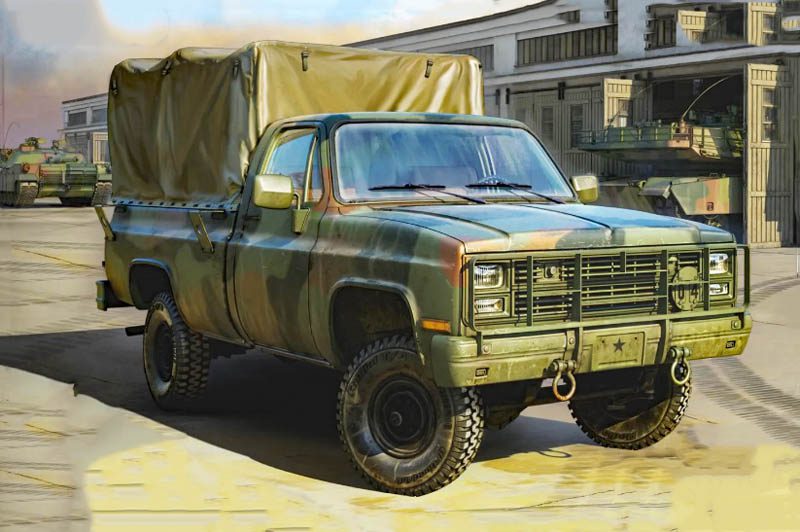
Produced between 1983 and 1987—and inclusive of model years 1984 and 1987—General Motors cranked out roughly 70,000 Blazer M1009s, as well as the mechanically similar K-Series M1008 full-size pickup truck.
Mission
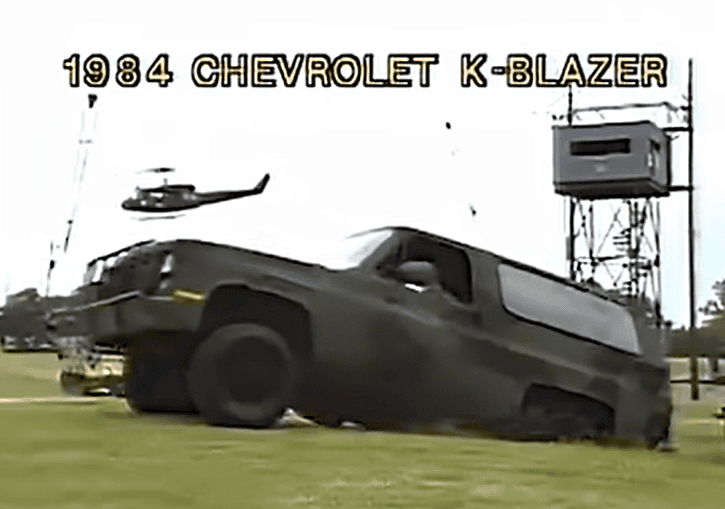
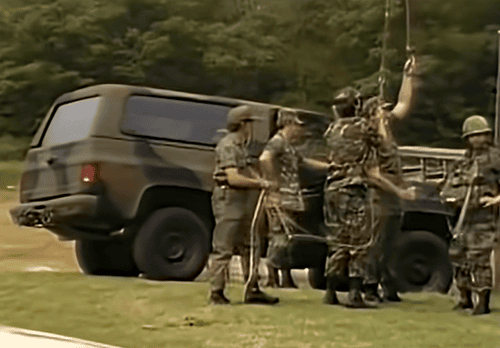
The Blazer M1008 was a non-armored, behind-the-lines, support vehicle used for command and control operations, personnel transport, communications, and general utility. It filled the gap between lighter Jeep-style vehicles and the then-emerging Humvee. It saw service into the Nineties, including playing supporting roles in Operations Desert Shield and Desert Storm.
Based on the civilian Chevrolet K5 Blazer, the M1008 was uprated from “half-ton” spec, to “three-quarter ton,” which means the vehicle’s gross-vehicle weight rating was increased to accommodate additional payload.
Engines
Power came exclusively from a Detroit Diesel 6.2-liter naturally aspirated (no turbo) diesel V8 mated to a 3-speed automatic transmission. The diesel engine produced between 130 and 155 horsepower—depending on model year—and 240 pound feet of torque.
The rear-drive Blazer was fitted with part-time 4WD via a New Process NP208 2-speed transfer case. Front-and-rear 3.08-to-1 axles were also standard.
Heavy-Duty Hardware
Additionally interesting was the M1009 electrical system. In place of the Blazer’s civilian 12-volt setup, a 24-volt military arrangment (dual 12-volt batteries and alternators wired in series) was fitted. The 24-volt system was employed primarily for compatibility with other U.S. military vehicles—which featured 24-volt systems–allowing for such mundane tasks as jump starting the dead batteries of other military fleet cars and trucks.
Other Blazer M1009 upgrades included:
- Heavy-duty springs
- Heavy-duty brakes
- A larger 27-gallon fuel tank
- Additional tow hooks
- Camouflage paint
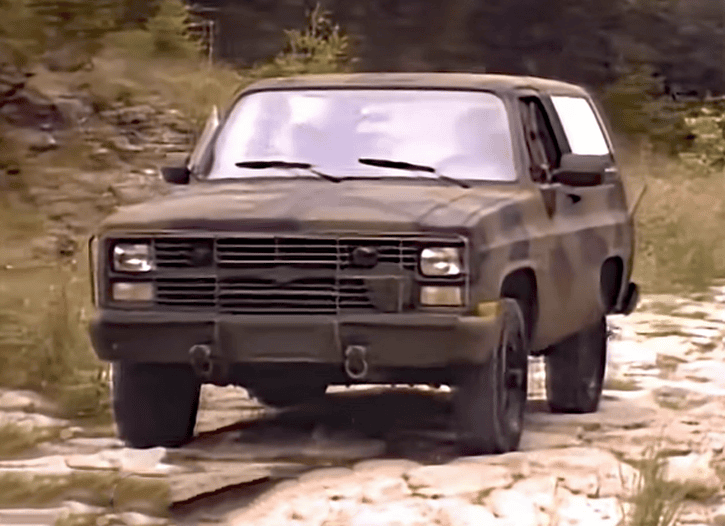
The M1009 was not fitted with air conditioning.
Payload
The military Blazer boasted a 1200-pound payload and a 3000-pound towing capacity.
Ambulance
In addition to the Blazer and pickup, a pickup-based chassis cab (M1028) was built in limited numbers for conversion to ambulances.
Value
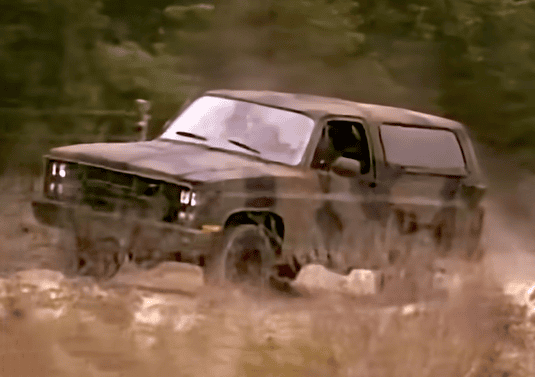
The Blazer M1009 is very popular with collectors today, and are generally found modified for extreme off-road duty. The M1009’s diesel engine is generally regarded as reliable, and examples of the truck in good working condition generally trade for between $10,000 and $20,000. With 70,000 having been built, the pool of used trucks is pretty large.
Listen to the Car Stuff Podcast
Chevrolet Blazer M1009 Pictures
(Click below for enlarged images)