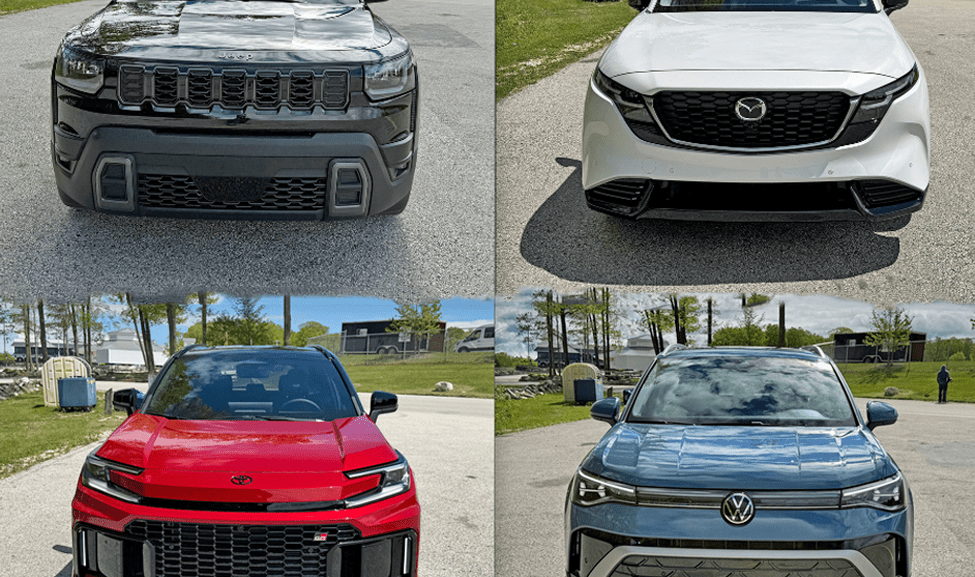

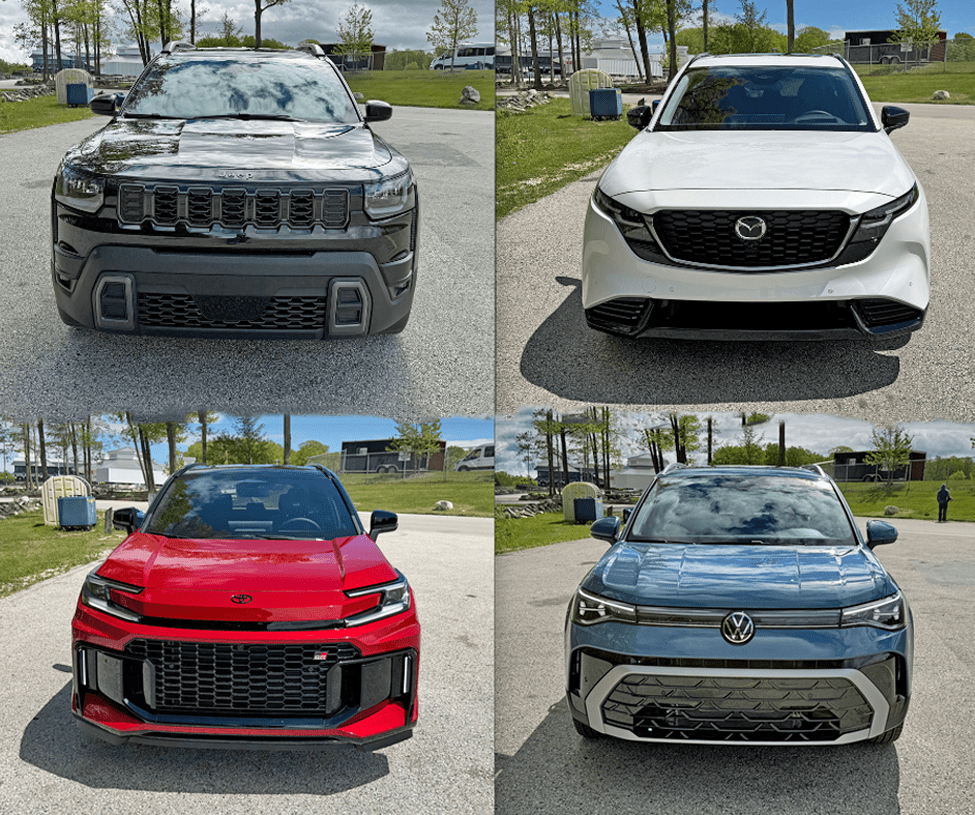
The 2026 Jeep Cherokee may be one of the newest faces in the compact‑SUV crowd, but after a day of back‑to‑back comparison at the 2026 Midwest Automotive Media Association Spring Rally in Elkhart Lake, Wisconsin, what stood out most wasn’t any single breakthrough feature. It was how similar the segment has become. Driven alongside the Cherokee, the latest Mazda CX‑5, Toyota RAV4, and Volkswagen Tiguan delivered competent, predictable performances. That’s not necessarily a knock; it simply reflects a class where incremental refinement defines the overall experience despite significant year-over-year changes to styling, engineering, and features. Still, some differences did emerge, and those nuances may matter more than ever for shoppers trying to separate one solid choice from another. Note that all listed MSRPs reflect manufacturer destination fees.
2026 Compact SUV Roundup
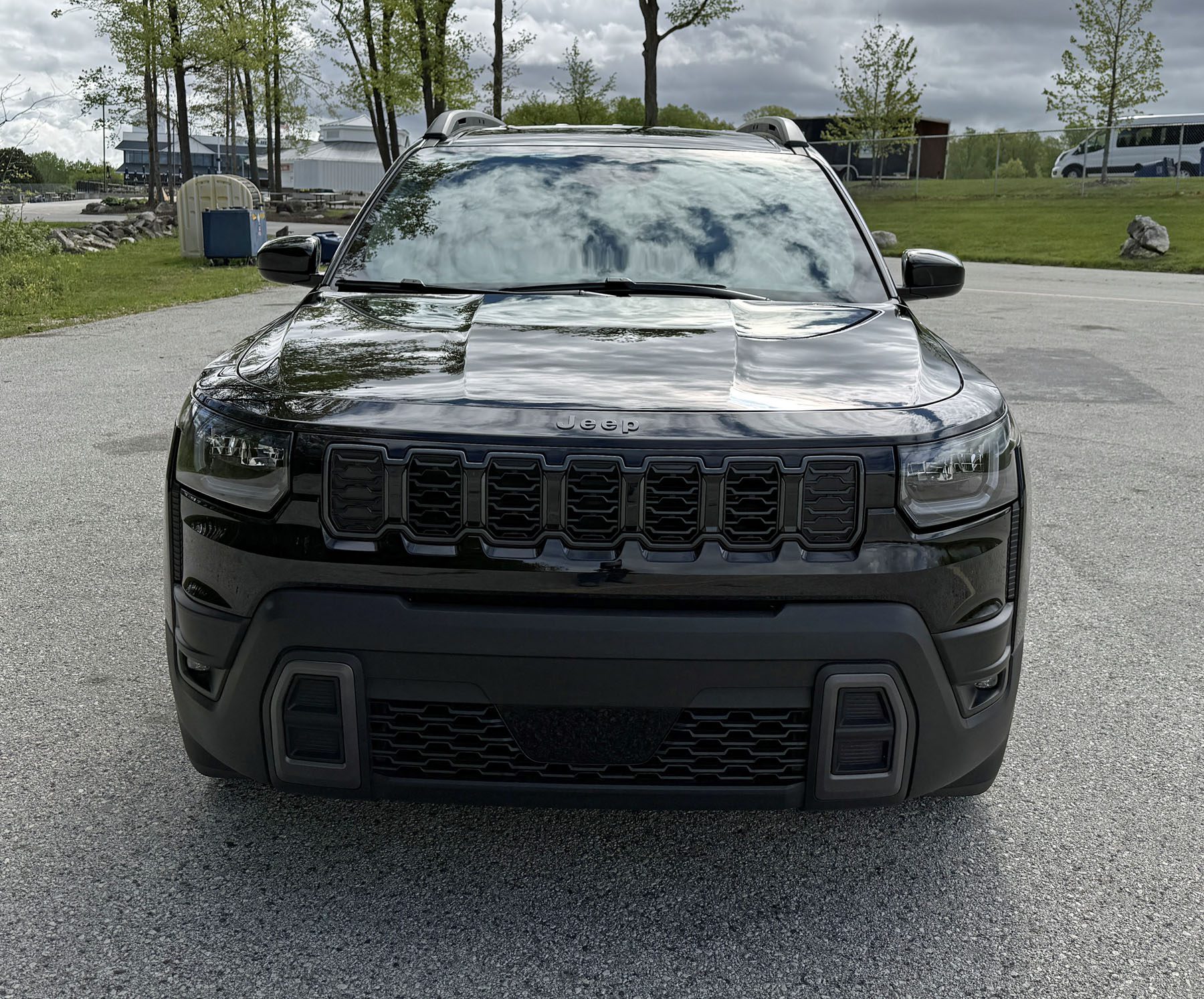
2026 Jeep Cherokee Laredo
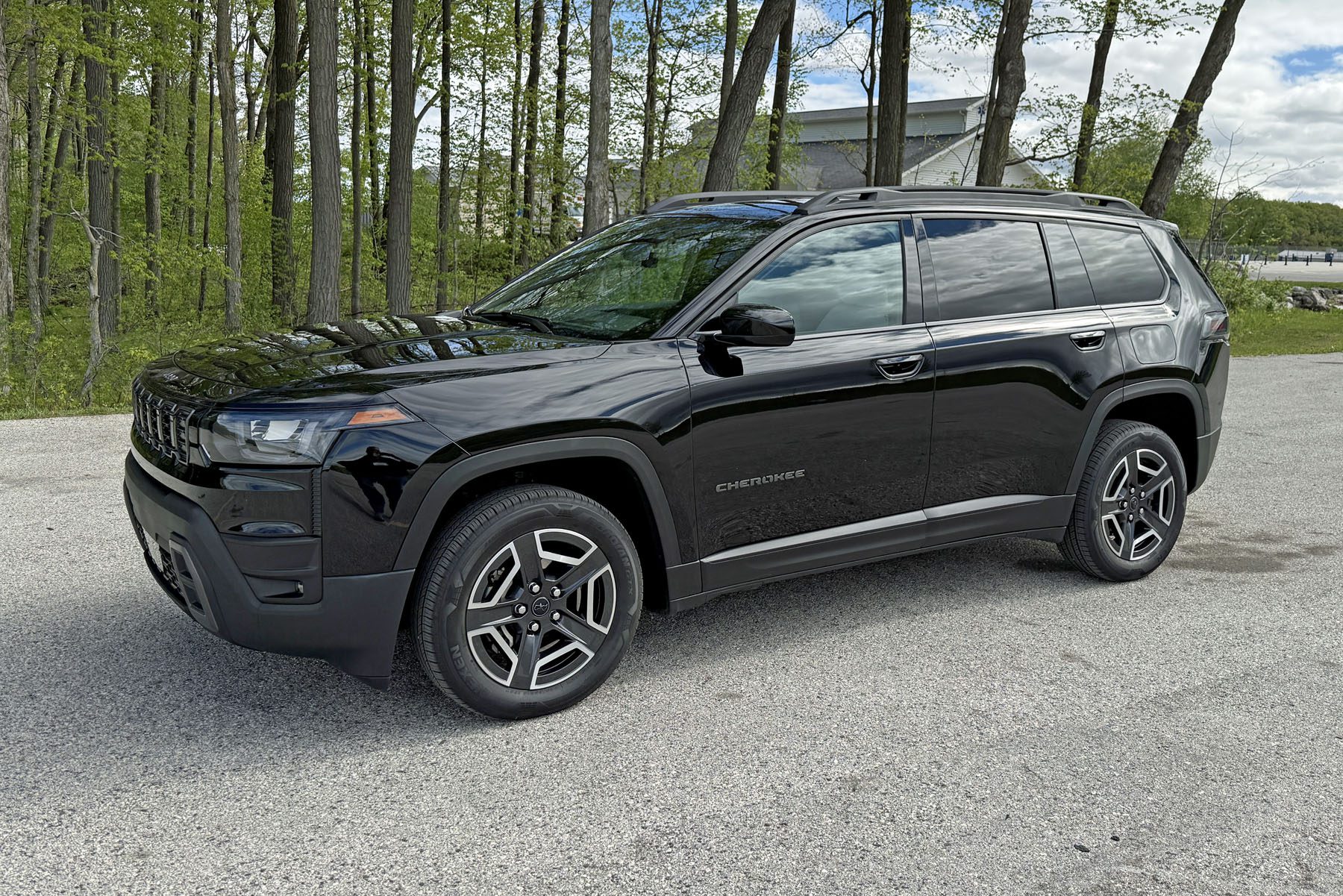
Pros: Smooth, quiet ride; well-integrated infotainment
Cons: Pricey in Laredo guise; mediocre rear-seat comfort; some hybrid drivetrain idiosyncrasies
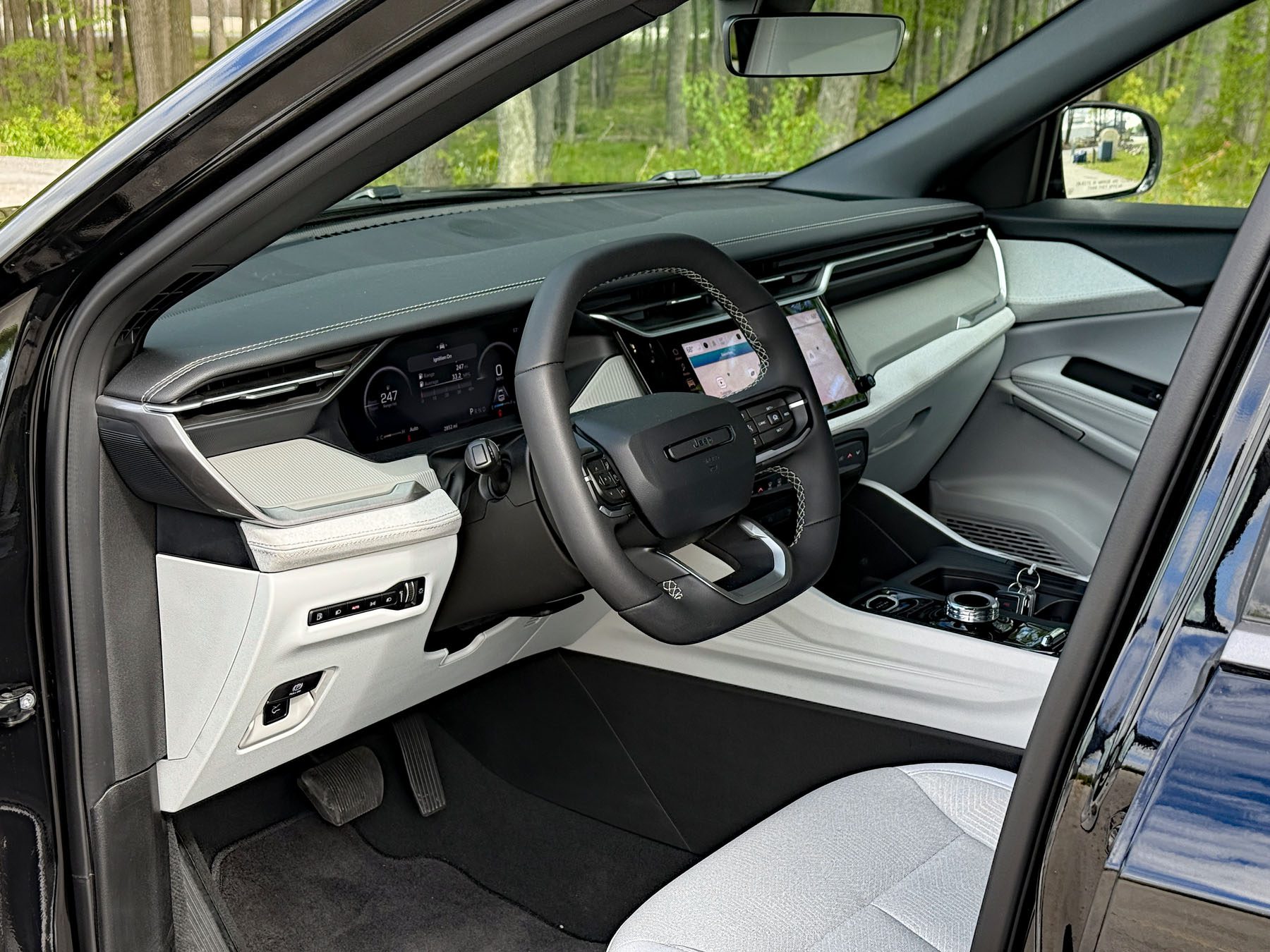
After a three-year hiatus, the Cherokee returns to Jeep’s product portfolio with a squarer stance and a noticeably larger footprint. It trades the old model’s rounded edges for something more upright and purposeful. It’s longer overall and in wheelbase while also being wider and heavier. The added size pays off inside with a roomier cabin (albeit with a slightly uncomfortable rear-seat cushion) and far more usable cargo space. The redesigned dash, anchored by a wide digital display with the latest version of Stellantis’ highly functional Uconnect infotainment suite, feels cleaner and more contemporary than before. Nothing here screams for attention, but the Cherokee’s quiet shift toward maturity suits it well.
All 2026 Cherokees have all-wheel drive, a 1.6-liter turbocharged 4-cylinder engine paired with a battery-powered electric motor, and a continuously variable automatic transmission. Total output is 210 horsepower and 230 pound-feet of torque. The drivetrain and ride are remarkably hushed, and while performance is notably smoother than gas/electric versions of the Dodge Hornet and Alfa Romeo Tonale, it’s still no Toyota in terms of overall refinement. Instruments and controls are generally well laid out, highlighted by the latest iteration of Stellantis’ responsive and logical Uconnect infotainment system.
Our test vehicle was the Laredo trim, which will likely be the nameplate’s top seller. For its $40,590 asking price, we would liked to have seen a bit more than cloth upholstery, fog lights, and remote engine start. For an extra $2,000, the uplevel Limited represents a stronger value by adding nicer-looking leatherette upholstery, a heated steering wheel, power front-passenger seat, wireless phone charger, and a power rear liftgate.
2026 Mazda CX-5 2.5 S Premium Plus
Pros: Spry handling; roomy interior; vastly improved infotainment
Cons: Turbocharged engine option is gone; bland cabin materials; low-for-the-class fuel-economy ratings
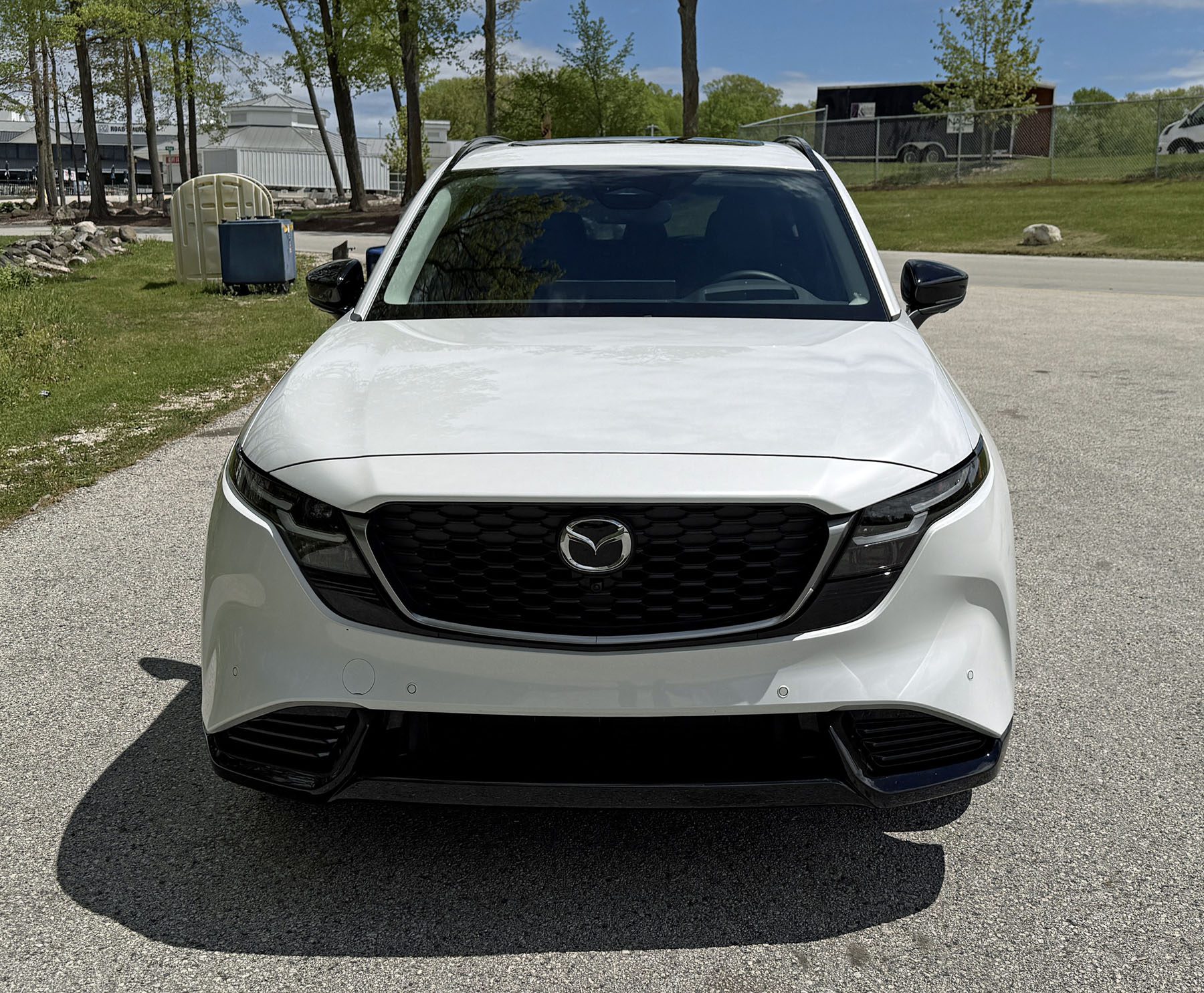
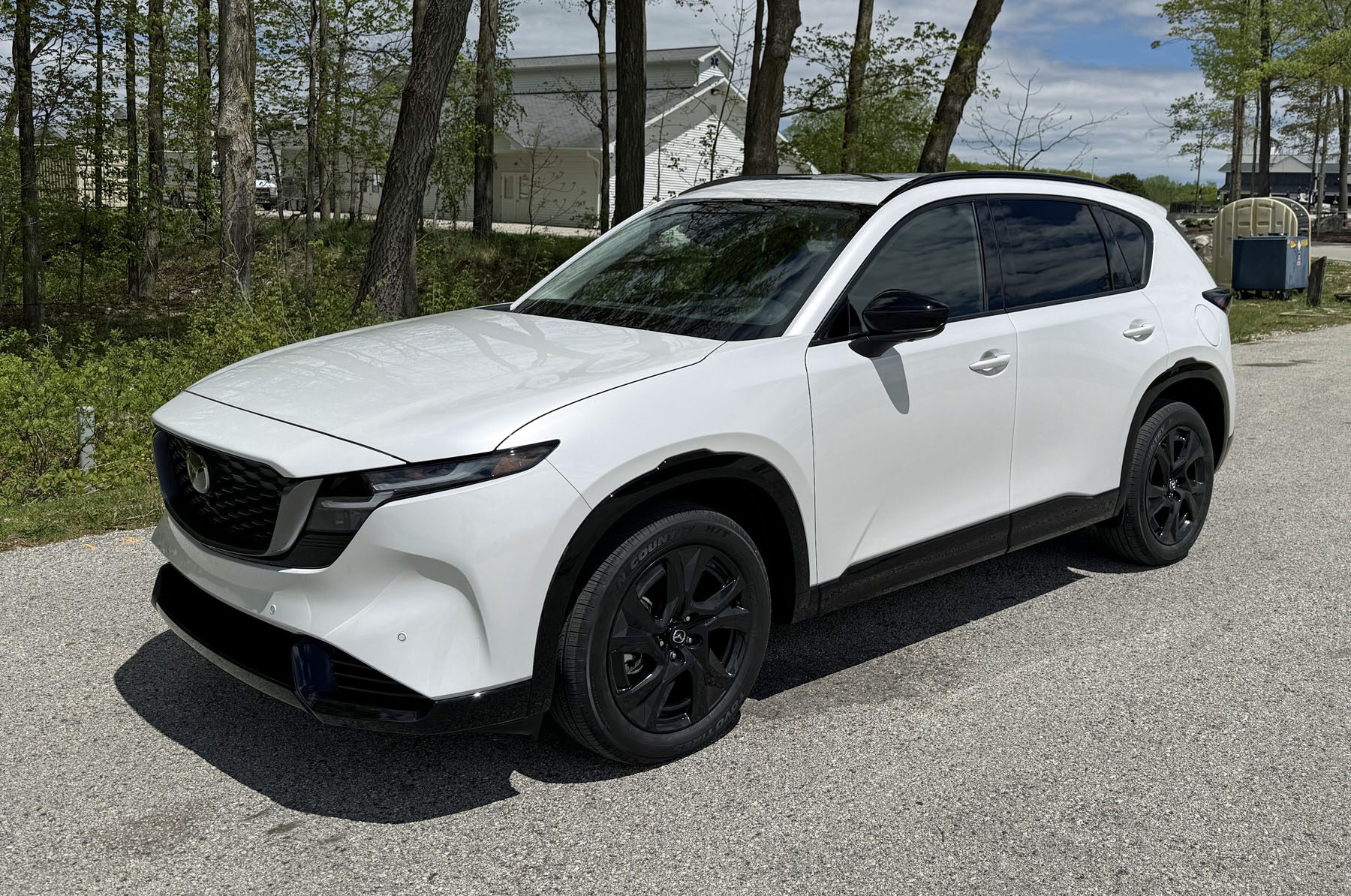
Mazda has also revamped its best-selling SUV, the CX-5, for 2026. At first glance, though, you’d be hard-pressed to notice the changes. While the styling updates are evolutionary, the biggest news is that the 2026 is noticeably longer than the outgoing model. This translates into significantly improved rear-seat and cargo space, which we very much appreciate.
Carrying over is the standard drivetrain, which is a 2.5-liter 4-cylinder engine with 187 horsepower and 186 pound-feet of torque, mated to a 6-speed automatic transmission and standard all-wheel drive. The punchy turbocharged engine option has been discontinued while a hybrid version is slated to arrive for the 2027 model year. What’s on offer now is more than enough for the larger 2026 CX-5 to get out of its own way, though estimated fuel-economy ratings of 24 mpg city/30 mpg highway are subpar for the class. Handling response remains a strong point with precise steering, excellent grip, and little body lean when cornering.
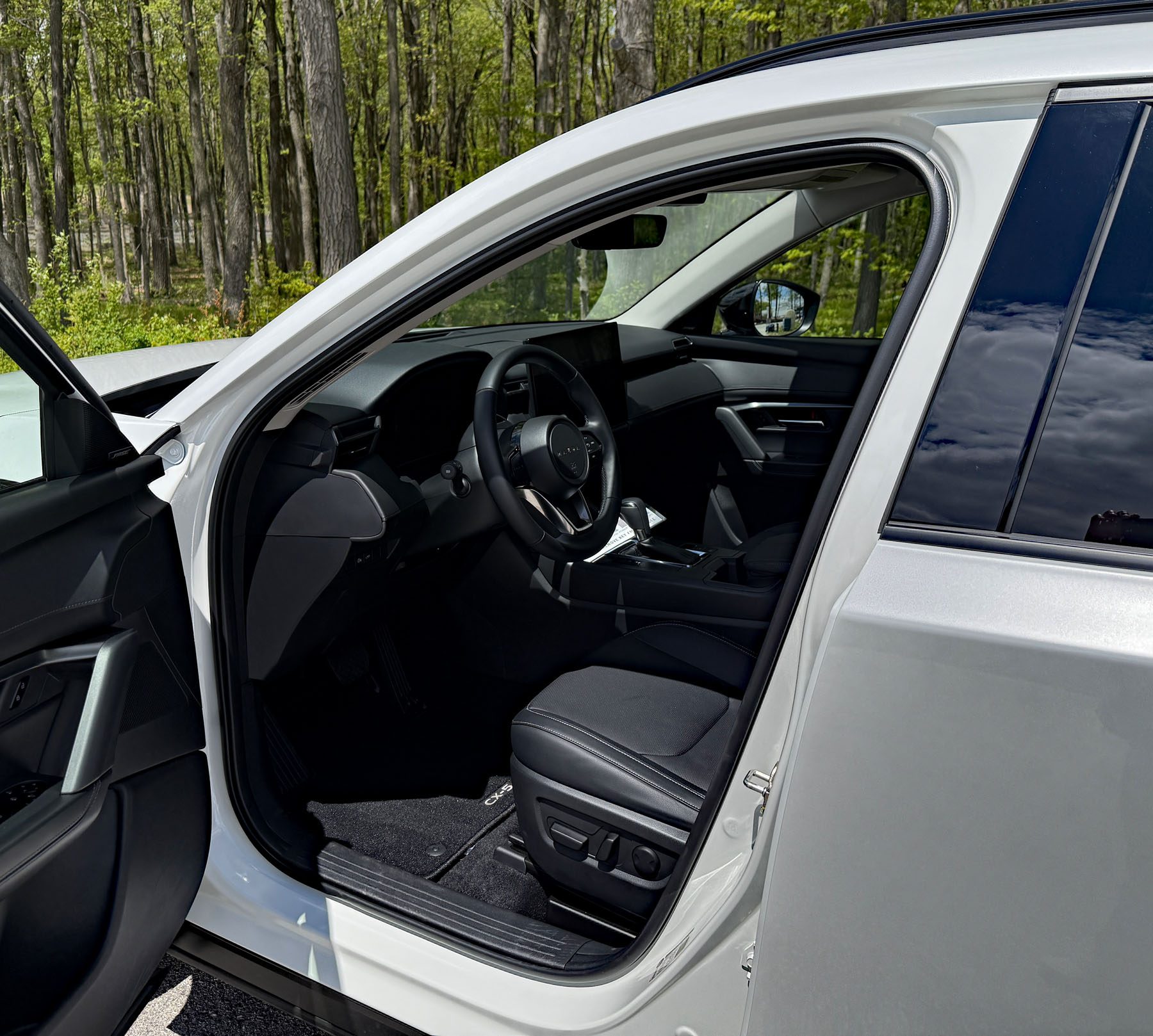
Our flagship S Premium Plus test sample stickered for $41,080, and for that you get niceties like leather upholstery and a massive 15.6-inch infotainment screen with faster and more intuitive operation than the system it replaces. The 2026 Mazda CX-5 improves where it counts without taking away any of the benefits that have made it a hit among compact SUV shoppers.
2026 Toyota RAV4
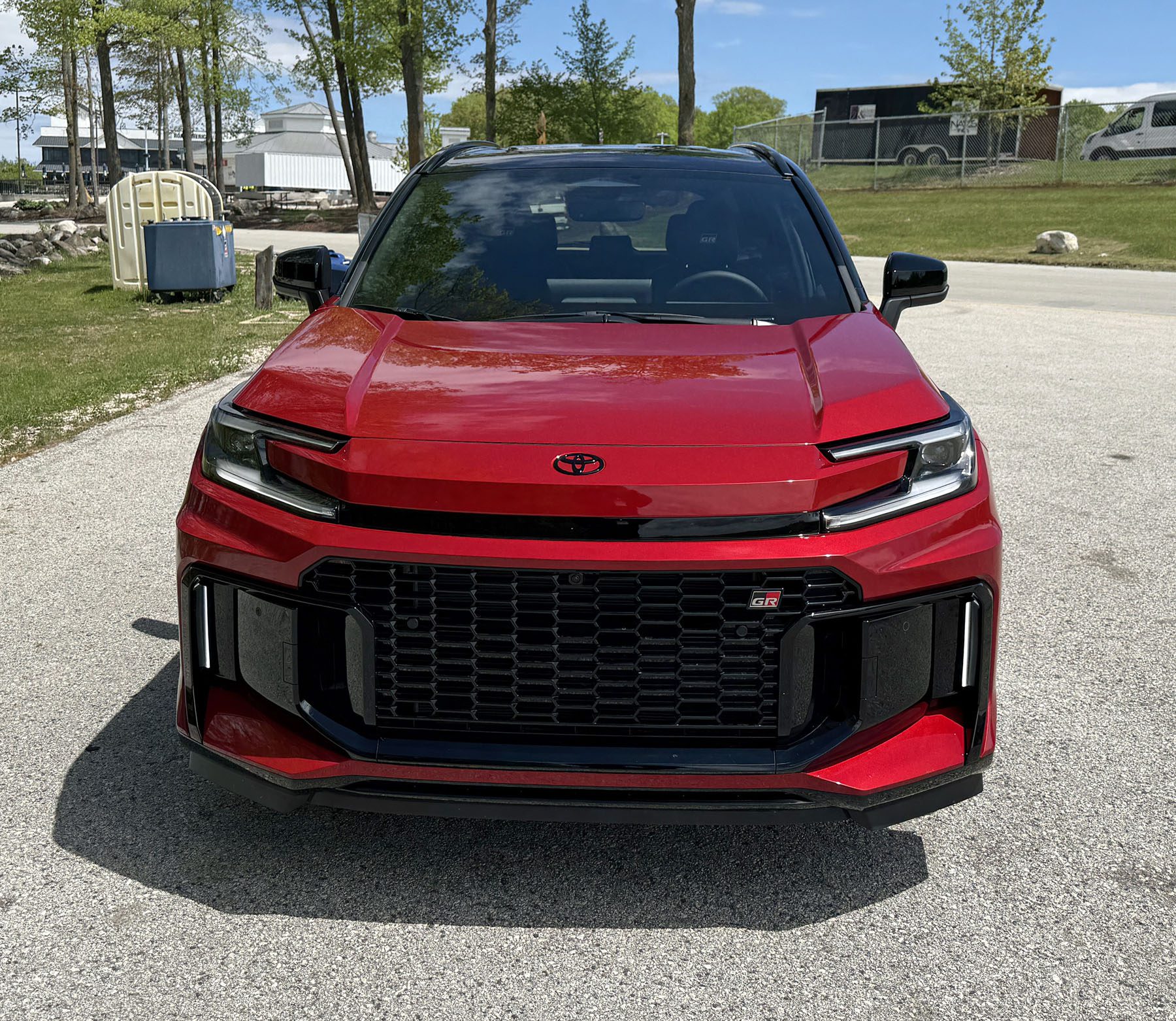
Pros: Slick hybrid and plug-in hybrid drivetrains; performance GR Sport model adds style and performance pizazz
Cons: Upper trims can get very pricey; cheap-feeling interior; uncharacteristic workmanship lapses
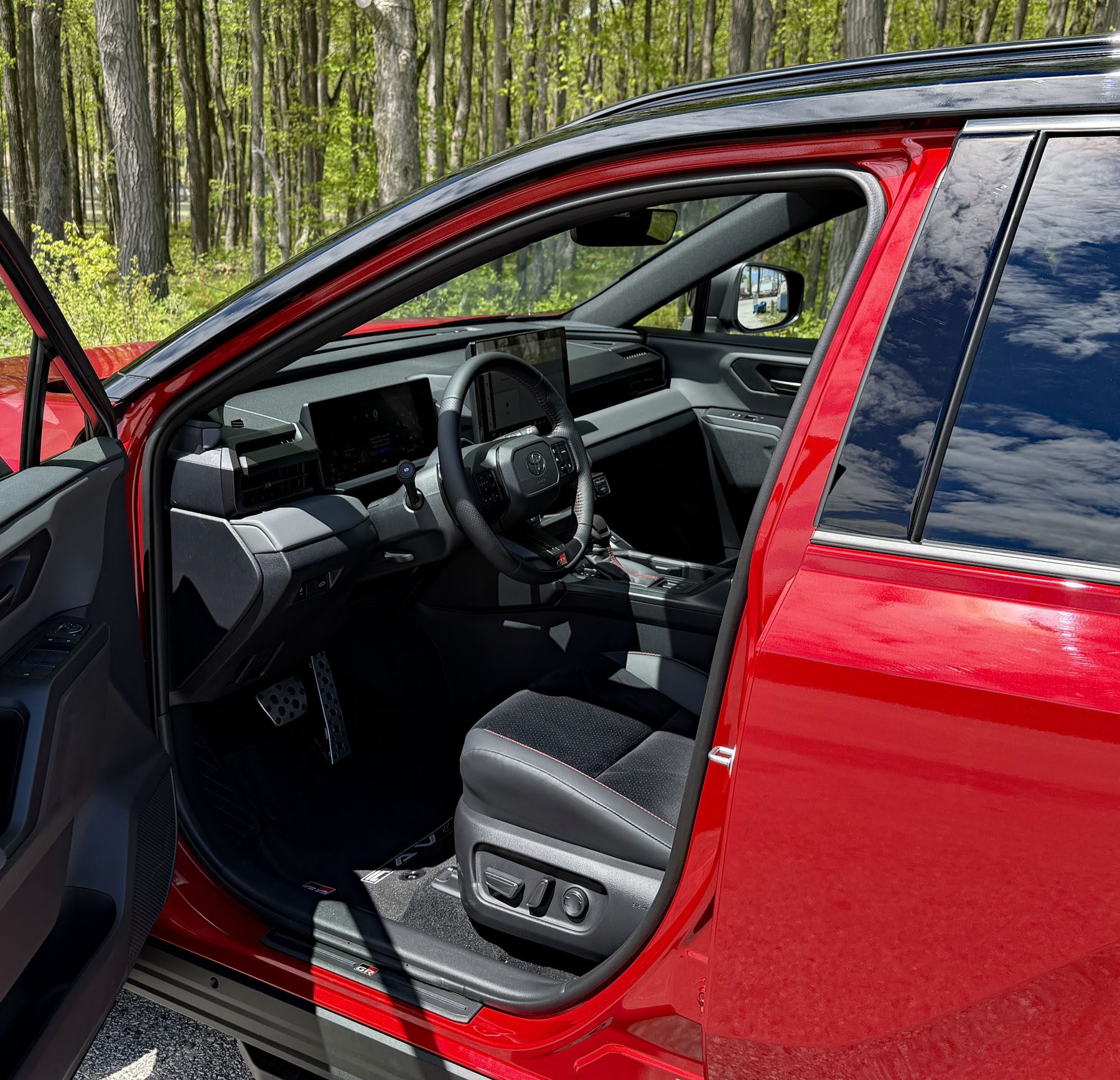
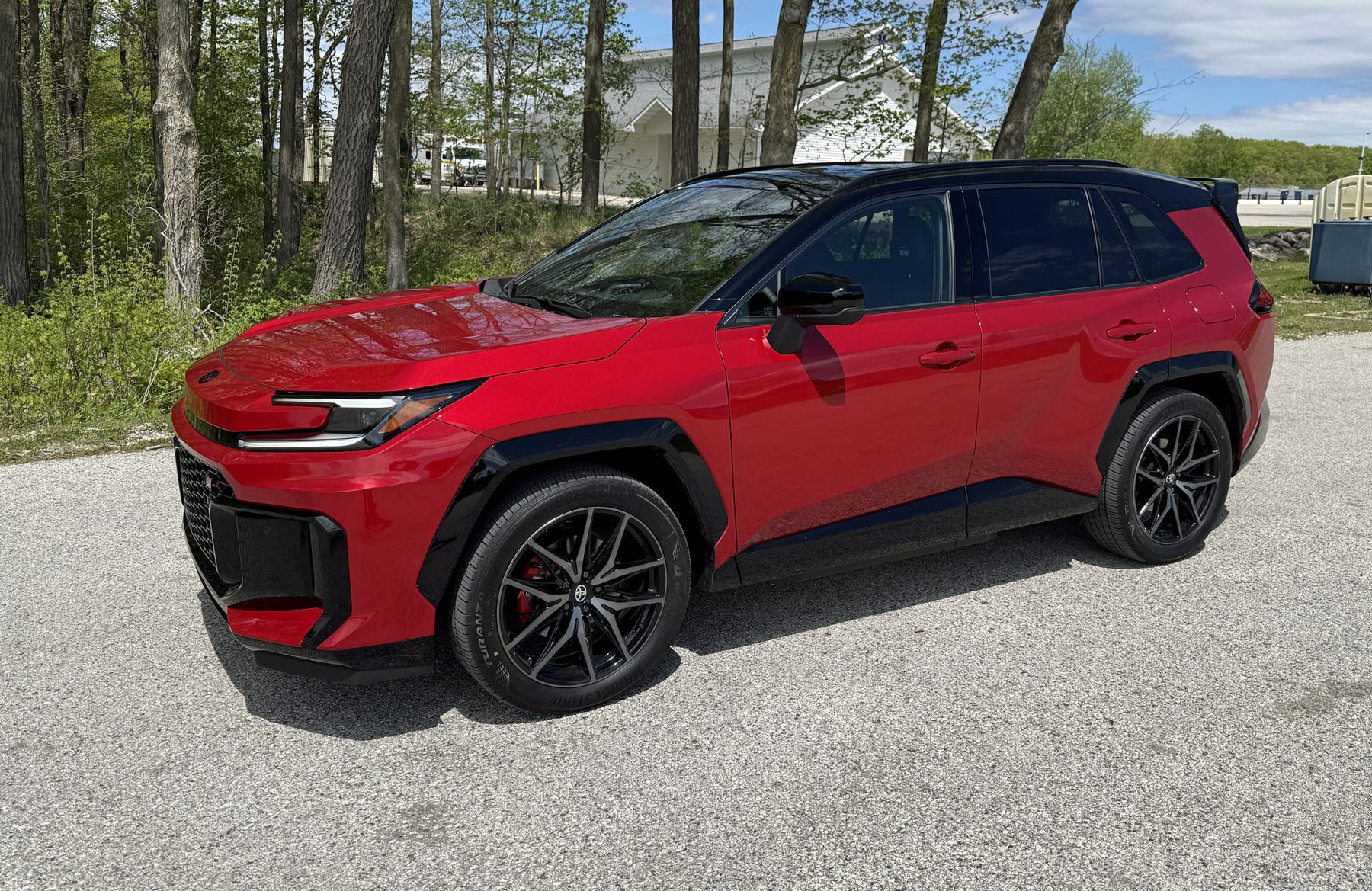
Continuing on our theme of redesigned compact SUVs, Toyota is looking to maintain its spot as the segment’s top seller with the redesigned sixth generation of its venerable RAV4. Instead of flowing lines like you’ll find on the CX-5, the 2026 RAV4 goes for a boxier, more upright stance. Most exterior and interior dimensions of the new model are within the margin of error from its predecessor.
The biggest news is that all sixth-generation RAV4s use hybrid or plug-in hybrid drivetrains. The 2.5-liter gasoline engine from the fifth-generation carries over, but the electric propulsion system has been updated to provide greater power, fuel efficiency, and in the case of the plug-in, more fully electric driving range. Standard hybrids have 226-236 combined horsepower depending on whether buyers choose front- or all-wheel drive. Plug-ins are AWD only and offer up to 324 combined horsepower. Trim selection also dictates whether your RAV4 will support a maximum of level-2 household or level-3 DC fast charging. Oddly, the costliest GR Sport grade caps out at the former. Further, none supports the Tesla Supercharger network, not even with an adapter that many other automakers are offering to their EV customers.
On the road, the 2026 RAV4 is hard to fault. The standard hybrid system in our AWD Limited and plug-in GR Sport test vehicles is about as seamless as you can get. Put the GR in its Sport driving mode, and you’re treated to lightning-quick acceleration on top of highly responsive handling. You do pay a premium for that performance: $51,015 for our fully kitted out example. The AWD Limited hybrid isn’t an exceptional value either with our sample checking in at $46,833. For these prices, we wish the interior materials looked and felt nicer. Plus, the GR Sport we drove suffered from a concerning, albeit occasional, rattle from the sunroof area. Despite these concerns, and the fact that the RAV4’s evolution is more about refinement than reinvention, we have zero doubt Toyota will sell every one it can build.
2026 Volkswagen Tiguan
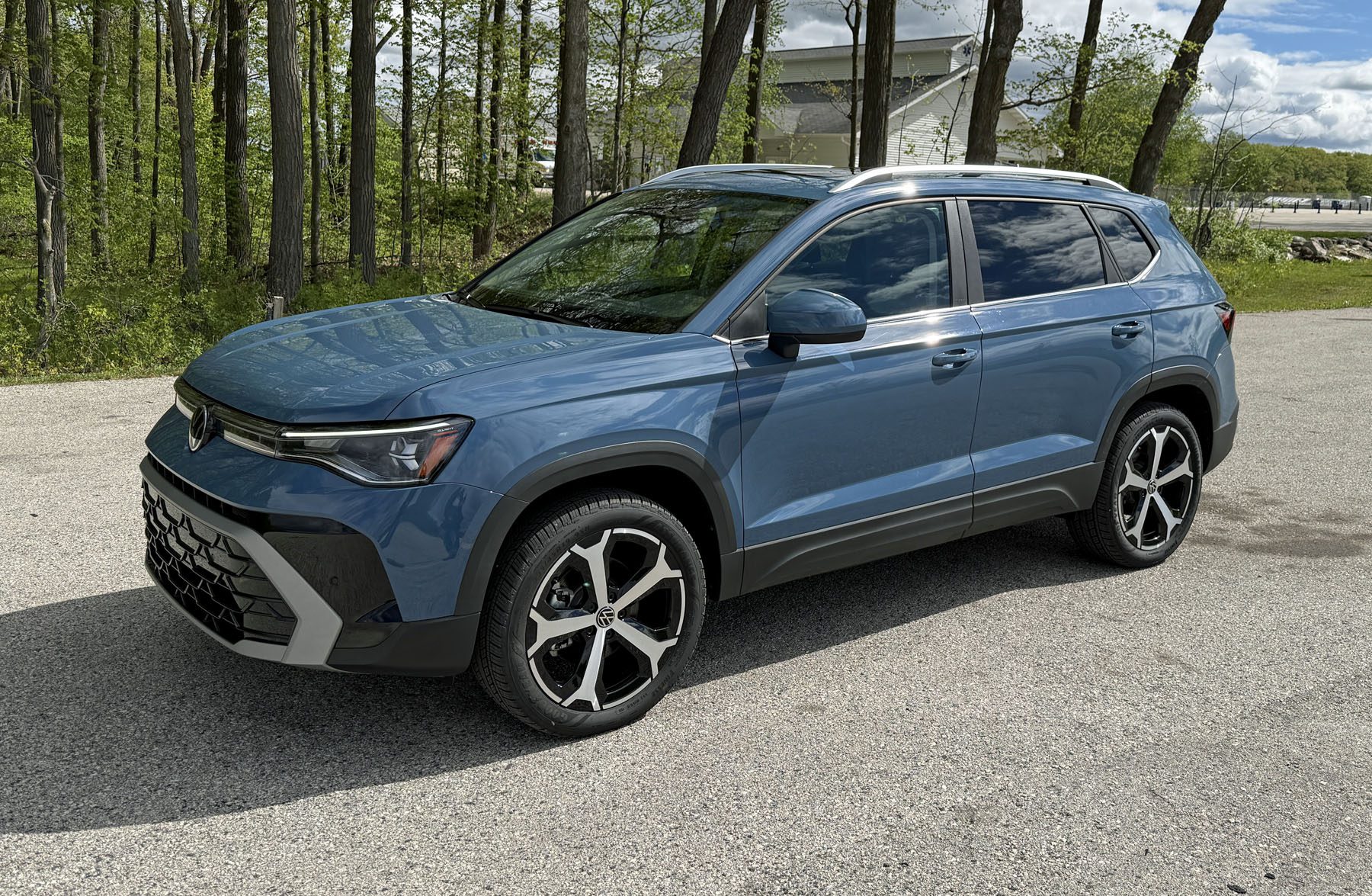
Pros: Supremely comfortable interior with massive rear-seat room; premium cabin appointments
Cons: Forgettable on-road dynamics; inelegant infotainment system
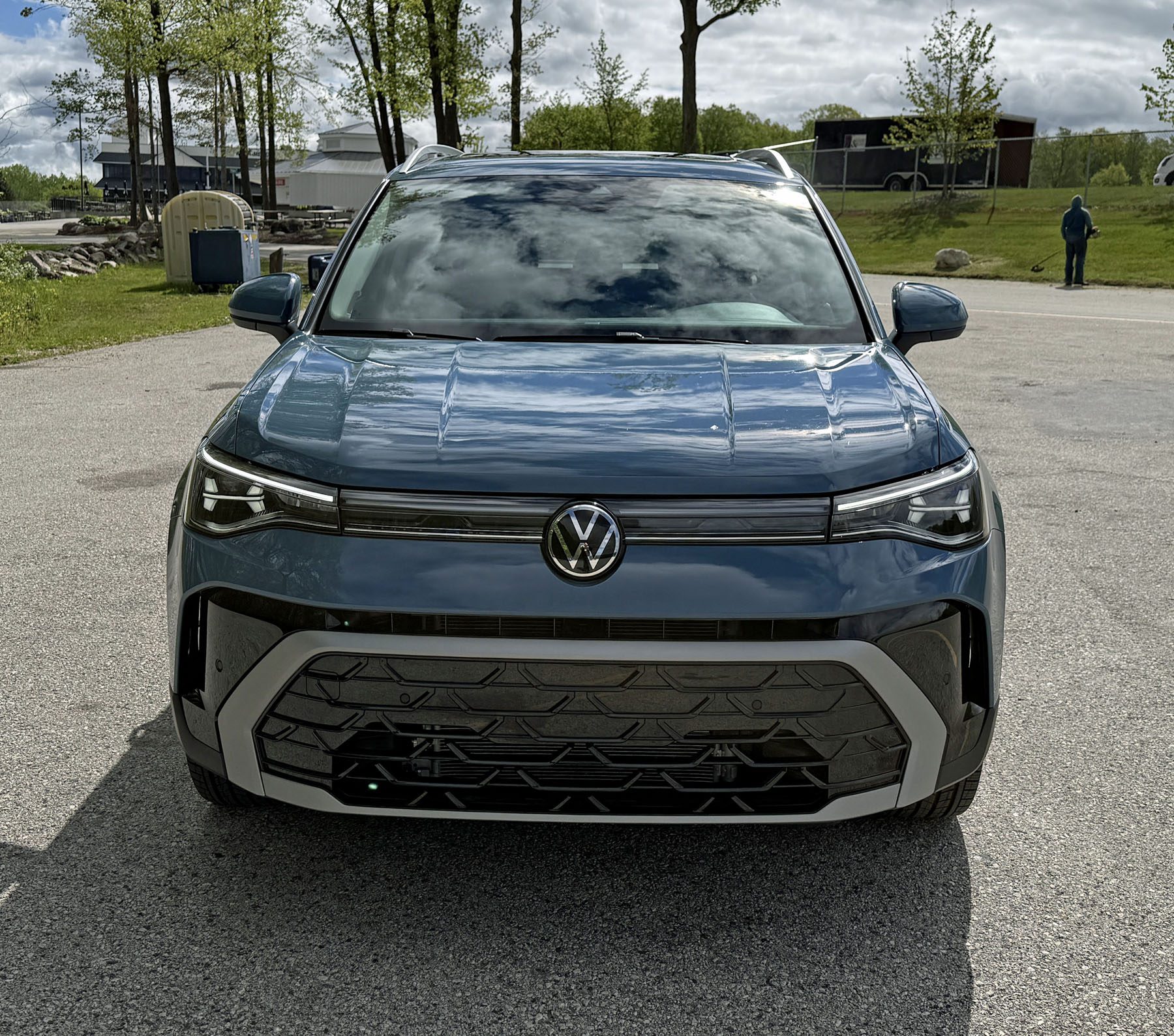
When Volkswagen debuted the Tiguan in North America for the 2009 model year, it was a breath of fresh air. Boasting upscale looks and a driving experience that made it feel like a GTI on stilts, it earned every bit of praise it received. Over the intervening years, this SUV has grown physically while losing some of the sharp road manners that earned it fans among the press and public. The German automaker looked to rectify this with the 3rd-generation Tiguan, which debuted in North America for 2025. With more standard horsepower and other refinements, this model looked to be back on track.
For 2026, a new flagship trim joins the roster. The SEL R-Line Turbo gets a revised version of other models’ 2.0-liter turbocharged 4-cylinder engine. Output of 268 horsepower and 258 pound-feet of torque represent increases of 67 and 37, respectively. Power gets to all four wheels via VW’s 4MOTION all-wheel drive and an 8-speed automatic transmission. The extra juice makes itself known with strong acceleration from a stop and at speed, though we observed a bit of turbo lag. Handling response in the SEL R-Line Turbo is balanced but not particularly sporty especially when compared to the CX-5 and RAV4 GR Sport.
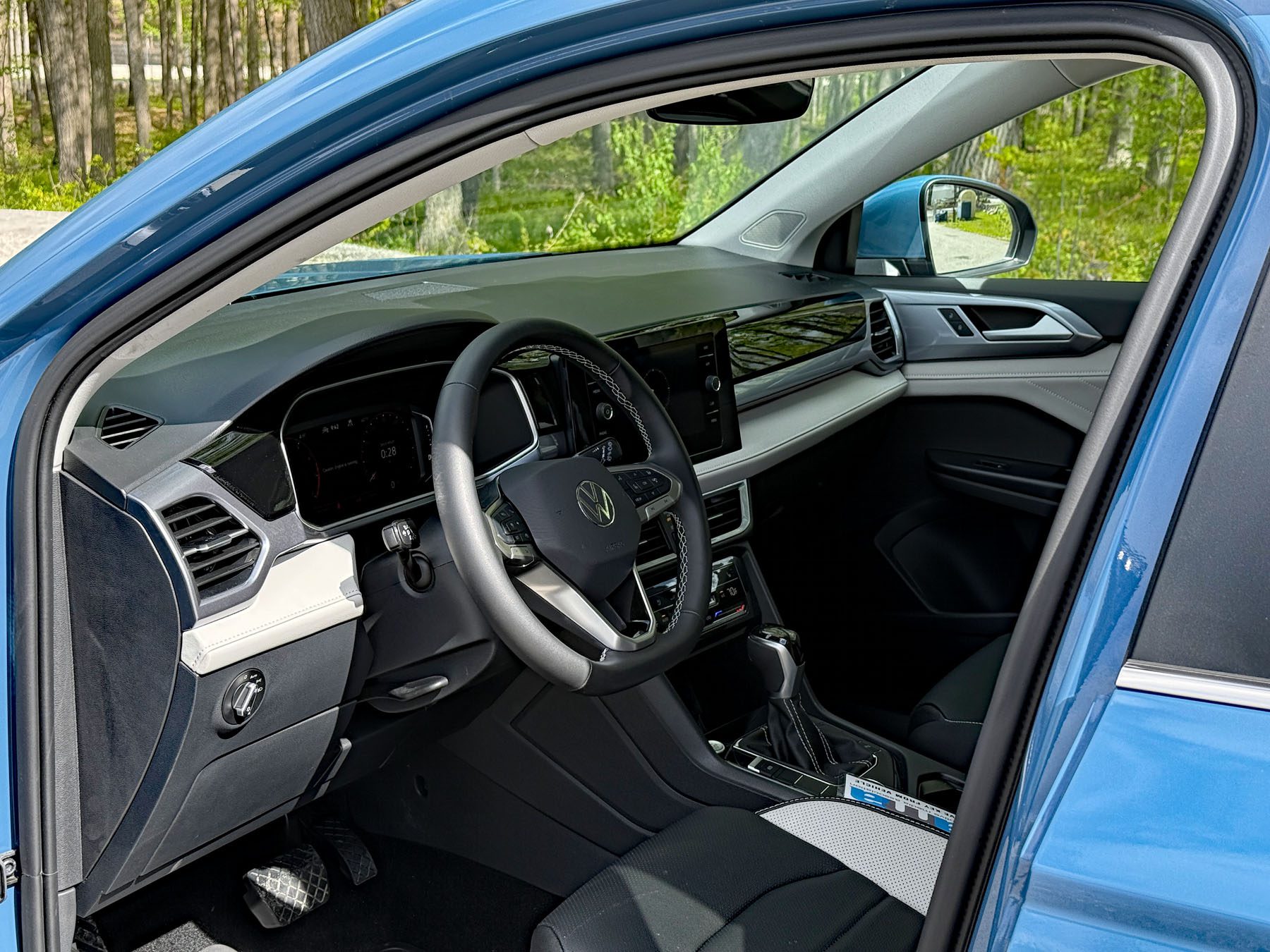
The interior is where Tiguan really shines…is what we would say if it weren’t for the infuriating infotainment system. Like its competitors, it tries to incorporate most audio, navigation, and climate controls into a massive center touchscreen. However, the unit in our test vehicle suffered from confusing operation and sluggish responses to user input. It’s a shame because otherwise the Tiguan’s cabin is superb, decked out in premium materials that put some far more expensive vehicles to shame and abetted by outstanding room and seat comfort. With an as-tested price of $44,915, we would favor the CX-5 if the driving experience is high on your priority list. Should VW address the infotainment system’s issues with a software update, we’ll be happy to revisit that criticism. For now, if you’re okay with less cargo space and power, the brand’s smaller, cheaper Taos SUV is a more compelling option.
Listen to the Car Stuff Podcast
2026 Compact SUV Pictures