
 Text by Tom Appel

2025 Toyota 4Runner Limited 4WD
Specs
Class: Midsize Crossover
Country of Manufacture: Japan
Miles driven: 207
| CG Report Card | |
|---|---|
| Room and Comfort | B |
| Power and Performance | B |
| Fit and Finish | B |
| Fuel Economy | B+ |
| Value | B |
| Report-card grades are derived from a consensus of test-driver evaluations. All grades are versus other vehicles in the same class. Value grade is for specific trim level evaluated, and may not reflect Consumer Guide's impressions of the entire model lineup. | |
| Big & Tall Comfort | |
| Big Guy | A- |
| Tall Guy | B+ |
| Big & Tall comfort ratings are for front seats only. "Big" rating based on male tester weighing approximately 350 pounds, "Tall" rating based on 6'6"-tall male tester. | |
| Drivetrain | |
| Engine Specs | 278-horsepower 2.4-liter |
| Engine Type | Turbocharged Four |
| Transmission | 8-speed automatic |
| Drive Wheels | 4WD |
Observed fuel economy: 20.5 mpg
Driving mix: 65% city, 35% highway
EPA-estimated fuel economy: 20/24/21 (mpg city/highway/combined)
Fuel type: Regular gas
Base price: $57,400 (not including $1450 destination charge)
Options on test vehicle: Power running boards ($1005), towing package ($400), LED tailgate light ($200), 3rd-row bench seat ($1330), tow-ball mount ($65), black roof-rack rails ($420), TRD air filter ($90). chrome wheel locks ($90), cargo mat ($130), LED lantern ($160),
Price as tested: $62,875
Audio-System Brand
JLB
Audio-System Quality
Poor Fair Good Very-Good Excellent
Pros and Cons
The great: Roomy and comfortable cabin, promise of off-road adventure
The good: Much-improved fuel economy, plenty of power
The not so good: Big price increases on some trim levels for 2025
Review
Toyota has been blessed with not one, but two, well-regarded and very popular midsize utility vehicles. One is the refined and family road-trip friendly Highlander, the other the rugged-but-functional 4Runner. And though the two Toyotas serve different masters, they are ultimately not all that different—at least not in daily use.

Unique DNA
What separates the two popular vehicles is architecture. While the Highlander (and long-wheelbase Grand Highlander) is based Toyota’s TNGA-K platform, which it shares with the compact Toyota RAV4 and ultra-refined midsize Lexus RX, the 4Runner is based on the maker’s TNGA-F architecture, which also underpins such off-road-ready rides as the Toyota Tacoma and Lexus GX.
The difference comes down to the Highlander’s carlike “unibody” design versus the 4Runner’s truck-based “body-on-frame” foundation.

Highlander and 4Runner Similarities
Actually, given the two vehicles’ independent DNA, it’s worth noting how similar they are. Both vehicles are…
- Roomy
- Refined
- Relatively easy on the gas
- Seat up to seven passengers
- Offer plenty of cargo space
They also cost about the same, similarly equipped.
Highlander Pros
That said, the Highlander provides…
- Quieter cabin
- Better ride and handling
- Easier cabin access thanks to lower ride height
- Nicer cabin appointments
- Better fuel economy
4Runner Pros
While the 4Runner boasts…
- Sportier character
- Better off road capability (including deep snow)
- Greater maximum towing capacity (6000 pounds versus 5000)
- Arguably better design (we like the look better)
And while our inner pragmatist wants shoppers to go with the Highlander, we fully appreciate why consumers looking for something a little “special” might opt for the 4Runner, instead.
4Runner Redesign
Completely redesigned for 2025, the 4Runner gained a little cabin space, and shed itself of its ancient and inefficient 4.0-liter V6 engine. For ’25, the 4Runner is fitted with either a 278-horsepower turbocharged 2.4-liter four, or Toyota’s branded i-Force Max turbocharged and hybrid 2.4-liter four rated at 326 horsepower. Standard-engine 4Runners come with either rear-wheel drive or 4WD, while i-Force Max editions are fitted only with 4WD. All 4Runners comes with an 8-speed automatic transmission.
Trim Levels and Prices
Toyota more or less thinks of the standard and hybrid 4Runners as separate product lines, treating the hybrids as premium trim levels. For 2025, the non-hybrid 4Runner lineup looks like this:
- SR5 ($42,795)
- TRD Sport ($49,245)
- TRD Off-Road ($51,185)
- TRD Sport Premium ($54,605)
- TRD Off-Road Premium ($56,965)
- Limited ($59,395)
The 2025 hybrid lineup ranges in price from $53,985 to $68,895, and does not include a base SR5 trim level. Available only in hybrid guise are range-topping Platinum, TRD Pro, and Trailhunter models.
Test Car
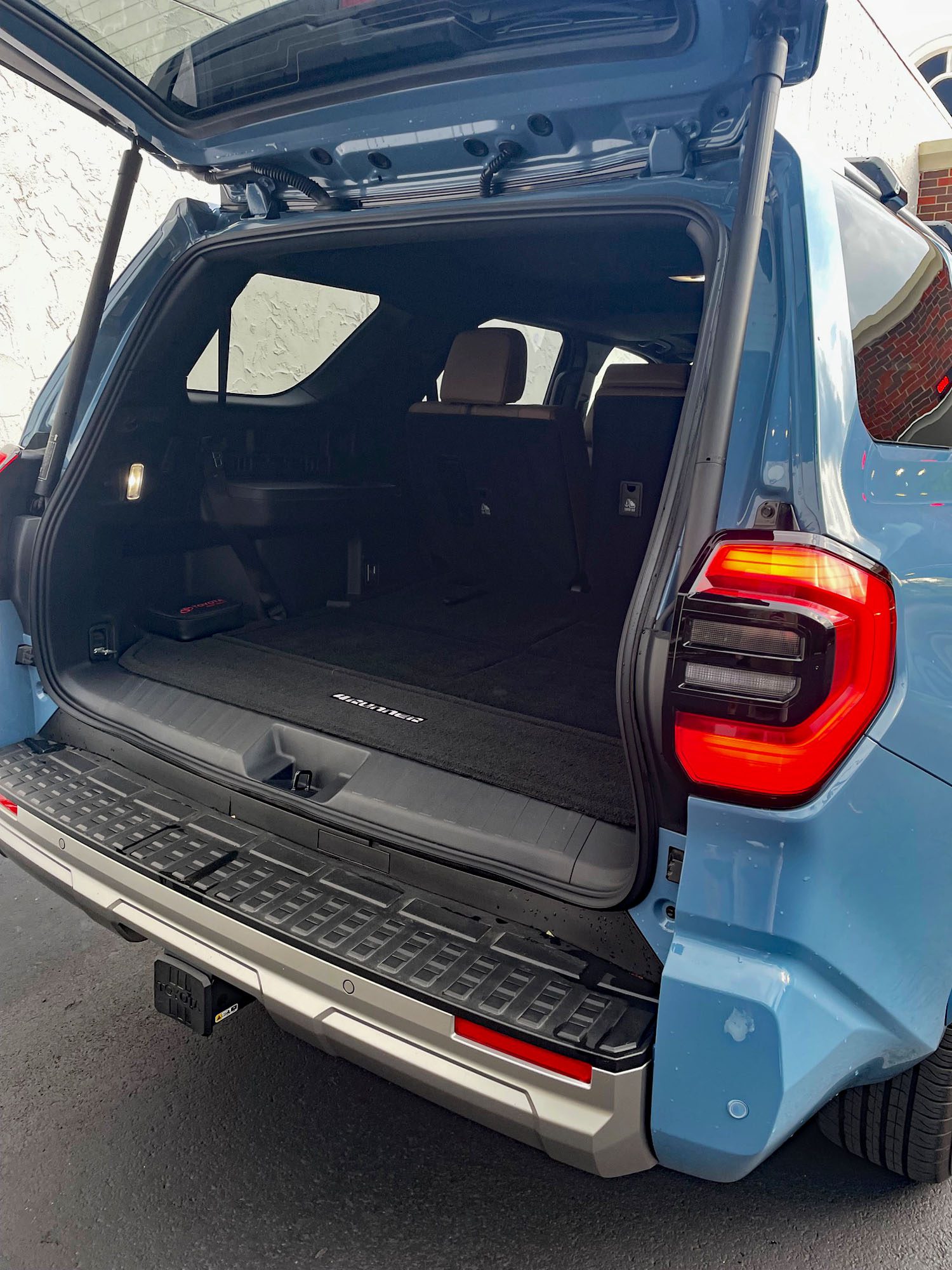
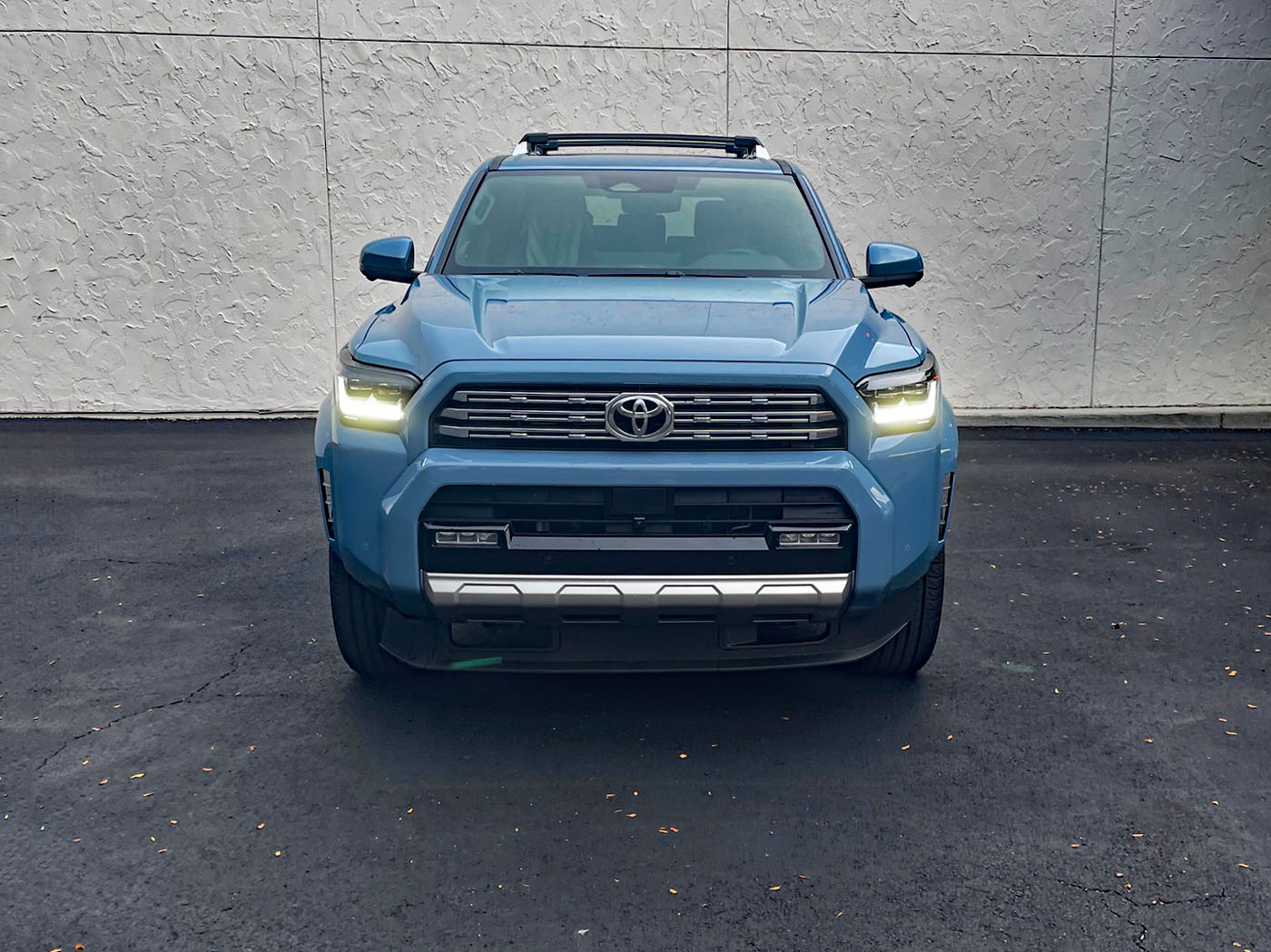
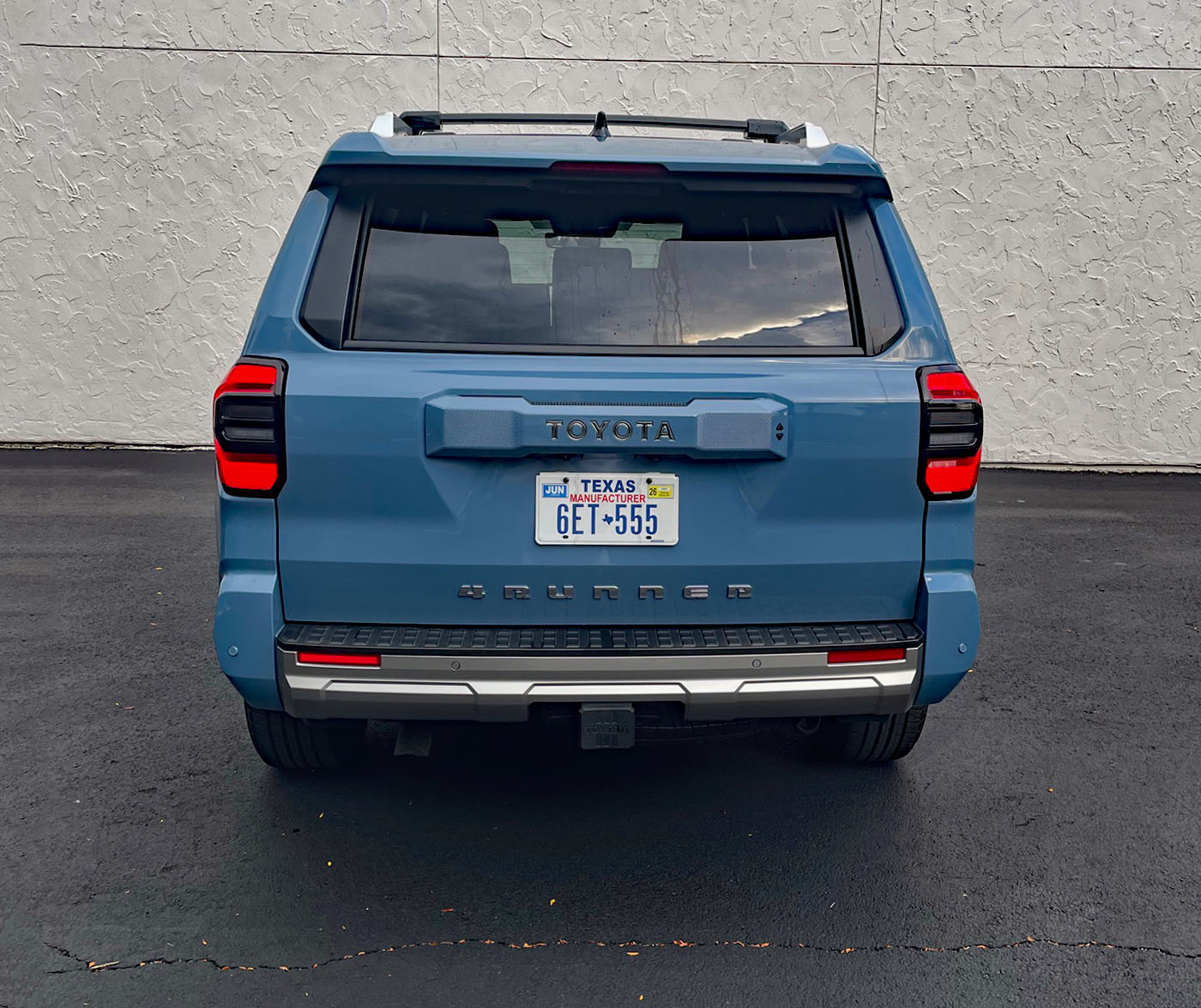
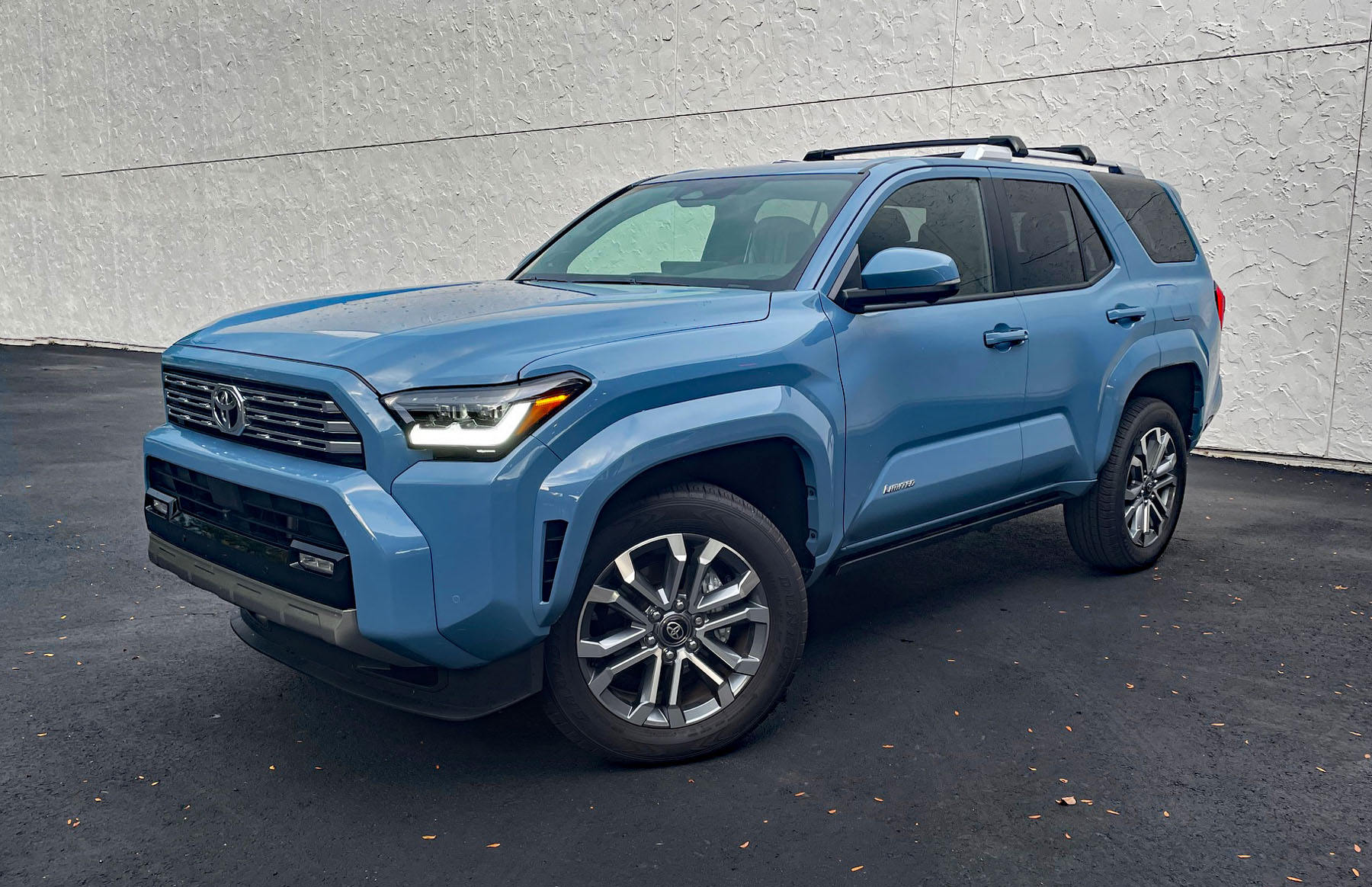
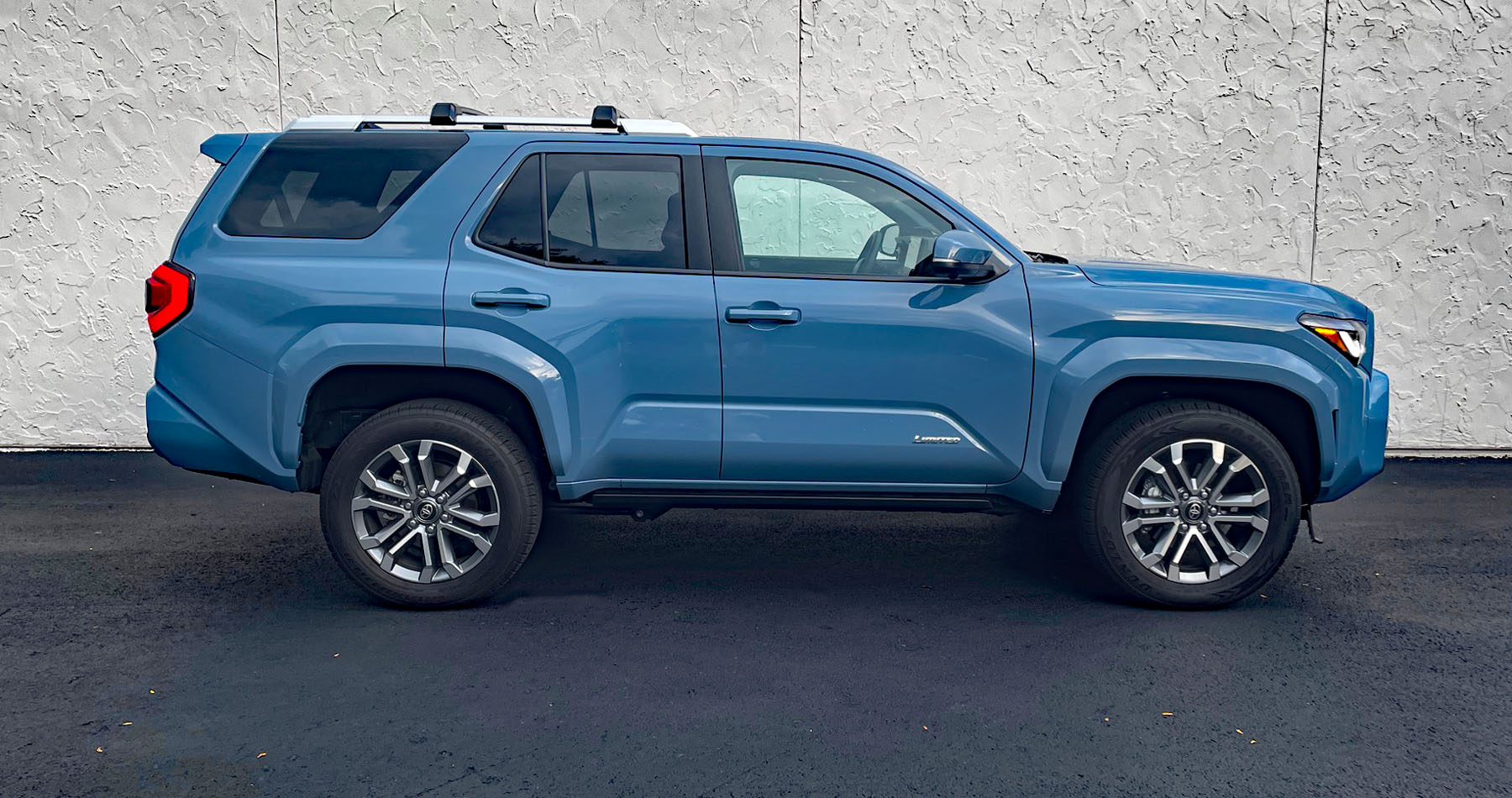
Consumer Guide recently spent a week behind the wheel of a 2025 4Runner Premium featuring a number of significant options (see prices and options above in Specs) in Heritage Blue. All told, our test car came to $62,875. Note: Our tester was equipped with the option 3rd-row seat.
Cabin Appointments
In Limited trim the 4Runner cabin presents well. Perhaps a little shy of luxurious, the interior is nice enough, and is apparently well screwed together. Cabin materials are a little pedestrian, but we appreciate the tidy design, open feeling passenger area, and general simplicity of the design. If you’ve been in the Tacoma pickup truck, the 4Runner cabin will seem very familiar.
Room and comfort
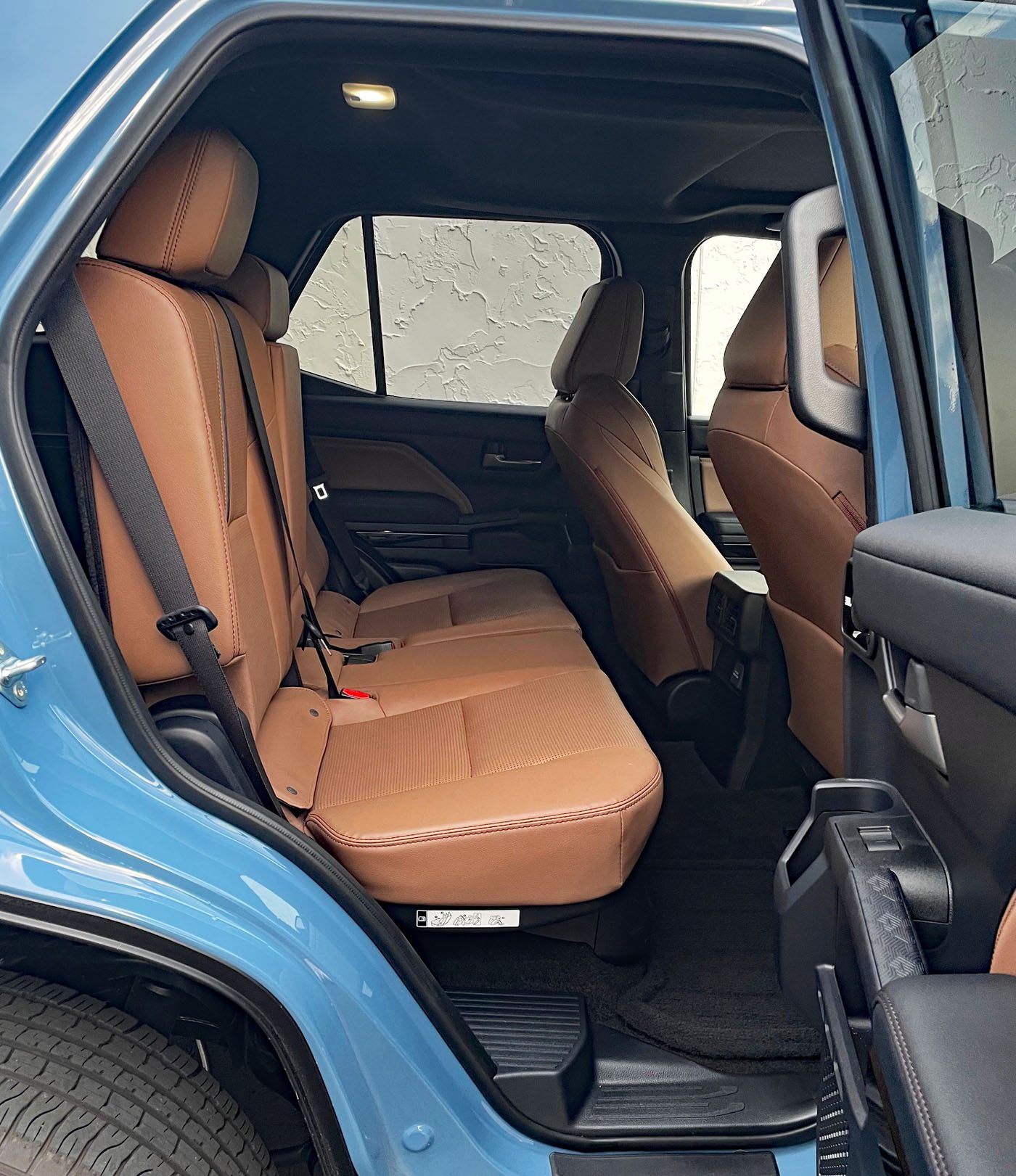
There’s ample front-row space for big adults, and getting into—and out of—the 4Runner is plenty easy. Second-row space is similarly generous, and even taller folk will find all the room they need. The available 3rd-row is less accommodating, but will easily fit younger—and more agile—passengers. Just don’t expect adults to be happy in the last row on longer trips.
Controls and Connectivity
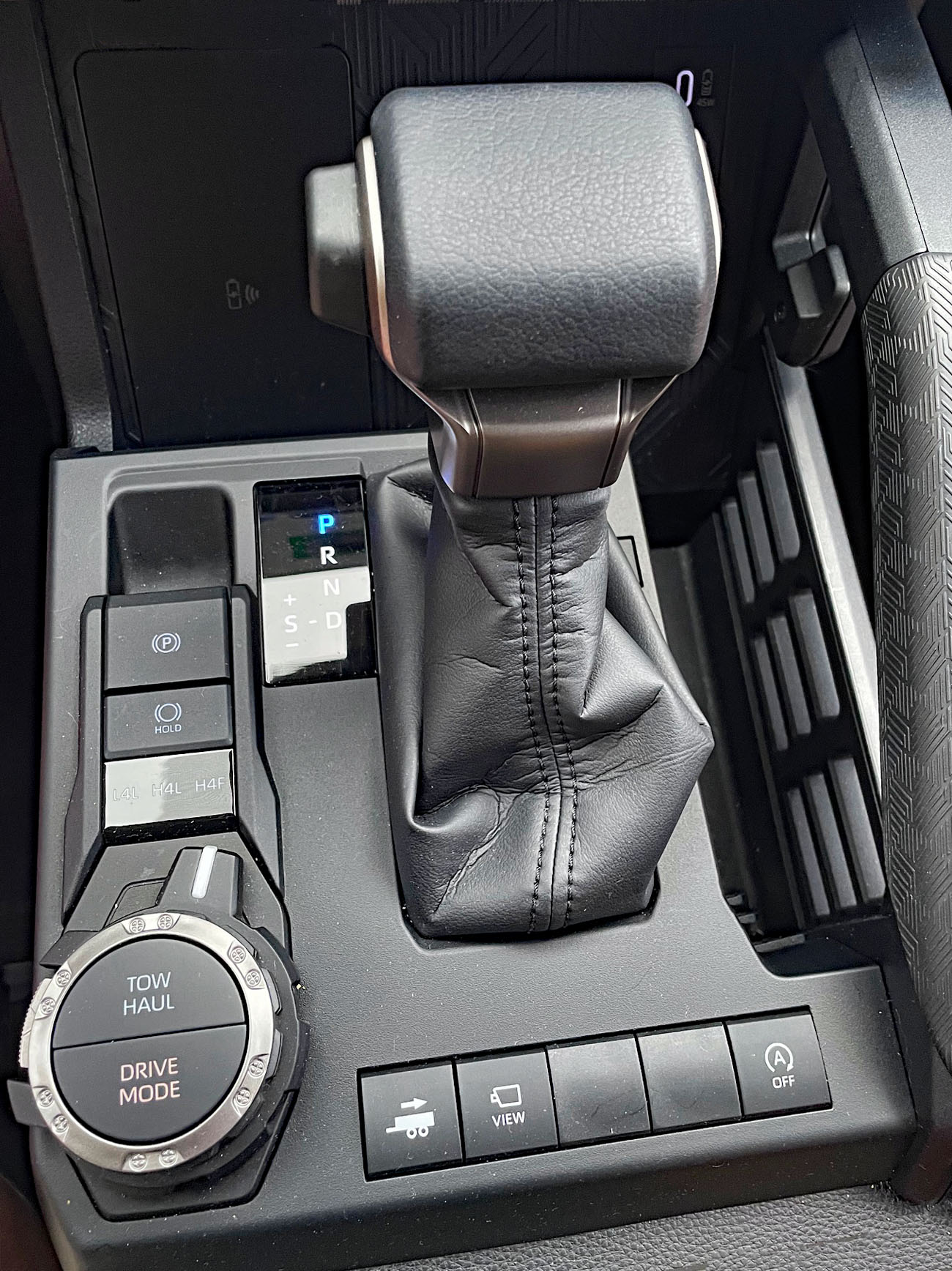
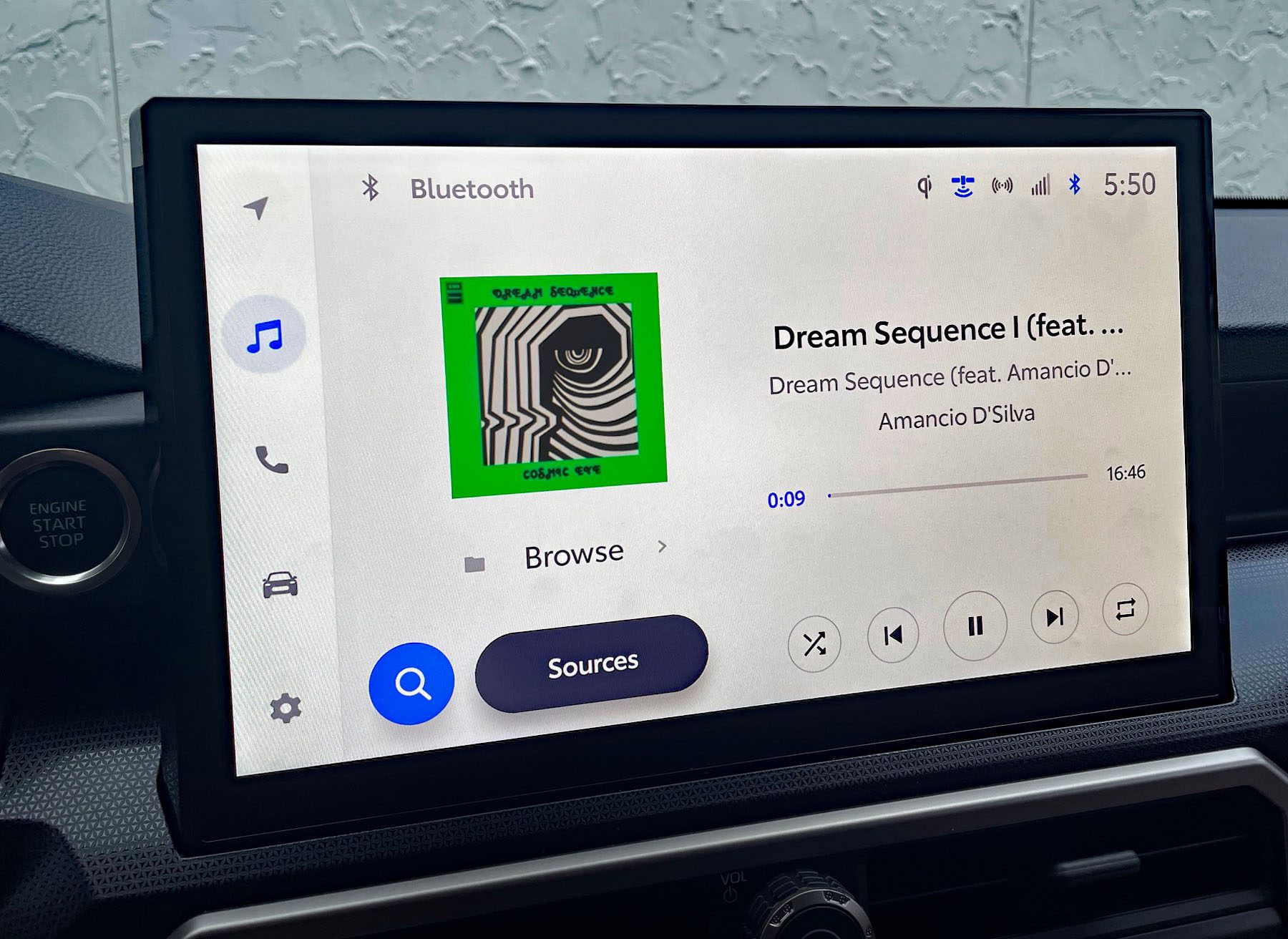
Most in-cabin operations are managed by the 4Runner’s large console touchscreen, and in fine Toyota tradition the system works well as is easy to become accustomed to. Climate functions are handled by a row of real switches located beneath the screen, and audio volume is handled via a real, large knob. Thanks, Toyota. (Volume can also be controlled via the steering wheel.)
Ride and Handling
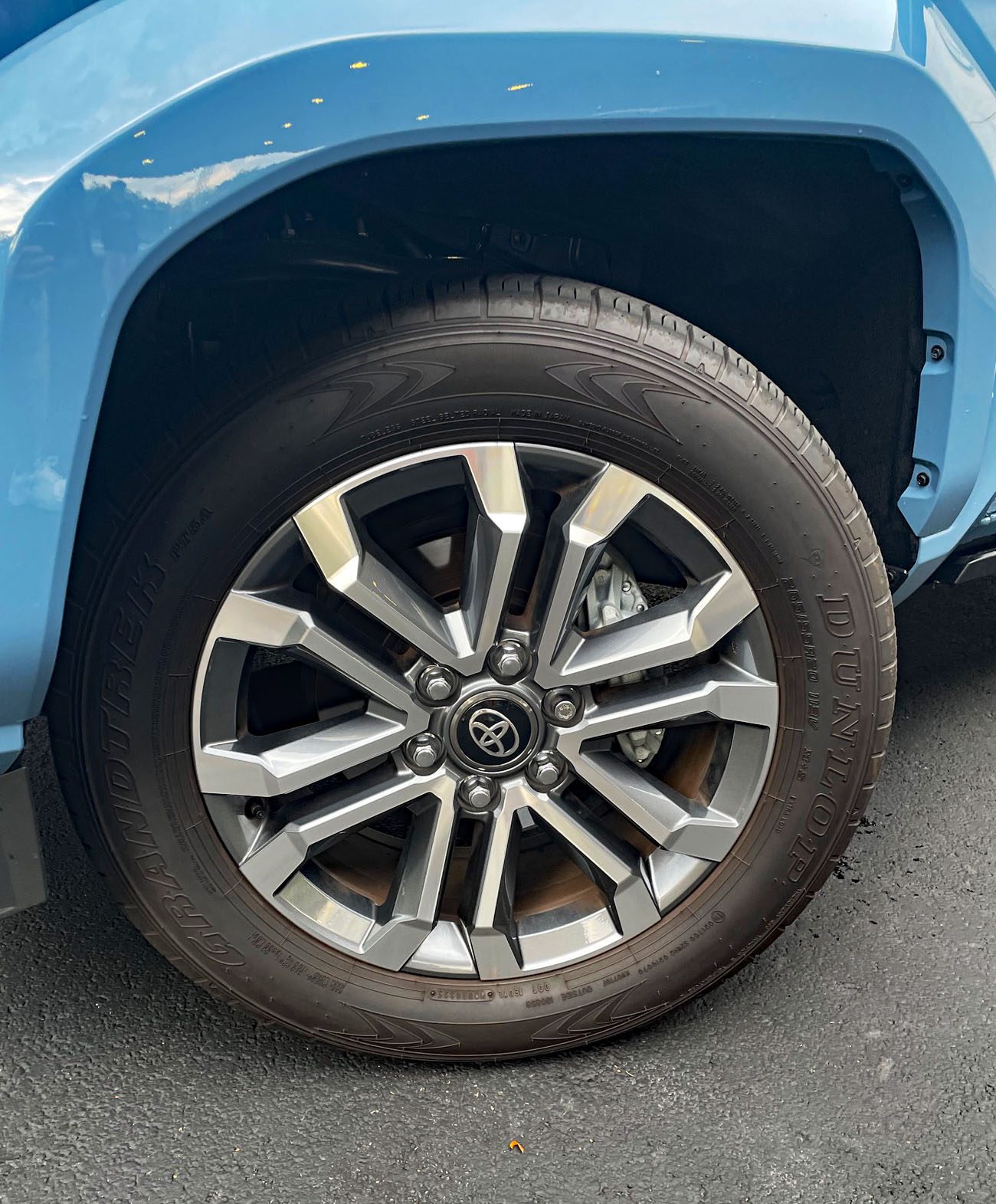
And while the 4Runner is louder and a little more rigid-riding than the Highlander once underway, we appreciate the firmer, more precise steering, and general sense of drive engagement. Likewise, the 4Runner’s turbocharged engine is generally refined, but can be felt and heard more than the powerplants found in the Highlander. That said, we rather enjoy the sporty character of the drivetrain, and don’t consider it in anyway crude or coarse.
Fuel Economy
Over more than 200 miles of testing we averaged 20.5 mpg. This compares to the 18.7 mpg we observed in a test 2025 4Runner Trailhunter with the i-Max engine, and the 17.3 mpg we averaged in a previous-generation 2022 4Runner TRD Sport fitted with the old V6.
Value
Unless you live someplace that suffers from serious snow-sourced access issues, or you’re a doomsday prepper, it probably makes more sense to go with the excellent Highlander instead of the 4Runner. That said, we rather enjoy driving the 4Runner, and find its driving character refreshing. We recommend you test-drive both—no matter which you think you’re considering—and let your seat time be your guide. Honestly, we might go with the 4Runner just because we enjoy the road-feel.
Listen to the Car Stuff Podcast
2025 Toyota 4Runner Limited Pictures
Click below for enlarged images