
Looking to build a limited-production specialty car featuring unique styling and at least decent performance? Why not do what so many folks before you have done, and start with a great vehicle, and modify it to your liking. Automotive history is rich with such efforts. Consider the following:
What was the Leata Cabalero?
Zimmer Quicksilver
This baroque coupe is arguably ridiculous looking, but has interesting roots. Based on the Pontiac Fiero, the Quicksilver boasts a mid-engine design and decent handling. Check out the Zimmer Quicksilver.
Monteverdi Safari
This rugged Swiss-made SUV shares its basic underpinnings with the International Scout. While technologically humble, the Scout was known for its tough character and generally reliable operation. Check out the Monteverdi Safari.
Sterling Bullet
Based on the Dodge 3500 pickup, the Bullet gave short-lived Sterling a medium-duty chassis cab with which to bolster its lineup of commercial and fleet vehicles. If you’re thinking that the Bullet was basically a rebadged Dodge, you’d be right. Check out the Sterling Bullet.
Eldorado Revolution
This rather extreme redesign of the Cadillac Eldorado came to the American public by way of fashion designer Pierre Cardin. Shoppers with the money enjoyed both unique styling and tried-and-true Cadillac underpinnings. Check out the Eldorado Revolution.
Studebaker XUV
Seems someone is always trying to re-animate Studebaker. This effort to bring the storied car brand back to life as a purveyor of SUVs involved ripping off Hummer design and applying it to the chassis of a Ford F-350 pickup truck. Unlike the other vehicles on this list, the XUV never saw production. Check out the Studebaker XUV.
What all of these short-lived specialty vehicles have (had) in common was a solid vehicle on which to begin work. The Fiero, Scout, Ram 3500, Eldorado, F-350—all proven stuff.
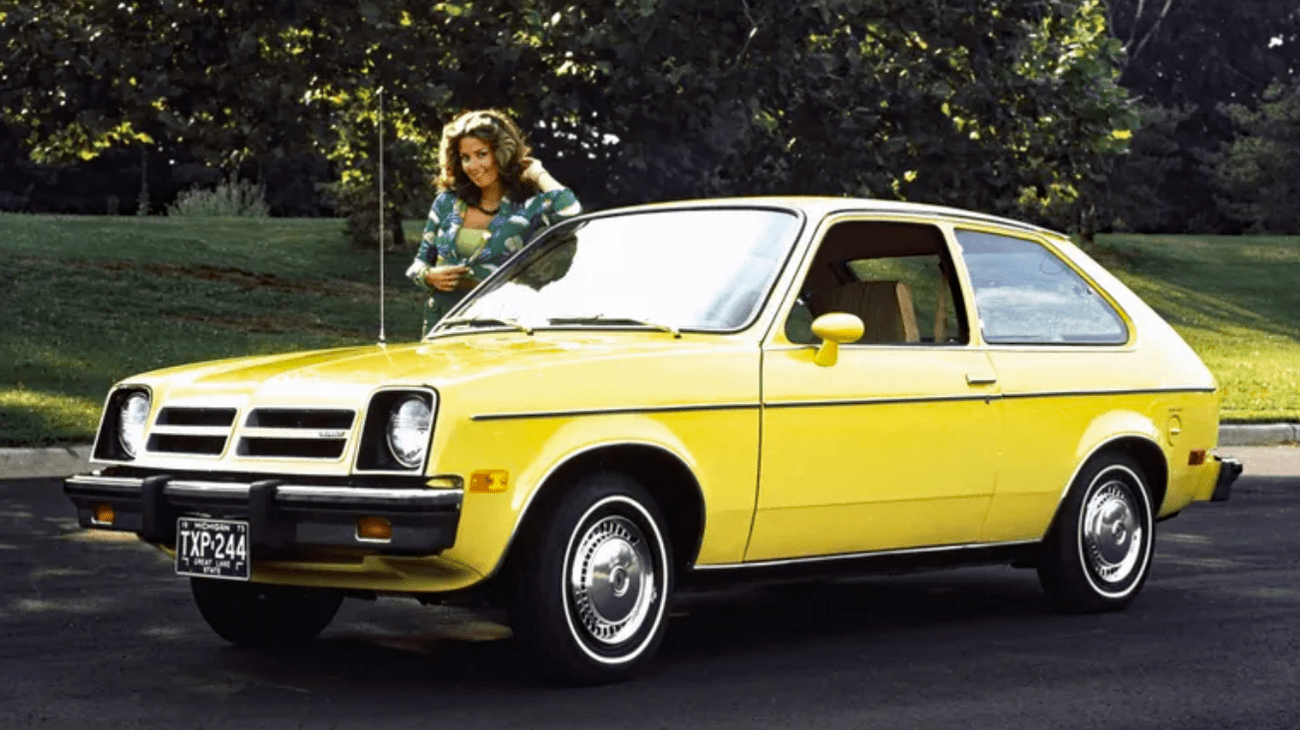
Enter Chevette
So why, you might ask, would an automotive entrepreneur looking to build something special, begin with a car less loved—and less respected—than those “starter cars” listed above?
While we may never know the answer to that question, there was a short-lived hand-built vehicle from the Seventies that was based on one of the humblest vehicles of all time: the Chevrolet Chevette.
Between 1976 and 1987, the Chevette sold in gargantuan numbers. Not because the car was “good,” but because the tiny Chevrolet struck the perfect balance of price and fuel efficiency, and it wasn’t too small for American car shoppers. That said, the Chevette was a strange choice for a company looking to create a custom luxury car.
Leata Cabalero
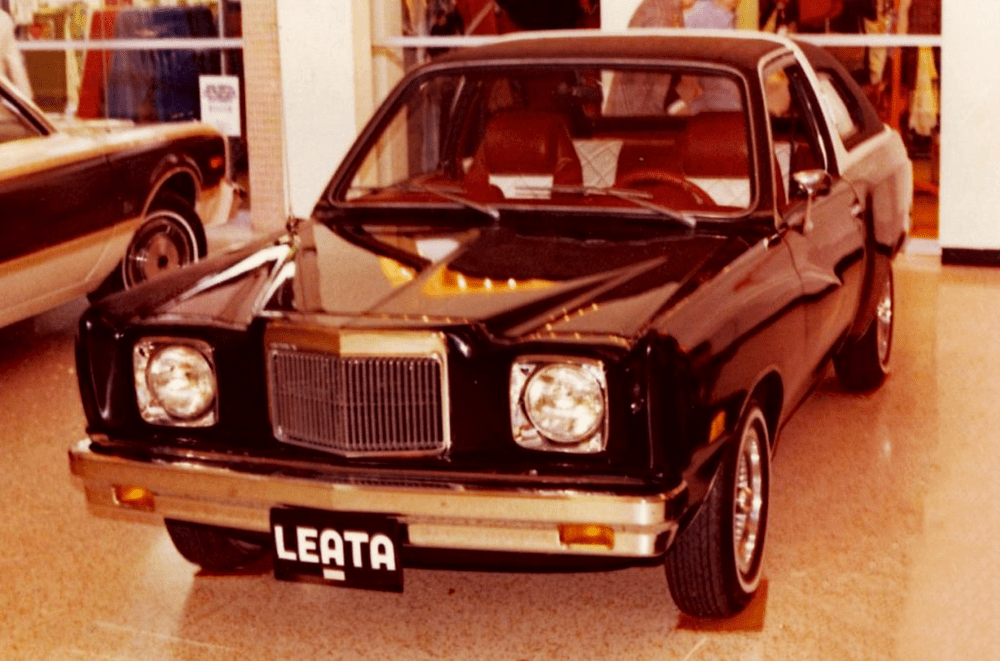
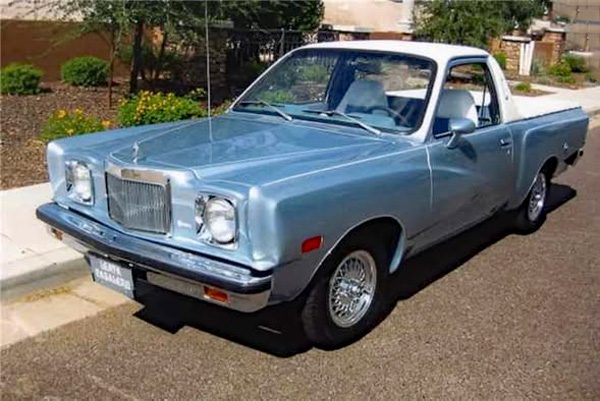
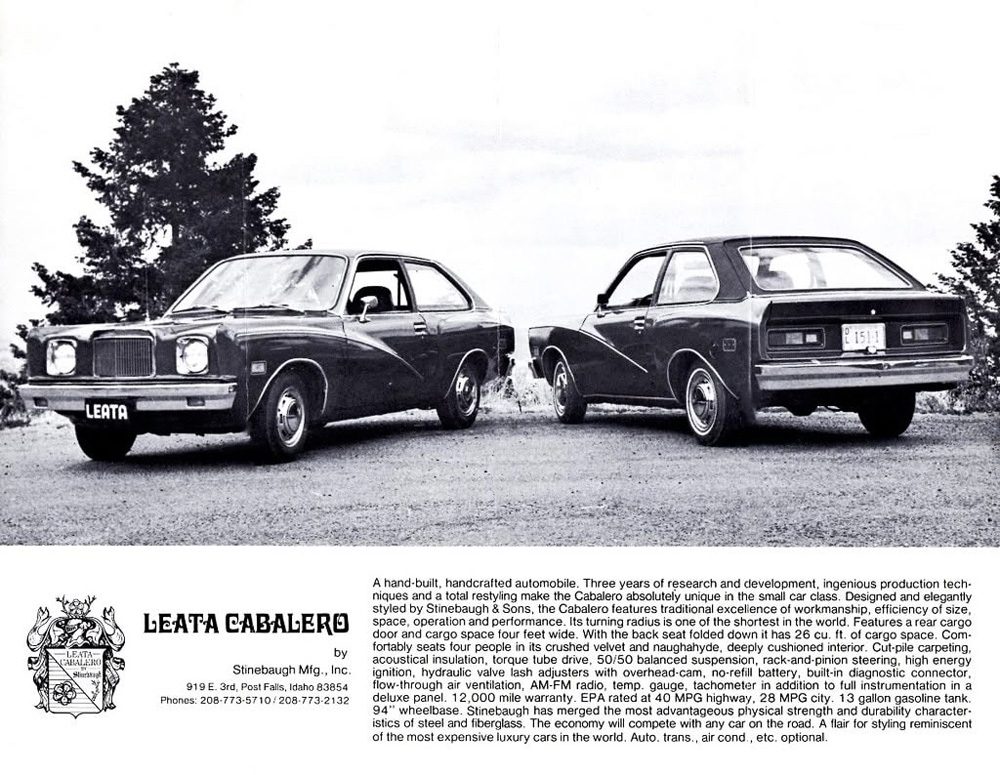
The Leata Cabalero was a short-lived, Chevette conversion produced between 1976–1977 in Post Falls, Idaho.
Created by Stinebaugh Manufacturing Inc., which was founded by Donald E. Stinebaugh, the car was named “Leata” after Stinebaugh’s wife Hilda. Her nickname came from a misunderstanding of the Norwegian word for little (liten).
Modified Chevy
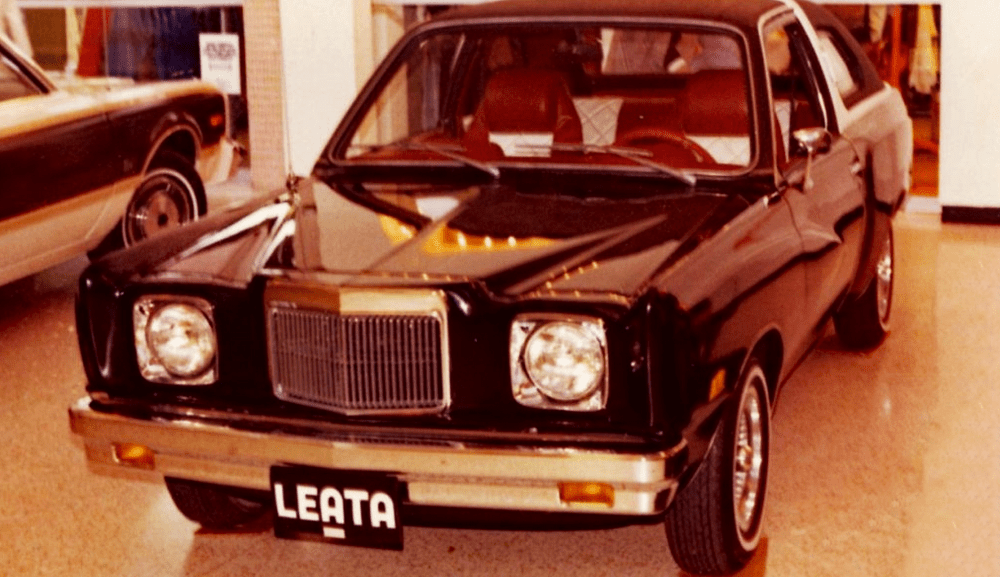
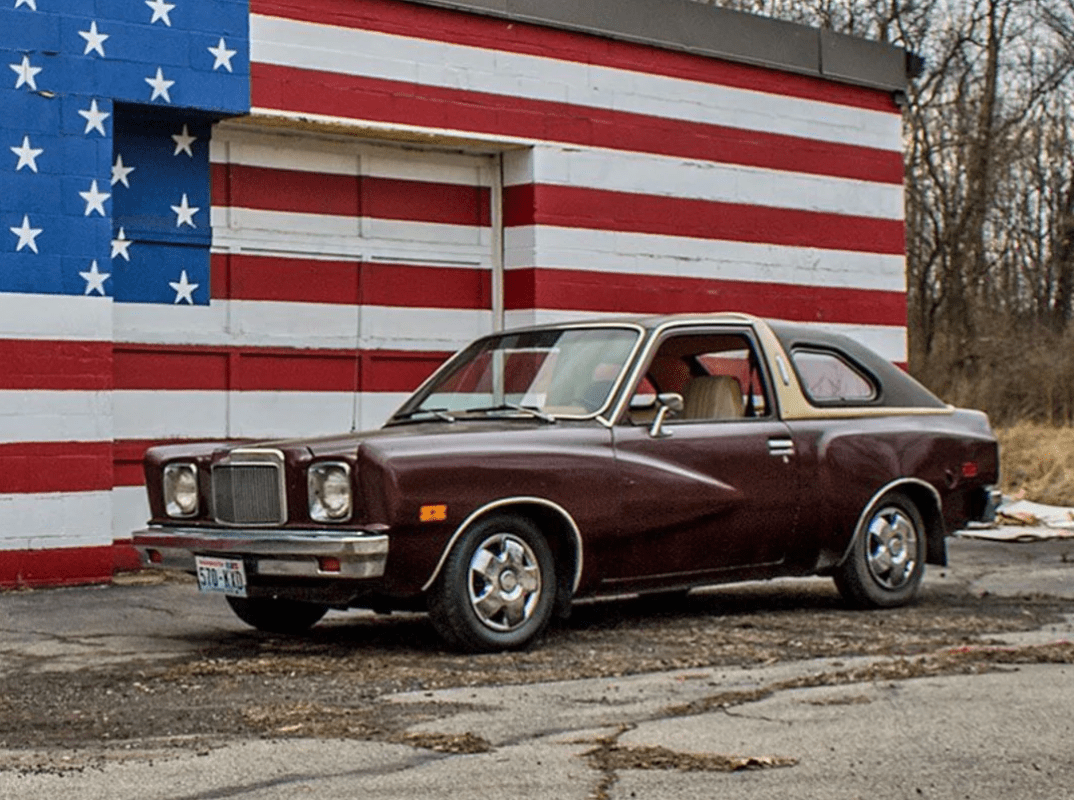
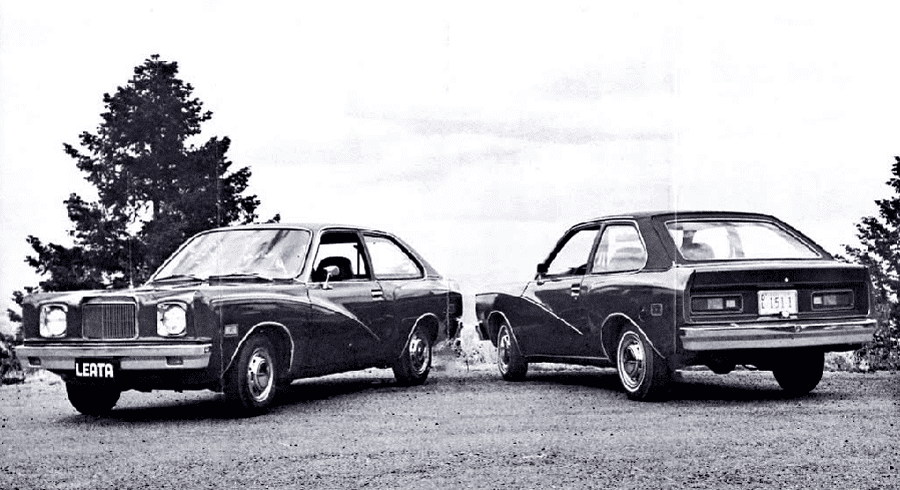
The Cabalero was essentially a heavily modified Chevette with custom fiberglass bodywork, baroque “personal luxury” styling, and a few added features. It was an attempt to turn one of the cheapest, most basic cars of the era into a premium-ish vehicle.
Body Styles
Production included mostly hatchback coupes, but a few pickup trucks were also made, as was one convertible. Though a 4-door Chevette was offered, all Leata conversions were 2-door models.
Engines
Stinebaugh didn’t bother to mess with things under the hood, so all Cabalero conversions were fitted with the Chevette’s underwhelming 1.6-liter pushrod engine, rated at between 50 and 52 horsepower. Like the Chevette, the Leata could be had with either a 3-speed automatic or 4-speed manual transmission.
Features
Most Leata examples were fitted with power windows, power seats, and cruise control. Also note worthy is the crushed velour and naugahyde cabin trim.
Price
At $10,000, the Leata listed for roughly triple the price of a base Chevette, and, perhaps more importantly, almost double the price of a roomy, nicely equipped, V8-powered Pontiac Bonneville.
Production
An estimated 97 units were built before the company folded in late 1977.
Legacy
Only a handful of Leata Cabalero still exist, and they tend to draw attention at local car shows. While too few trade hands for us to gauge the car’s value, we can’t imagine there’s much general collector interest in owning one.
Would the Leata Cabalero had fared better were it based on something less fundamental than the Chevette? Say a Ford Maverick of Audi Fox? We’ll never know, but it’s fun to imagine what a Leata based on the Ford or Audi might have looked like.
Listen to the Car Stuff Podcast
Leata Cabalero Pictures
(Click below for enlarged images)